
Athletes: Get Your Sleep!
By Ethan Hott
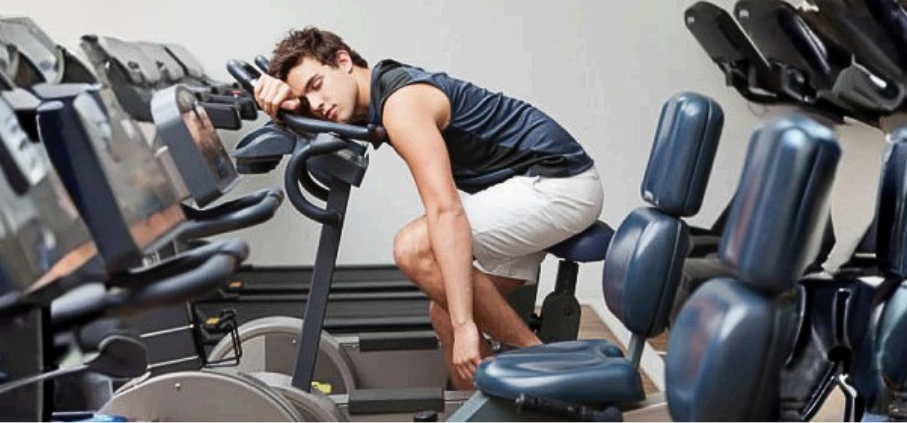
Adequate sleep is essential for daily functioning, overall health, and mental well-being. It is a pillar in lifestyle medicine, and lies at the core of optimal and best practices for all people. In recent years, it has also gained more attention for its essential role in the lives of athletes, including their performance, cognition, and overall health and mental wellness.
Adequate sleep enhances muscle repair, cognitive function, and reaction time. In contrast, sleep deprivation increases the risk of injury, prolongs recovery times, and contradicts an athlete’s desire to gain a competitive edge.
As a result, sleep and the athlete population have become a primary area of focus and play an integral part in modern athlete training programs and competition readiness approaches.
Who’s Saying What?
Both the International Olympic Committee (IOC) and the National Collegiate Athletics Association (NCAA) have chimed in discussing the importance of athletes getting enough sleep. This is what they have to say:
- The IOC has now addressed sleep as a major contributor to athletic performance and athlete mental health. They emphasize that proper sleep is critical for an athlete’s emotional well-being, physical health, and proper functioning. They recommend sleep education, regular screenings for sleep disorders or disturbances, and evidence-based treatments. The IOC emphasizes four key components of healthy sleep:
- SUFFICIENCY: At least 7 hours of sleep for adults
- SLEEP QUALITY: Using good sleep hygiene
- CIRCADIAN ALIGNMENT: Sleep schedules and body rhythms should align
- ABSENCE OF SLEEP DISORDERS: Treat disorders such as insomnia or sleep apnea appropriately
- The NCAA also recognizes sleep health as essential in athletic performance and mental well-being. Because they are the governing body over collegiate sports, they focus on the student-athlete population and cite several barriers to sleep: athletic demands and stressors, intensive training schedules, social commitments, and multifaceted challenges of time management. Similar to the IOC, the NCAA identifies healthy sleep in terms of:
- DURATION: At least 7 hours of sleep for adults
- TIMING: Attention focused on the timing of sleep with the demands of travel and training schedules
- OVERALL QUALITY: Using good sleep hygiene
- ABSENCE OF SLEEP DISORDERS: Absence of disorders such as insomnia and sleep apnea
- FOCUS ON THE CONSEQUENCES OF SLEEP LOSS: Tiredness, fatigue, sleepiness, and how to mitigate them
The IOC and NCAA are only two governing bodies of sports; however, their concern and focus on sleep highlight the increased attention on this critical component of athletic health and wellness. These two organizations continue to emphasize and prioritize sleep as a key factor in sports performance.
The many sources of sleep disturbance and deprivation create lasting impacts for athletes and have far-reaching effects. Let’s look at the role of sleep in four key components of an athlete’s life.
Impact of Sleep on Physical Performance
There is an obvious link between sleep and physical performance, with this correlation being well-documented over the years. Specifically, lack of quality sleep can lead to cardiorespiratory and psychomotor effects in the athlete, resulting in decreased performance.
Sleep deprivation can also create problems with muscle recovery and endurance, reaction time, and coordination, and both aerobic (e.g., running, cycling, swimming) and anaerobic (e.g., weight lifting, basketball, baseball) sports.
Additionally, while sleep deprivation does not directly cause Overtraining Syndrome (OTS), it can significantly increase the risk by leading to impaired glycogen restoration, which impairs muscle regeneration, elevated cortisol levels, and weakened immune function.
Proper sleep, balanced and measured training, and appropriate recovery are essential in preventing overtraining and optimizing physical performance.
Impact of Sleep on Risk of Injury and Recovery
Studies show that athletes sleeping less than 6 hours per night are at a significantly higher risk of injury. Loss of sleep weakens neuromuscular control and increases inflammation, both contributing to higher injury risk. Sleep deprivation, as well, affects the central nervous system of athletes and alters their relationship to pain. A lack of sleep increases activity in the somatosensory cortex, increasing pain intensity. And conversely, the prefrontal cortex becomes less active, which lowers pain tolerance; all of this puts athletes at heightened risk for injury.
Athletes with inadequate sleep are also at higher risk for concussions due to impaired motor coordination, decreased reaction times, and even compromised physical balance. Recovery, as well, is hampered in the sleep-deprived athlete due to impairments in muscle repair, immune function, and hormone regulation. Ensuring high quality and adequate sleep is the most effective way for athletes to ward off injury and potentially longer recovery periods.
Impact of Sleep on Cognitive Performance
Inadequate sleep has been proven to affect athletes’ cognitive performance in several ways. Because lack of sleep impairs attention and the ability to process information quickly, athletes’ decision-making and reaction times are hindered, and executive function skills are compromised. Likewise, sleep is essential for optimal learning of complex movement patterns and memory, both critical to high athletic performance.
Athletes who achieve greater REM sleep also demonstrate better strategic thinking and creativity during competition. Sleep directly influences the formation of new concepts and ideas, which leads to creativity in game play, so sleep deprivation hinders an athlete’s ability to think quickly, clearly, and employ creative problem-solving.
Impact of Sleep on Mental Health
There is an abundance of research supporting the link between poor sleep and increased levels of anxiety, stress, depression, and emotional irregularities. These associations create a vicious feedback loop, wherein sleep deprivation causes higher levels of mental health distress, which in turn causes more sleep deprivation.
Athletes, especially student-athletes, must persistently juggle the demands of academic life, athletic responsibilities, and social obligations, creating a need for balance that is also wholly disrupted by sleep deprivation. Lack of quality sleep, as well, leads to increased difficulty in coping, emotional regulation, and resiliency.
What can an Athlete do to Avoid “Bad” Sleep?
There are many practices and sleep hygiene strategies to help with “bad” sleep:
- Practice good sleep hygiene: Keep the room cool, use blackout curtains, use noise machines to minimize loud environments, avoid screens 60 minutes before sleep, and wear blue-light blocking glasses
- Follow a consistent sleep schedule: Try to stick to a regular sleep/wake cycle even on rest days
- Practice regular pre-sleep routines to induce relaxation: Stretching, yoga, deep breathing exercises, meditation, and reading
- Manage training schedules: Avoid high-intensity training within 3 hours of bedtime
- Regulate nutrition before sleep: Avoid caffeine 6 hours before bedtime (can contribute to insomnia), consume slow-digesting protein, such as Greek yogurt, before bedtime (supports muscles overnight), and avoid high sugar meals before sleep (can cause irregular sleep)
- Introduce napping: Short, strategic naps (20-30 minutes) during the day prevent sleep inertia, no napping after 4 pm
- Manage jet lag: Shift sleep 30-60 minutes per day leading up to travel, stay hydrated, avoid alcohol/caffeine near bedtime
- Focus on stress reduction and mental health: Use meditation, breathing exercises, muscle relaxation, and/or soothing music to calm nerves before bed
- Ask for help: Consult with sleep experts, trainers, doctors, or mental health professionals to develop customized and optimized sleep strategies
Bottom line: SLEEP MATTERS.
Athletes make deep commitments to themselves and their sport, always seeking excellence in mind, body, and spirit. Attention to the quality and quantity of sleep is essential to an athlete’s success; neglecting sleep can undermine even the most rigorous and intentional training and nutrition programs. Sleep matters. Make it count!

