
Articles By Pillar
Read the latest blog posts from lifestyle medicine experts at Stanford University covering health topics across our 7 pillars.
[vc_column width=”1/4″][vc_wp_search][/vc_column][vc_row][vc_column]
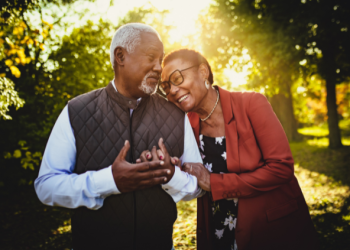
4 Ways to Cultivate Joy in Later Life
By Sharon Brock, MS, MEd There is a persistent cultural script about growing older, one written in the language of loss, limitation, and inevitable decline. We are sold creams to reverse it, diets to slow it, and procedures to mask it. Yet the science of aging tells a more nuanced, and ultimately more hopeful, story. A landmark study found that older adults who held a positive view of aging lived an average of 7.5 years longer and in better physical and...
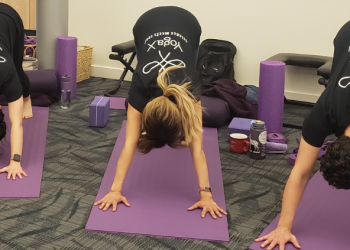
Stanford Psychiatry’s YogaX Program Brings Yoga into Healthcare
By Sharon Brock, MS, MEd When most people think of yoga, they picture flexible bodies contorting into intricate poses at a local yoga studio. However, thanks to Dr. Laura Roberts who brought YogaX into her department, Stanford Psychiatry’s YogaX program is expanding that stereotype by offering yoga teacher and therapy trainings, all focusing on bringing therapeutic yoga into healthcare. YogaX trainings highlight not simply the physical postures of yoga, but serve as comprehensive lifestyle medicine practices grounded in ancient wisdom...
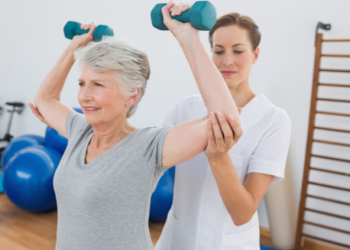
Strength and Power: Why Both Are Important for Women in Midlife and Beyond
By Anya Higashionna BS and Sharon Brock, MS, MEd If you think weightlifting is only for bodybuilders or gym rats, think again. A 2026 study found that women aged 63 to 99 with higher muscular strength had a lower mortality risk, concluding that strength training may be the most important exercise for women in terms of longevity. This study is notable because the researchers were able to isolate the impact of strength alone on longevity, separate from all other types...
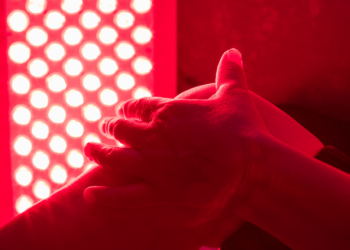
Weighted Vests, Vibration Plates, Red Light Therapy—Are They Worth The Hype?
By Erin Pettygrove, RDN and Sharon Brock, MS, MEd Fitness trends move fast—one week it’s weighted vests on your morning walk, the next it’s vibration plates or red light therapy promising better metabolism, stronger muscles, and faster recovery. Many are looking for efficient, at-home tools to improve strength, metabolism, and recovery without adding hours to their routine (or losing dollars from their wallets). The right tools can support your fitness goals, but the wrong ones can lead to frustration, wasted...

Why Adding “Play” to Workouts Increases Longevity
By Sophia Fay, BS and Sharon Brock, MS, MEd We may think that play is only for kids, but according to the National Institute for Play, it is a biological need across the entire lifespan. Additionally, play is not an activity, but rather a “state of being.” Some key characteristics of being in a play state are engaging in an activity to the point of losing track of time, freely choosing the activity, and enjoying it for its own sake. Research...