
The Best Medicine for Postmenopausal Health
By Jimena Gutierrez
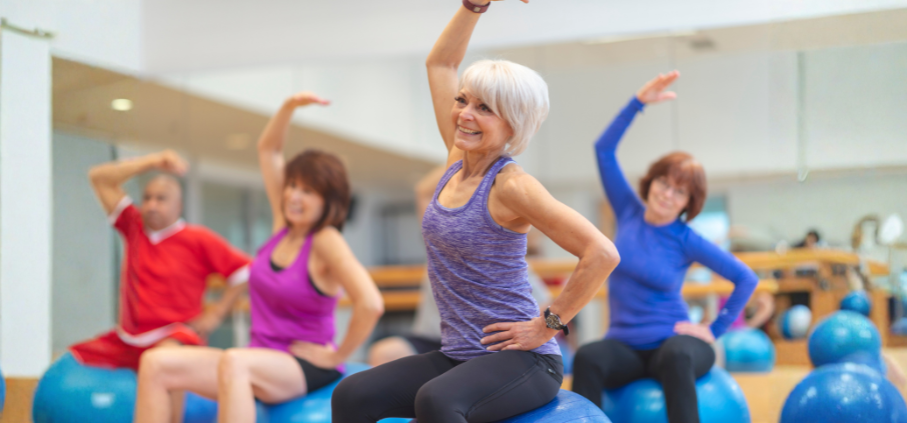
When women reach menopause, they experience a lot of changes, including slower metabolism, an increase in belly fat, weaker bones, and an increased risk of diseases like osteoporosis. While these changes seem unavoidable, there is one method of avoiding these symptoms that science undeniably supports: exercise.
“Exercising beyond menopause is the only noncontroversial and beneficial aspect of lifestyle modification and must be opted by all,” states Nalini Mishra, MD in her review on postmenopausal health.
But why is exercise so important, specifically for postmenopausal women? Which types of exercise have the best benefits? Let’s find out.
Why Exercise is Essential After Menopause
Menopause means the end of estrogen production. Although menopause is completely normal and natural, it comes with a bunch of physiological changes that greatly impact overall health. One very significant concern is the decrease in muscle and bone mass that many women experience. A lack of estrogen and progesterone causes muscle tissue mass to be reduced and bones to become weaker, which means there is a greater chance of having osteoporosis. Additionally, your metabolism decreases and makes you more susceptible to gaining weight. Multiple studies have shown that high levels of visceral fat can also increase your risk of metabolic syndrome and cardiovascular disease as a whole.
In addition to the impacts that it has on your physical health, menopause can have a very strong impact on your emotional state. Fluctuations in hormone levels have been shown to contribute to large mood swings and create anxiety and depression. Women have even reported constant feelings of brain fog and memory issues. Research shows that regular exercise can actually help improve your mood and stress levels, and improve sleep quality.
Another benefit of exercise is reducing the increased risk of chronic diseases that naturally come with aging. For example, improving your strength helps you maintain your bone density, and doing cardio exercise helps you maintain a strong heart. You can also do more passive exercises like yoga to improve your balance and flexibility. Staying active when you are older is not simply about looking good and feeling “in shape,” it’s about preserving your strength and increasing quality of life.
The Best Types of Exercise for Postmenopausal Women
The most effective blend of exercises for postmenopausal women is strength training, cardio activity, flexibility exercises, and working on balance. Combined, these exercises help maintain overall health and also help you build up muscle and increase your balance to be more able-bodied and protect yourself from accidents and falls.
Strength/Weight Training: The Key to Strong Muscles and Bones Lifting weights is a very effective way for postmenopausal women to maintain muscle mass and bone strength. Resistance training has been scientifically shown to reduce osteoporosis by increasing bone density, keeping metabolism high, and reducing fat buildup. Squats, lunges, leg presses, and upper body exercises like shoulder presses and lat pulldowns are strong fundamental exercises. Strength training is recommended to be performed at least two to three times per week, focusing on the major muscle groups.
Weight-Bearing Aerobic Exercises: Cardio for Bone and Heart Health Exercises that involve impact help stimulate bone growth and improve the health of your heart. Walking at a quick pace, hiking, climbing stairs, and even dancing are good exercises to increase cardiovascular health. Consistent cardio activities can also help regulate your blood sugar levels. The CDC recommends at least 150 minutes of moderate-intensity aerobic exercise per week for adults.
High Intensity Interval Training (HIIT) Workouts: A Fat-Burning Powerhouse For women looking to maximize their fat loss and improve their metabolic health, HIIT workouts can be extremely effective. Short durations of very high-intensity activity, like fast walking or running intervals, can help burn calories efficiently and also improve insulin sensitivity. Research shows that even one or two HIIT sessions per week can significantly benefit postmenopausal women.
Yoga, Pilates, and Tai Chi: The Secret to Flexibility and Balance Yoga, pilates, and tai chi can help you improve your overall posture, balance, and mobility. These exercises are all important for preventing falls, which is a major concern for women at risk of osteoporosis. Also, yoga and tai chi have been shown to decrease stress, improve sleep, and generally improve your mental health. Practicing one of these types of exercise 2-3 times per week can therefore provide both physical and mental benefits.
What to Avoid: Exercises That May Do More Harm Than Good
While movement is very important, certain exercises are not good for all postmenopausal women, especially those with pre-existing conditions, including osteoporosis or joint issues.
“Exercises for women with osteoporosis should not include high-impact aerobics or activities in which a fall is likely,” says Mishra, MD. Some exercises could cause more harm than good for women with a higher risk of fractures.
Exercises that require you to bend forward a substantial amount, like deep toe touches or ab crunches, can put a lot of strain on your spine. It’s also very important to consider the impact of doing exercises on slippery surfaces or in environments where it is easier to slip and fall. Above all, you must always listen to your body.`
Getting Started: The 3-Step Plan
Step 1: Pick an activity you enjoy. Love the outdoors? Try walking or hiking. Prefer a group setting? Join a yoga or strength class. The key to consistency is finding exercise and movement that feels good to you.
Step 2: Start small with goals that you can actually accomplish. If you’re new to exercise, start with 10-15 minutes a day and gradually increase intensity. Consistency is better than perfection!
Step 3: Mix it up and keep it interesting! Combine strength, cardio, balance, and flexibility for a well-rounded approach that keeps things fresh and engaging.
The Bottom Line: Movement is Medicine
Menopause will bring new challenges, but exercise is one of the most effective tools for maintaining health. Whether it’s strength training, walking, yoga, or a mix of all three, movement has the power to preserve your muscles, protect your bones, and keep your heart strong. Beyond physical benefits, exercise is also one of the best ways to boost energy, improve mood, and enhance overall quality of life.
So what are you waiting for? Grab a pair of sneakers, use some hand weights, or roll out your yoga mat. Your body will thank you for it!

