
Stanford Cardiologist, Dr. David Maron, Shares Research on Cardiovascular Disease Prevention
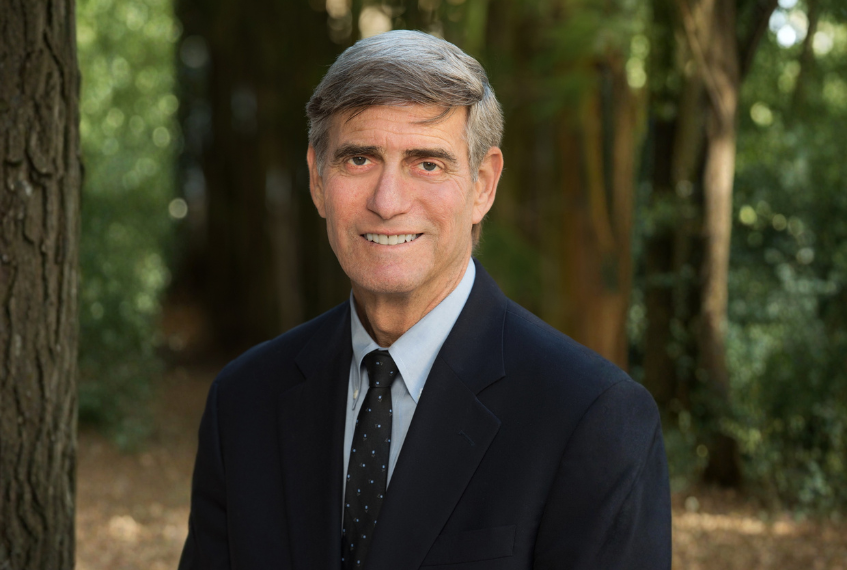
Cardiovascular disease is the leading cause of death in the U.S., and Stanford cardiologist David Maron, MD is on the front lines of prevention research as the Chief of the Stanford Prevention Research Center (SPRC).
Dr. Maron received his undergraduate degree from Stanford in Human Biology and his medical degree from USC. He trained in internal medicine at UCLA and then returned to Stanford as a Robert Wood Johnson Clinical Scholar where he was trained in preventive cardiology research at SPRC. He stayed at Stanford for cardiology fellowship training. After a brief stint in private practice, in 1993 he joined the faculty at Vanderbilt University School of Medicine as Director of Preventive Cardiology. In 2014, he returned to Stanford as a clinician and researcher.
“At SPRC it’s a privilege to work with brilliant scientists working in the field of prevention,” says Dr. Maron. “My mentor was the founder of SPRC, Jack Farquhar, so I feel honored to be the chief of the division he built. It’s a lot of responsibility to carry on his work and the traditions he created.”
Prevention is Key
Dr. Maron became interested in heart disease prevention when he realized that most of his predecessors died from heart attacks, many at an early age, and learned that heart attacks are largely preventable. He started to read about nutrition and stopped eating meat when he started medical school. He translated his personal interest in a healthy lifestyle into a professional interest. He chose to dedicate his career to becoming a cardiovascular physician and researching prevention strategies.
“It’s such a shame that people die or become disabled unnecessarily,” says Dr. Maron. “We can’t prevent all heart attacks and strokes, but so many of these events can be prevented. After decades of doing this work, I’m still passionate, idealistic, and think it’s the right thing to devote my career to.”
As a preventive cardiologist he asks patients to complete a lifestyle questionnaire before he sees them in clinic. He tailors his lifestyle recommendations according to their responses. He admits that helping patients make lifestyle change is challenging.
“It’s harder for patients to follow lifestyle advice than take a medication—particularly when it comes to changing diet and losing weight,” says Dr. Maron. “It has been amazing to see the weight loss and associated changes that patients have had to GLP-1 drugs. I’m a big proponent of these drugs, especially for those with atherosclerosis who aren’t able to lose weight with lifestyle change only.”
Dr. Maron spends 20 percent of his time seeing patients at the Stanford Preventive Cardiology Clinic. The rest of his time is spent conducting research on the prevention of coronary artery disease. His research is divided into two areas: First, how to best treat people who have not had a heart disease diagnosis but are at risk (primary prevention). Second, how to prevent heart attacks in people with established coronary artery disease (secondary prevention).
“We pretty much have known for decades how to prevent heart attacks, but it’s hard to motivate patients to change their diets, exercise more, and take medications when appropriate,” says Dr. Maron. “However, after we do a CT scan and I show patients images of calcified plaque in their coronary arteries, they often have a wakeup call and start improving their health behaviors and taking their medications to control the problem.”
Research Milestones
From 1984-1986, Dr. Maron was a research fellow at SPRC and was part of the research team for the Stanford Coronary Risk Intervention Project. This was a foundational experience early in his career that shaped all the research that followed. The main results were published in Circulation in 1994, showing that intensive medical therapy slows progression of coronary artery plaque formation.
From 1997-2007, Dr. Maron served as the chairman of the Optimal Medical Therapy Committee for the landmark COURAGE (Clinical Outcomes Utilizing Revascularization and Aggressive Drug Evaluation) trial, a landmark trial that showed that adding stents to good medical therapy did not reduce the risk of heart attacks and death in patients with stable coronary artery disease. This had a major impact on guidelines for how patients with heart disease are treated. The main results were published in the New England Journal of Medicine in 2007.
From 2012-present he has been co-chair of the ISCHEMIA (International Study of Comparative Health Effectiveness with Medical and Invasive Approaches) trial and its long-term follow-up. This trial compared the effectiveness of an initial invasive management strategy (cardiac catheterization followed by stent or bypass surgery plus guideline-directed medical therapy) with an initial conservative strategy (guideline-directed medical therapy only) among more than 5,000 patients with stable coronary disease and abnormal stress tests. The conservative strategy was not significantly different from the invasive strategy in the occurrence of cardiovascular death or heart attacks. The main results were published in the New England Journal of Medicine in 2020.
Both COURAGE and ISCHEMIA trials have had major impacts on the management of coronary disease worldwide, emphasizing the importance of lifestyle and appropriate medications to prevent heart attacks and death.
Currently, Dr. Maron’s research focuses on the early detection of coronary disease in people without symptoms. One set of studies uses an AI algorithm to detect the presence and quantitate the amount of calcified plaque in coronary arteries from a chest CT scan done for reasons other than to assess heart disease risk. This is called “opportunistic screening” and his research group has found that notifying patients and their doctors about the presence of calcium, including images of the calcified plaque, is a powerful way to motivate preventive actions.
Another investigation involves using noninvasive coronary CT angiograms to inform treatment plans for patients who don’t have a diagnosis but are at risk for heart disease. With these projects, he hopes to transform the way prevention is practiced. Instead of assessing risk on the basis of risk factors, he envisions a world where risk is assessed with images of silent plaque, and those images motivate patients to take action to prevent heart attacks.
“I’m very excited about these projects that offer CT screening to people who don’t have a diagnosis, but have risk factors, because there is so much opportunity,” says Dr. Maron. “There are millions of people around the world with silent coronary disease, meaning they look and feel healthy, but their coronary arteries have plaques building up, leading to the potential of an unexpected heart attack. With mass image screening, we could identify people who have silent disease and motivate them to make lifestyle changes and take evidence-based medications to control risk factors.”
Coming Full Circle
From his undergraduate education at Stanford to his career-defining fellowship in cardiology research and clinical cardiology training to his current post as Chief of SPRC, Dr. Maron is proud to have spent most of his education and career at Stanford.
“I have deep emotional ties to this place; I work with people that I’ve known since I was an undergraduate,” says Dr. Maron. “I love the collaborative spirit at Stanford—having access to experts in every field of medicine and being surrounded by people who are willing to think about big ideas. There are not only great minds at Stanford, but there is also great technology. What’s not to like?”

