
Why Athletes Need to Stop Treating Food Like the Enemy
By Chloe Johansson Hoffman
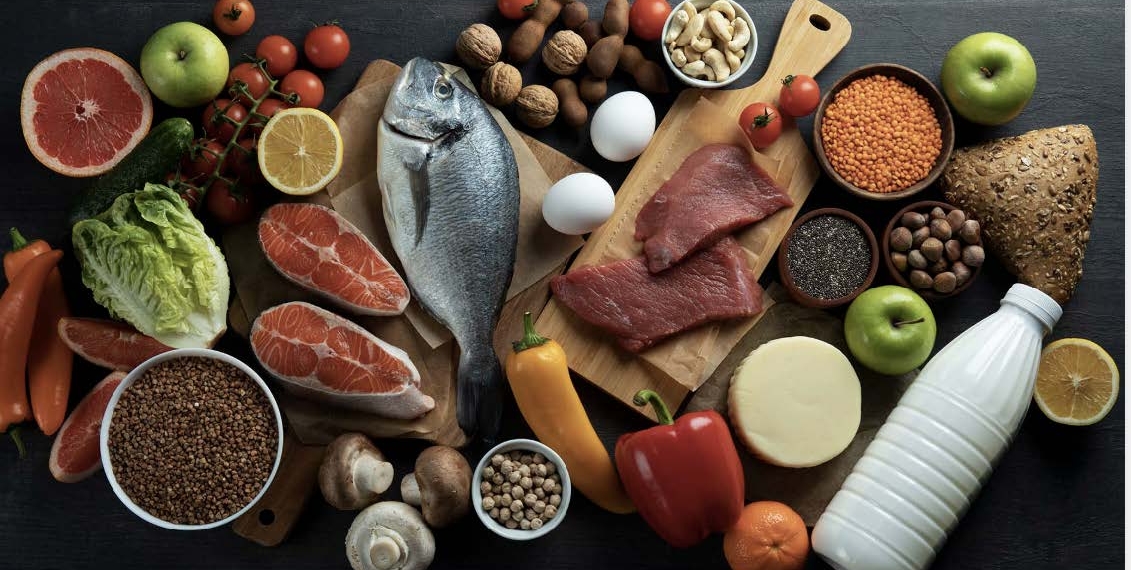
A lot of nutrition advice in popular culture is built around the idea that eating less is automatically healthier. Smaller portions, cutting carbs, skipping meals, “earning” food through exercise, and always trying to stay lean are often framed as discipline. That mindset can be harmful for anyone, but it is especially dangerous for athletes. Athletes are not sedentary people. They are asking more from their bodies every day, which means they need more fuel, not less. In sports nutrition, the goal is not simply to avoid unhealthy food. The goal is to eat enough, and eat well enough, to support training, recovery, health, and performance. Well-chosen nutrition strategies improve both performance and recovery, and inadequate energy intake can impair those outcomes.
Healthy Athlete Nutrition Starts With Eating Enough
One of the biggest misconceptions in sports nutrition is that being a “healthy eater” means always trying to reduce intake. For an athlete, under-eating can quietly become a performance problem. If training
volume is high but food intake stays too low, the body does not have enough energy to support workouts, muscle repair, hormone function, and basic physiological processes at the same time. The International Olympic Committee describes this problem as low energy availability, which sits at the center of Relative Energy Deficiency in Sport, or REDs. REDs can affect both female and male athletes and are linked to negative health and performance consequences when energy intake is too low relative to training demands.
This is why athletes cannot just eat like the average person. A non-athlete may be able to function reasonably well on a modest intake because their daily physical demands are lower. An athlete who is lifting, practicing, conditioning, competing, and walking around campus all day is operating on a completely different energy budget. If that athlete is trying to train hard while eating like someone who is mostly sedentary, the body eventually starts paying the price.
Under-Fueling Does Not Make You Better
A lot of athletes think eating less will make them lighter, quicker, or more fit. Sometimes there is also social pressure to look a certain way, especially in sports environments where body image gets tied too closely to performance. But under-fueling is not a shortcut to athletic success. In fact, chronic energy deficiency is associated with fatigue, reduced performance, and greater health risks. Research and expert guidance consistently point to the same basic message: athletes need enough total energy and enough carbohydrate, protein, and fat to support what they are asking their bodies to do.
This is where a lot of athletes get confused. They may be eating “clean,” but not eating enough. They may prioritize protein, but not total calories. They may avoid carbs because of diet culture, even though carbohydrate is one of the body’s main fuels for higher-intensity training. The issue is often not a total lack of nutritional awareness. It is that many athletes have absorbed nutrition advice meant for weight loss, not performance.
Why This Can Be an Even Bigger Issue for Girls and Women in Sport
This issue can be especially serious for girls and women athletes. Female athletes often face stronger pressure to be thin, eat lightly, or equate discipline with restriction. That can make under-fueling look normal, or even admirable, when it is actually harming both health and performance. The Female Athlete Triad describes a linked set of problems involving low energy availability, menstrual disturbances, and poor bone health. The broader REDs framework also recognizes that low energy availability can have wide-ranging consequences across body systems.
One important point is that losing a regular menstrual cycle is not a sign that training is “working.” It can be a warning sign that the body does not have enough energy available to support normal function. Low energy availability in female athletes is associated with menstrual irregularities and impaired bone health, which matters not only for long-term health but also for injury risk and athletic longevity.
That is why conversations around female athlete nutrition need to move away from appearance and toward function. The question should not be, “How little can I eat and still get by?” It should be, “Am I fueling enough to train well, recover well, stay healthy, and compete at my highest level?” That shift in mindset is huge.
Fueling Is About Performance, Not Just Health
Athlete nutrition should be thought of as performance support. Food helps power training sessions, replenish glycogen after exercise, repair muscle tissue, support immune function, and maintain hormonal balance. It also affects how an athlete feels day to day. Poor fueling can show up as low energy, brain fog, slower recovery, irritability, plateaued performance, more frequent illness, or increased injury risk. Good fueling is not just about avoiding deficiency. It is about putting the body in a position to adapt to training.
This also means athletes should stop demonizing carbohydrates. Carbs are often the first thing people cut when they want to “eat healthier,” but for many athletes, that is exactly the wrong move. Carbohydrates are especially important for prolonged and higher-intensity exercise, and sports nutrition guidance continues to place them at the center of fueling and recovery strategies. Protein matters too, especially for repair and adaptation, but athletes do not build strength and recover well on protein alone. They need enough total food.
What Healthy Athlete Nutrition Actually Looks Like
Healthy athlete nutrition is not glamorous. It usually looks like eating regular meals, not skipping breakfast, having carbs before and after training, getting enough protein throughout the day, staying hydrated, and not being afraid of snacks when training load is high. It means building meals that actually fuel activity instead of treating hunger like a weakness. It also means recognizing that needs change. A hard practice day, lift day, or competition day should not be fueled the same way as a full rest day. Sports nutrition recommendations emphasize that intake should be matched to the athlete’s training demands, recovery needs, and performance goals.
For a lot of athletes, the healthiest change is not cutting something out. It is adding more in. More breakfast. More recovery food after practice. More carbs before hard sessions. More overall energy intake during intense training blocks. More respect for the fact that a hard-working body needs fuel.
Personal Note
As a female athlete who plays beach volleyball at the college level, this topic feels personal to me. Even though I think I have a pretty healthy relationship with food, the noise around eating and body image can get to anyone. When you constantly hear messages about women needing to eat less, be smaller, or look a certain way, it can be hard not to absorb some of that, even when you know better. And when you are an athlete on top of that, it gets even more complicated because your body is not just supposed to look good. It has to perform.
I think that is why this stereotype needs to change not just for athletes, but for women more broadly. There should not be this assumption that eating less is always better or that women are somehow supposed to be proud of needing as little as possible. That mindset is unhealthy for the average woman, and it is even worse for athletes, whose bodies genuinely need more fuel to train, recover, and compete. We need to normalize women eating enough. We need to normalize athletes eating even more. Food should not be something women feel guilty for needing. It should be understood as a basic part of health, strength, and performance.
Citation:
1) Mountjoy M, Ackerman KE, Bailey DM, Burke LM, Constantini N, Hackney AC, Heikura IA, Melin A, Pensgaard AM, Stellingwerff T, Sundgot-Borgen JK, Torstveit MK, Jacobsen AU, Verhagen E, Budgett R, Engebretsen L, Erdener U. 2023 International Olympic Committee’s (IOC) consensus statement on Relative Energy Deficiency in Sport (REDs). Br J Sports Med. 2023 Sep;57(17):1073-1097. doi: 10.1136/bjsports-2023-106994. Erratum in: Br J Sports Med. 2024 Feb 7;58(3):e4. doi: 10.1136/bjsports-2023-106994corr1. PMID: 37752011.

