
Student Blog
Our Student Blog Program offers undergraduate and high-school students the opportunity to learn about Lifestyle Medicine, collaborate with world-class Stanford experts, and write research-backed articles.

Barbells and Being
Barbells and Being By Tenzing Choezing What You Eat Really Does Matter Imagine you are in a high-stress situation where all of what’s weighing on you is literally weighing heavily on your shoulders. The only thing keeping you from being crushed by this weight is your sheer strength—physical and mental. Powerlifting is an ancient sport that is practiced recreationally and competitively worldwide. It is a sport where you have three attempts at three different lifts to max as much as...
Read more
The Best Medicine for Postmenopausal Health
The Best Medicine for Postmenopausal Health By Jimena Gutierrez When women reach menopause, they experience a lot of changes, including slower metabolism, an increase in belly fat, weaker bones, and an increased risk of diseases like osteoporosis. While these changes seem unavoidable, there is one method of avoiding these symptoms that science undeniably supports: exercise. “Exercising beyond menopause is the only noncontroversial and beneficial aspect of lifestyle modification and must be opted by all,” states Nalini Mishra, MD in her...
Read more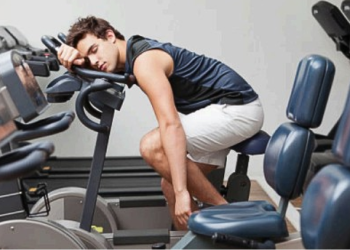
Athletes: Get Your Sleep!
Athletes: Get Your Sleep! By Ethan Hott Adequate sleep is essential for daily functioning, overall health, and mental well-being. It is a pillar in lifestyle medicine, and lies at the core of optimal and best practices for all people. In recent years, it has also gained more attention for its essential role in the lives of athletes, including their performance, cognition, and overall health and mental wellness. Adequate sleep enhances muscle repair, cognitive function, and reaction time. In contrast, sleep...
Read more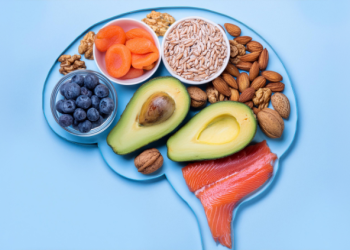
The Brain-Food Connection
The Brain-Food Connection By Jennifer O'Grady Gonzalez De Ampuero What You Eat Really Does Matter In the age of fast food and ever-increasing convenience, we often forget that what we put into our bodies has a profound effect on our mental well-being. Recent research in neuroscience and nutrition is uncovering a powerful link between diet and brain health. The foods we eat can influence our memory, mood, and overall cognitive function, impacting everything from how we learn to how we...
Read more
Paying Attention to Perspective
Paying Attention to Perspective By Sarah Schenck What do a maple tree, an invisible gorilla, and your health have in common? Perhaps something important, perhaps nothing at all… it all depends on your perspective. Do You See What I See? There is a maple tree beside a sidewalk, one of thirty or so that my neighbors have walked past for years. If shown a picture of this tree, you might say it is unremarkable, but I can pick that tree...
Read more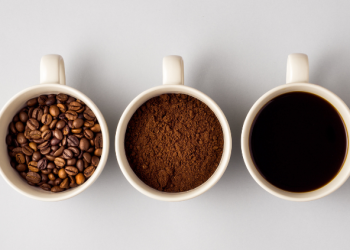
The Ritual of Coffee: A Lifestyle Medicine Approach to Well-being
The Ritual of Coffee: A Lifestyle Medicine Approach to Well-being By Harry Shin Coffee is more than just a drink—it’s a ritual, a social activity, and a moment of mindfulness. For many, it represents an essential part of daily life, offering both cognitive benefits and emotional connection. When consumed mindfully, coffee can support well-being across multiple dimensions, including social engagement, cognitive enhancement, and gratitude. However, like any caffeinated beverage, it must be consumed responsibly to avoid negative effects on sleep...
Read more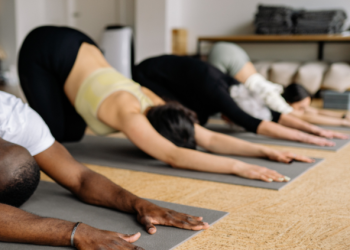
Why Taking It Easy Is the Hardest Part of Training
Why Taking It Easy Is the Hardest Part of Training By Allen Seo The Science Behind Recovery Modern exercise science has reshaped how we think about training and performance. While intense workouts are essential for athletic progress, the importance of active recovery and structured recovery days is equally crucial. Research increasingly supports the idea that optimal recovery strategies can enhance performance, reduce injury risk, and accelerate adaptations to exercise. But what does science say about the best ways to recover? ...
Read more
The Importance of Social Engagement During Relocation
The Importance of Maintaining Social Engagement During Relocation By Katie Sofko The Power of Social Engagement in Lifestyle Medicine As individuals, human beings have always sought social interaction to enhance their physical, emotional, and psychological well-being. As such, it is no surprise that "social engagement" is one of the seven pillars of lifestyle medicine, equal in importance to fundamental things such as restorative sleep, healthful nutrition, movement and exercise, gratitude and purpose, stress management, and cognitive enhancement. Tending to all...
Read more
How Family and Social Media Impact Adolescents’ Health
How Family & Social Media Impact Adolescents' Health By Ingrid Xiloj Camey Introduction Did you know that family dynamics and social media shape a teen's nutrition, not just physically but emotionally? In a European research study, known as CO-Create, 16- to 18-year-old teens reported that social media content negatively affected them by lowering their self-esteem, particularly in body image, and contributed to compulsive dietary behaviors. Similarly, Victoria Montesinos' 2023 EDHLA study revealed that adolescents adapted to family dietary preferences and...
Read more
How Exercise Helps Students Get Better Grades
How Exercise Helps Students Get Better Grades By Eshan Belligundu The World Health Organization recommends that adolescents (children between the ages of 10 and 19) engage in one hour of moderate exercise daily; however, only 19 percent of teenagers reach these numbers. Especially when entering high school, many students choose to prioritize their education over exercise, but new research shows that exercising regularly can help students improve their focus, retain new information, and even score higher on tests. Despite the...
Read moreNote: This blog’s content reflects the student author’s perspective and may not necessarily represent the views of the Stanford Lifestyle Medicine Program.