In the News
Stanford Lifestyle Medicine is your go-to source for expert information on achieving and maintaining a healthy lifestyle. By joining our email list, you’ll receive the most up-to-date recommendations from Stanford researchers about these essential pillars of health: Movement & Exercise, Healthful Nutrition, Restorative Sleep, Stress Management, Social Engagement, Cognitive Enhancement, and Gratitude & Purpose.

Hot sauna, cold plunge. Here’s where to try contrast bathing – National Geographic
From Finnish saunas to Korean ice tubs, these spas specialize in the practice of alternating between intense heat and intense cold. Many travelers have experienced the warming pleasures of a steamy soak at a Japanese onsen (hot spring) or a heated Turkish hammam. But...

Want a six-pack? Here’s how to get abs – USA Today
While many people may want to increase their muscle mass primarily to improve physical fitness, some are also after a more attractive physique. Glutes, triceps, obliques and chest muscles are all desired. Biceps are, too. But often the most buzzed about muscle region...

Office Hours Air: Bruce Feldstein on death and chaplaincy – Stanford Daily
After working as an emergency medicine physician for 19 years, including at Stanford, Bruce Feldstein suffered an injury that made it impossible for him to continue. With the encouragement of other medical professionals, he began to consider, and then pursue,...

Debunking These 3 Popular Kid Sayings About Health – DISCOVER
If you swallow a piece of gum, it will stay in your stomach for seven years. Dropping food on the floor is okay to eat if it’s been less than five seconds. Cracking your knuckles is bad and can lead to arthritis and other joint problems. Do these sayings ring a bell?...
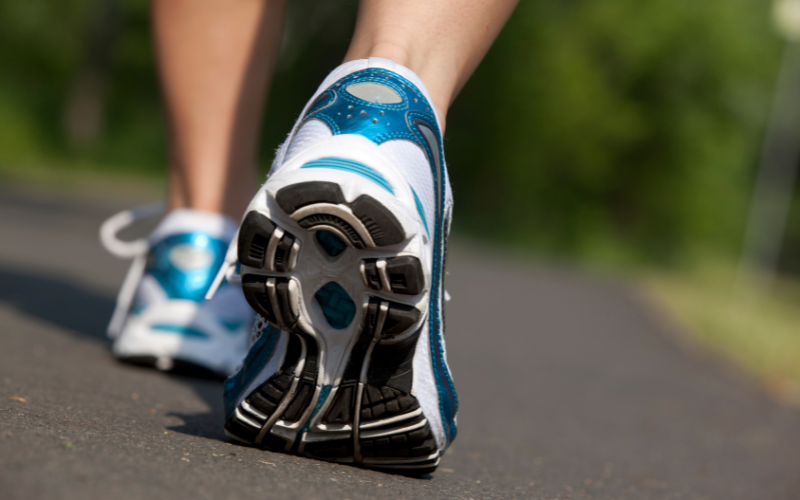
Level up your next walk by focusing on this one thing – CNN Health
If your everyday walks have become routine, consider incorporating breath work the next time you’re getting your steps in — and reap added benefits along the way. In the same way elite athletes sometimes take a concentrated breath before shooting a foul shot or...

Four questions for Jamie Zeitzer on daylight saving time – Stanford News
The co-director of the Stanford Center for Sleep and Circadian Sciences dishes on the science (or lack therof) behind “falling back.” Last spring, the Senate voted in favor of a bill called the Sunshine Protection Act. It would have made daylight saving time permanent...

What We Get Wrong About Gratitude – Thrive Global
Barbara Waxman speaks on how to grow old and grateful
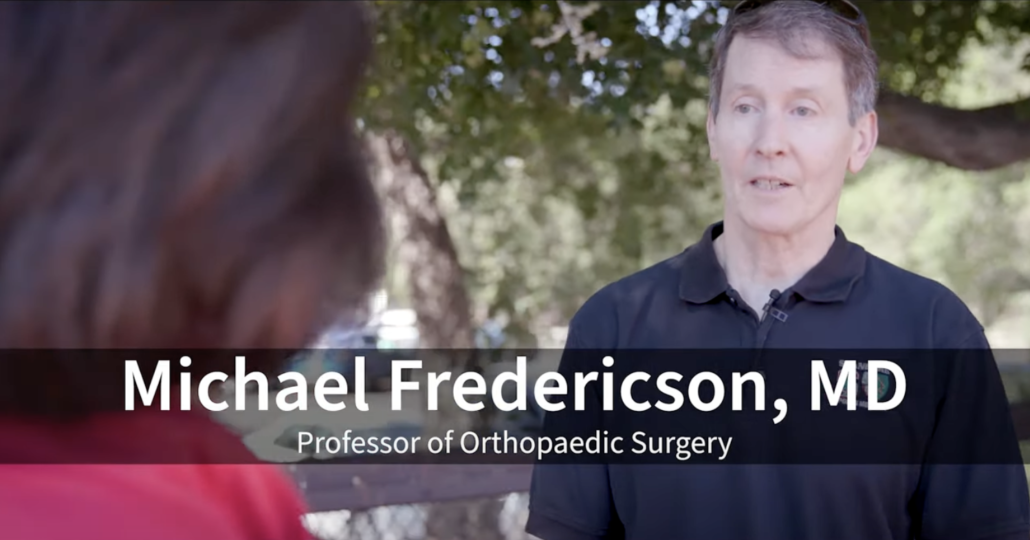
How female runners can improve speed and safety | 90 Seconds w/ Lisa Kim – Stanford Medicine
The idea that a leaner body makes for a faster stride is common among distance runners. But it's inaccurate and sets a dangerous ideal. Runners who are excessively lean are prone to injuries, infectious diseases, mental health problems and loss in bone density, said...

How long does it take to run a marathon? – TODAY
Michael Fredericson, a practicing physician and director of the Physical Medicine and Rehabilitation division of Stanford University, tells TODAY.com that long-distance running is unique from other forms of cardio as it strengthens muscle fibers, “which makes your...
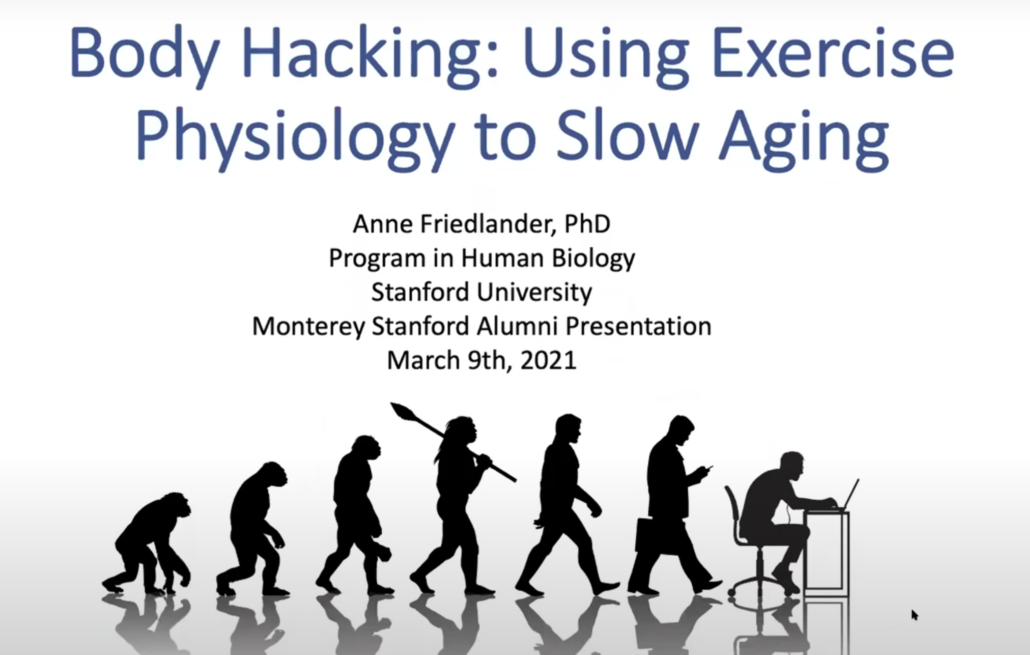
Body Hacking: Using Exercise Physiology to Slow Aging with Anne Friedlander – Stanford Alumni
Physical activity is a powerful medicine that can promote health and change the trajectory of aging. However, in the modern world, we have drifted away from incorporating physical activity into our lives. As the barriers to daily movement have gotten stronger, the...

Should I exercise outside when the air is smoky from wildfire? – San Francisco Chronicle
“Once it gets to red, purple or maroon …it’s really not safe,” said Dr. Michael Fredericson, a Stanford sports medicine doctor. “The potential negative outweighs the positive at that point.”

People who adopt healthy habits can reduce risk of depressive episodes, studies say – NPR
There are lots of medicines to treat depression, and many people benefit from them. But new research points to effective ways to prevent it. Two new studies show that people who adopt healthy habits can significantly reduce the risk of depressive episodes. NPR's...