
“To live with gratitude is to anchor yourself in purpose. To live with purpose is to never run out of reasons to be grateful.”
— Unknown
Gratitude & Purpose: Amplifiers of Well-Being
Gratitude and purpose reinforce each other, and, in doing so, amplify every other aspect of health and longevity. When you are mindful of the people, places, circumstances, for which you are grateful it yields a clarity of purpose. It allows you to focus on what is important in your life. When we live with purpose, gratitude becomes second nature. Together, they amplify our holistic sense of well-being—helping us flourish even through challenge and change.
Gratitude
Since ancient times, human beings have recognized the essential nature of gratitude in all dimensions of everyday life; personal, relationships, religious, communal, national, work, etc. Gratitude may be defined as an appreciation of what is valuable and meaningful for oneself. The act of practicing gratitude is by no means a new idea, but it has gained significant attention in recent years. New research has found that practicing gratitude has significant positive effects on our physical and mental well being, helps you sleep at night, and even bolsters your immune system. An increasing body of research shows that practicing gratitude and reflecting on positive aspects of our lives regularly may increase our life satisfaction and our quality of life.
Expressions of gratitude through activities such as gratitude meditation have been found to have direct impacts on the function of our brain. A recent study found that the part of the brain called the amygdala–which is thought to be the control center for emotional processing and attention–is greatly affected by a regular meditation practice. After an 8-week meditation practice, meditation practitioners exhibited a lower activation of their amygdala and a faster return to baseline activation after viewing phrases of negative self-belief and negative emotional stimuli while in a non-meditative state. In short, implementing a regular gratitude meditation practice can help you better manage negative emotions and increase our levels of self-belief and acceptance.
Tips & Practices
Here are some effective ways to implement a gratitude practice in your life:
- Start a gratitude journal! The Greater Good Science Center suggests that to get going, you should set aside at least 15 minutes a day, three days a week, for two weeks to your journal practice. In this time, record at least five things you feel grateful for–and be specific. Focusing on the details and personal aspects about what you are grateful for will strengthen this practice.
- Mindfulness meditation is a powerful tool to improve sleep quality, reduce systemic inflammation, and manage stress. Starting a meditation practice of only 10 minutes a day is a great way to start. The Greater Good Science Center provides a free mindfulness meditation here, and there are many free or low cost Apps that provide guided meditations. Loving-Kindness meditations are another kind of meditation that may help you express gratitude for yourself and others. The Greater Good Science Center provides a free Loving-Kindness meditation here.
Expressing gratitude and performing regular gratitude practices can be deeply impactful for your overall well being. Practicing gratitude can improve quality of life by helping you to manage stress, improve sleep, and overall well being by focusing on the positive aspects of your life. Healthcare providers can help their patients find gratitude by suggesting gratitude-based practices to implement in their daily lives or guiding them through gratitude meditations. Gratitude practices can be a low time-commitment and easy way to improve quality of life for yourself and for others.
Purpose
“Efforts and courage are not enough without purpose and direction.”
— John F. Kennedy
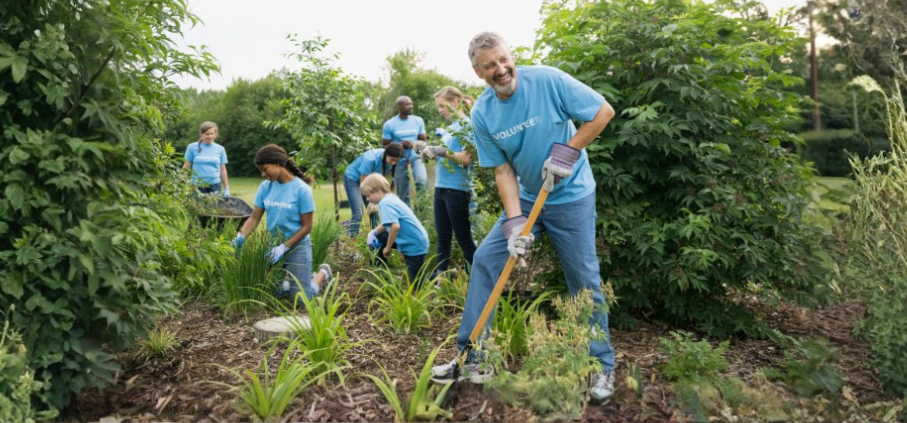
Purpose is the compass that guides us toward a life of meaning, joy, and contribution. Research links a clear sense of purpose with lower risk of heart disease and inflammation, greater resilience, and longer life. Purpose isn’t reserved for big missions—it’s found in the small, consistent ways we use our time, energy, and talents in service of what matters most.
A sense of purpose revolves around a sense of significance and the conviction that you matter. While purpose guides your direction, the feeling of mattering adds value to your journey. You don’t need to have a huge influence to make a difference. It can be found in the simple act of reaching out to a friend in need, checking in on a family member or comforting a friend through a tough moment. What truly matters is the impact you have, not the enormity of your efforts.
If you’re in search of meaning, focus on the individuals who are important to you and clearly demonstrate your difference in their lives. Whether it’s sending a message, arriving early, or speaking directly, the key lies not in the grand gestures but in your consistent and heartfelt intentions.
Further Reading