“Exercise may be the single most potent medical intervention ever known."
— Dr. Euan Ashley, Stanford Department of Medicine Chair
Movement & Exercise
There is an overwhelming amount of evidence that recognizes physical activity as a key component of a healthy lifestyle. Being physically active can improve health outcomes in all individuals — regardless of age, gender, ethnicity, or disability. For this reason, consistent physical activity is an effective lifestyle intervention for optimizing overall health and well-being.
The 2018 Physical Activity Guidelines Advisory Committee Scientific Report summarizes current evidence on physical activity and health, highlighting specific physical activity-related health benefits. These include a decreased risk of chronic conditions such as heart disease, stroke, hypertension, and type 2 diabetes as well as eight different types of cancer. Physical activity has also been shown to affect brain function by reducing the risk of Alzheimer’s disease as well as improving anxiety, depression, sleep, cognitive function, and overall quality of life.
Despite widely-established benefits across the lifespan, the proportion of individuals engaging in sufficient levels of physical activity is alarmingly low. The Centers for Disease Control and Prevention reports only around 50% of adults are achieving the necessary physical activity levels to reduce and prevent chronic diseases. Current research also suggests that there has been no significant increase in aerobic activity over the past decade, while sedentary behaviors have significantly increased. Sedentary behavior (i.e. sitting for extended periods) is an independent risk factor for negative health outcomes such as cardiovascular disease, type 2 diabetes, cancer, and all-cause mortality.
The 2018 Physical Activity Guidelines strives to combat this negative health behavior by encouraging optimal physical activity levels and minimizing the detrimental impact of a predominantly-sedentary lifestyle.
What to Do if You’re Just Starting Out
The most important message is to move more and sit less throughout the day. Any physical activity is better than none. Adults who sit less and engage in any amount of moderate-to-vigorous physical activity experience health benefits.
How to Ramp Up
For substantial health benefits, most exercise recommendation guidelines suggest:
- Aerobic activity (getting your heart rate up).
- At least 150 minutes to 300 minutes a week of moderate-intensity; OR 75 minutes to 150 minutes a week of vigorous-intensity aerobic physical activity; OR An equivalent combination of moderate- and vigorous-intensity aerobic activity.
- Note: more than 300 minutes of moderate-intensity aerobic physical activity a week results in modest additional health benefits.
- Aerobic activity should be spread throughout the week.
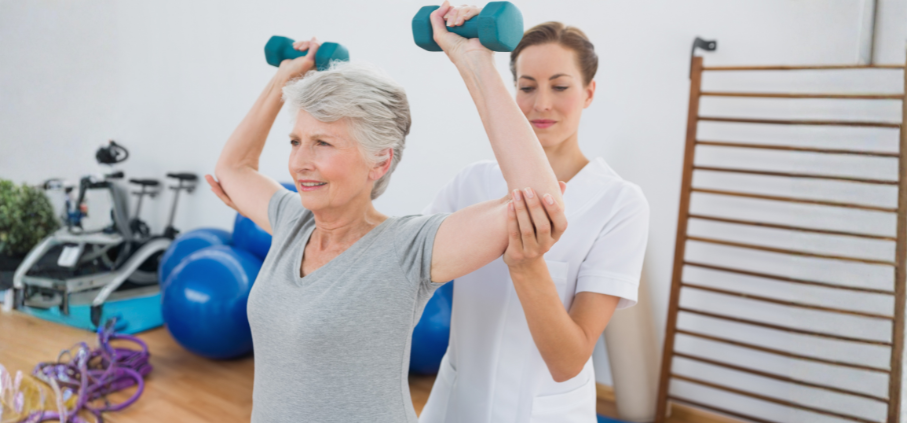
- Muscle-strengthening activities (ie resistance or weight training) of moderate or greater intensity. These should involve all major muscle groups two or more days per week, as this provides additional health benefits.
- Incorporating balance training into regular exercise routines is particularly beneficial for older adults.
Regular physical activity is essential for maintaining health and longevity. Aim to engage in a variety of exercises, including aerobic activities, muscle-strengthening workouts, and balance training each week. Remember that consistent movement throughout the day can significantly improve your overall well-being. Tailor your exercise routine to fit your preferences and lifestyle to enhance enjoyment and sustainability. The most important exercise routine is the one you will actually do consistently.
Things to Consider as You Age
The exercise guidelines apply to people of any age. However, there are things to think about as you get older. Here are a few examples (for additional information, see the blogs within this pillar)
Resistance training (RT)
Resistance training becomes even more important as we age, and this is the exercise component most likely to be overlooked by people. Reducing muscle loss with age is one of the best things that you can do for your physical function, metabolic health and overall health. There are many options for resistance training, but just doing something that works the muscles harder than they normally do will improve muscle strength and size. The 2026 American College of Sports Medicine Guidelines on Resistance Training provide extensive information on optimizing workouts, but the overall message is that “While specific variables can be tweaked, the primary goal for most adults should be regular participation in any form of RT. Whether using heavy barbells, resistance bands, or body weight, the effort and consistency put in results in greater benefits than following a perfect, complex formula inconsistently.”
Recovery time
Always, but especially as we get older, we need to listen to our body. The repair mechanisms within our body become less robust, so it takes longer to recover from a hard, long workout or from an injury. It is not a personal failure if you need more recovery time, it is you listening to your body and giving it what it needs. Older adults in their 80s are still doing amazing events like the Hawaii Ironman, but most of us need to adjust our expectations and find joy in the activities we can still do. So much is possible!
Lifestyle activities and exercise snacks
An overlooked category of movement is Lifestyle Activity. Just moving throughout the day such as taking stairs, walking to the café, gardening, and housework can benefit your health. The greatest improvement in all-cause mortality comes at the low end of the movement spectrum. So try integrating small movements into your life whenever possible whether it be walking around the block or interrupting prolonged sitting by doing an exercise “snack” such as 10 squats. Little bits of movement throughout the day, and your life, can add up to significant effects over time.
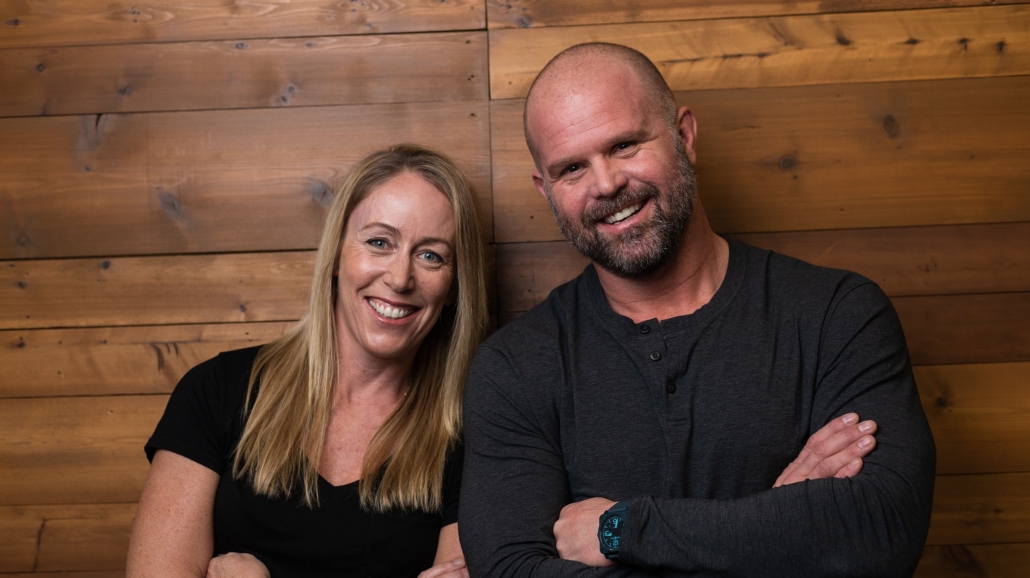
How do Stanford Lifestyle Medicine team members stay active?
Further Reading