
In the News
Stanford Lifestyle Medicine is your go-to source for expert information on achieving and maintaining a healthy lifestyle. By joining our email list, you’ll receive the most up-to-date recommendations from Stanford researchers about these essential pillars of health: Movement & Exercise, Healthful Nutrition, Restorative Sleep, Stress Management, Social Engagement, Cognitive Enhancement, and Gratitude & Purpose.

Morning Workouts are Linked to Better Weight Management, Study Finds – Healthline
Dr. Michael Fredericson, director of the PM&R Sports Medicine and co-director of the Stanford Center on Longevity at the Stanford University School of Medicine, said the way the study was conducted it was unclear if the people who exercised in the morning were...

These habits can cut the risk of depression in half, a new study finds – NPR
Antidepressant medicines tend to be faster in treating an episode of depression, says Douglas Noordsy, a psychiatrist with the Stanford Lifestyle Medicine Program. "But physical exercise has more durable effects than an antidepressant does," he says. For some people,...

Walking Just 4,000 Steps a Day Can Help You Live Longer – Healthline
“What is different is that previous studies have suggested you need at least 4,000 steps per day and ideally 6,000 to 8,000 for significant benefit.” Dr. Michael Fredericson, a professor of orthopedic surgery at Stanford Health Care who was not involved in the study,...

A Physiologist On The Best Exercise For Women Going Through Different Stages Of Menopause – Katie Couric Media
Stacy Sims, MSC, PHD, is a forward-thinking international exercise physiologist and nutrition scientist who aims to revolutionize exercise nutrition and performance for women. She spoke with Katie Couric about why exercise is so important for women as we get older,...
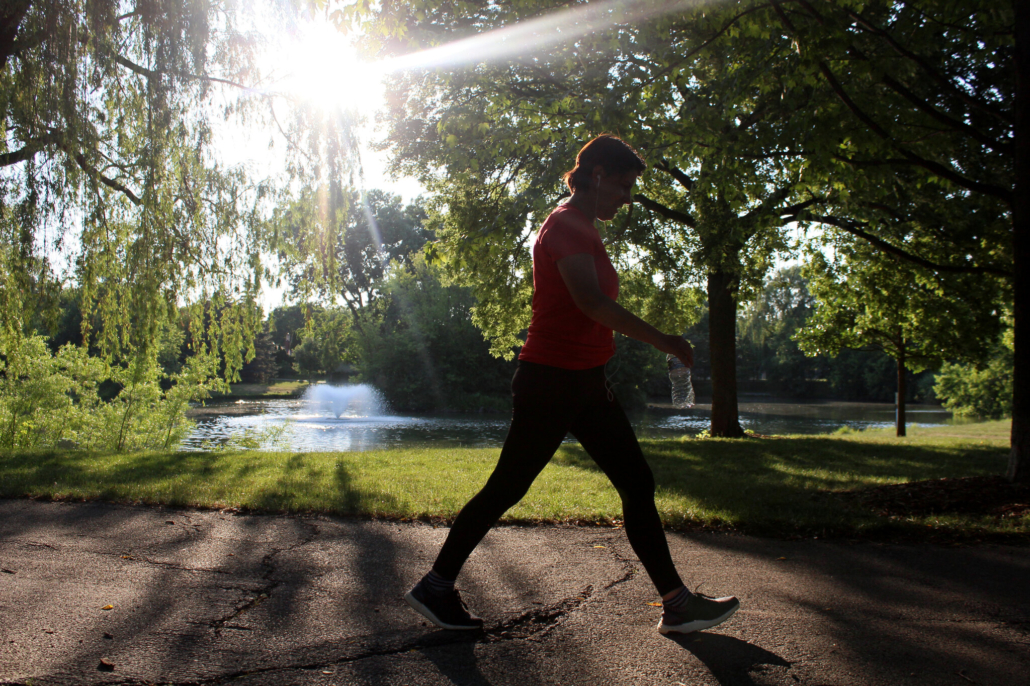
Speeding Up Your Daily Walk Could Have Big Benefits – The New York Times
“Activity tracker data is going to be better than self-reported data,” said Dr. Michael Fredericson, a sports physician at Stanford University, who was not involved in the study. “We know that people’s ability to self-report is flawed,” often because people don’t...

How To Tell The Difference Between Soreness And Injury After A Workout – HuffPost
" One red flag is swelling around a joint after a workout, according to Dr. Michael Fredericson, a sports medicine physician at Stanford Health Care." Any stiffness around joints in the knees, hips, ankles or lower back is also concerning, he said, while adding that...
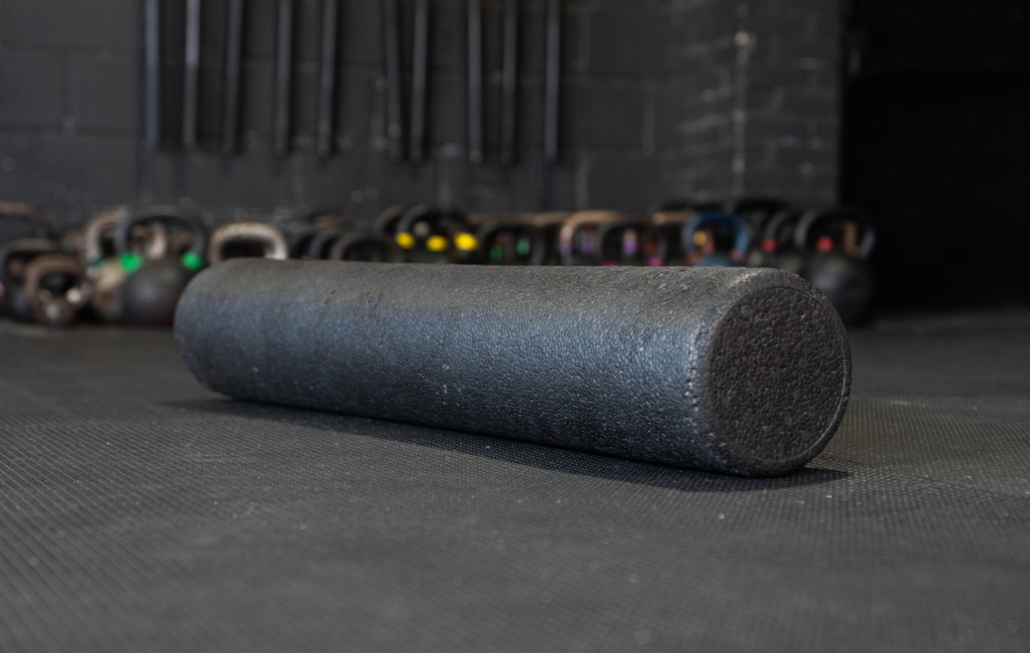
5 Foam Rolling Exercises for Skeptics – The New York Times
"If you do decide to try foam rolling, Dr. Michael Fredericson, professor of sports medicine at the Stanford School of Medicine, suggested a stiff roller."
6 Ways to Level Up Your Daily Walk – The New York Times
"A good set of insoles will help prevent something called overpronation, said Dr. Michael Fredericson, a professor of orthopedics at Stanford University. Pronation is when the foot rolls inward, usually caused by an arch that is not strong enough to properly support...
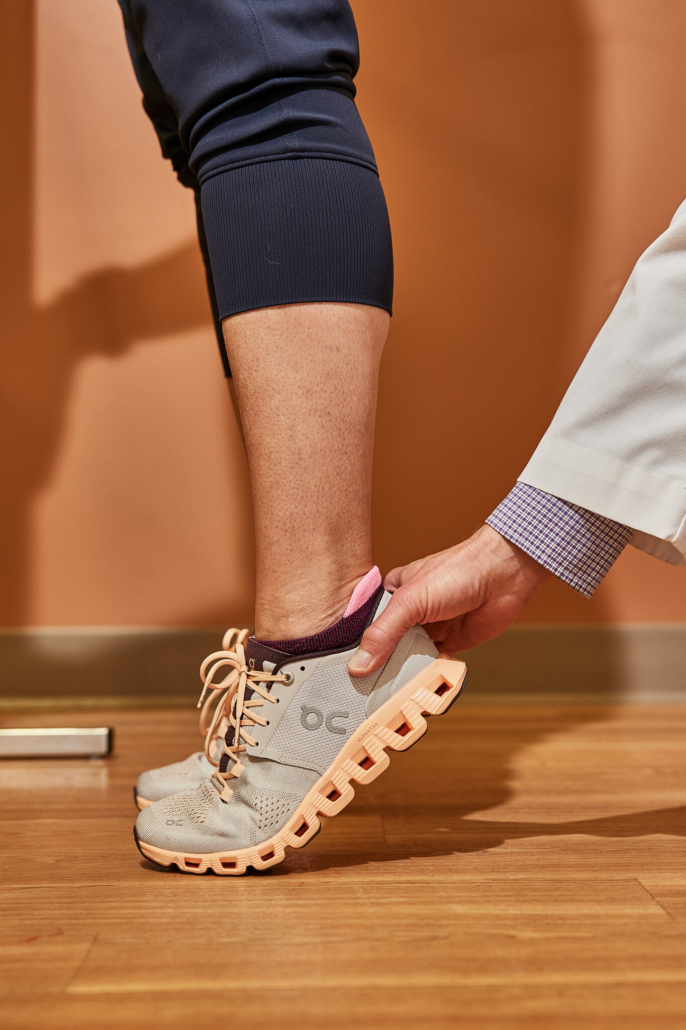
How to Avoid (and Fix) a Bum Ankle – The New York Times
“The biggest reason people have recurrent ankle sprains is that they never do rehabilitation,” said Dr. Michael Fredericson, a sports physician at Stanford University.
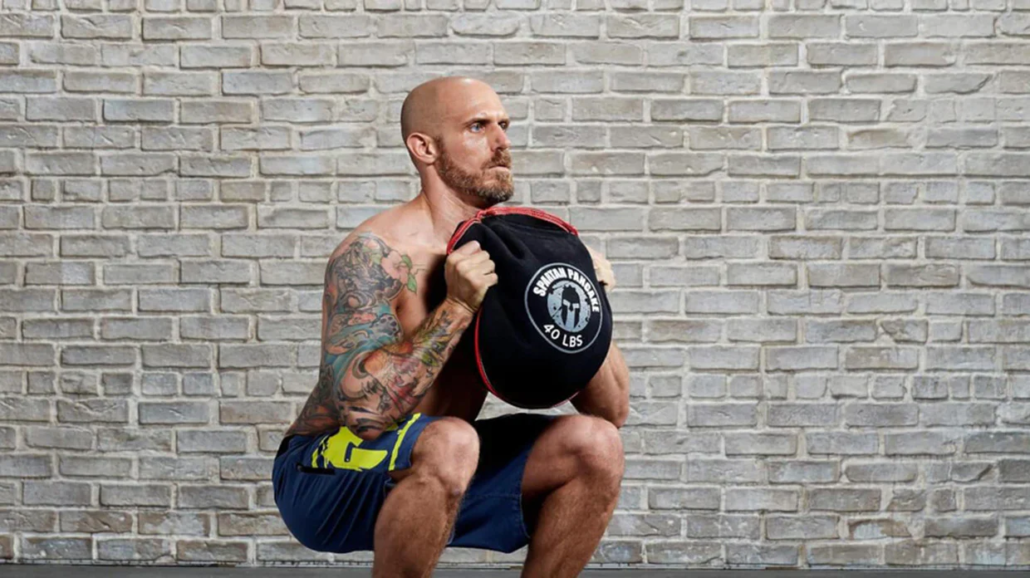
The Single Best Spartan-Approved Exercise to Prevent Knee Injuries – Spartan
One thing to be mindful of is not coming back to obstacle racing too soon after an injury without taking proper precautions. “Overuse injuries occur in the muscles and tendons and are probably more common in Spartan Racers,” says Dr. Michael Fredericson, Director of...

EXPLAINER: How figure skaters deliver quadruple jumps – AP News
" The drug, trimetazidine, is intended to help increase blood flow to the heart, which would typically help older people with heart disease, said Dr. Michael Fredericson of Stanford University’s School of Medicine. "

Don’t Work Out With Covid-19, at the Gym or Anywhere Else – Wall Street Journal
" Take three to four weeks to ease back to your previous activity levels, even if you’re in terrific shape and felt only mild symptoms, says Michael Fredericson, a sports-medicine physician at Stanford Health Care. "