By Erin Pettygrove, RDN and Sharon Brock, MS, MEd
Fitness trends move fast—one week it’s weighted vests on your morning walk, the next it’s vibration plates or red light therapy promising better metabolism, stronger muscles, and faster recovery.
Many are looking for efficient, at-home tools to improve strength, metabolism, and recovery without adding hours to their routine (or losing dollars from their wallets). The right tools can support your fitness goals, but the wrong ones can lead to frustration, wasted money, or missed opportunities to focus on what actually works.
At Stanford Lifestyle Medicine, our researchers focus on separating evidence-based strategies from wellness hype. While emerging tools like weighted vests, vibration plates, and red light therapy are gaining popularity, the science behind them varies widely.
We asked Rachele Pojednic, PhD, exercise science and nutrition researcher and lecturer of human biology at Stanford University if the advertisement claims for each of these three tools are true and what’s worth the investment.
“Many of these tools aren’t magic solutions, but they can play a role when used appropriately,” says Dr. Pojednic. “The key is understanding what they actually do and don’t do, so you can use them in ways that support your long-term health.”
Weighted Vests
Claim: Do weighted vests actually help build muscle and/or burn more calories?
Weighted vests, typically ranging from 2 to 10 pounds, are increasingly marketed, especially toward women, as a way to build skeletal muscle and boost calorie burn during everyday activities like walking.
No’s:
While adding weight does slightly increase the workload on the body, current research shows that the increase in calorie burn is relatively small, especially at the lighter weights most commonly used. In other words, wearing a vest on a casual walk won’t dramatically change your energy expenditure.
Yes’s:
Where weighted vests may offer actual value is in three key areas:
- Increasing mechanical load, which may support bone density over time
- Encouraging better posture and body awareness during movement
- Serving as a behavioral cue that reinforces consistency in exercise habits
Currently, there is limited human data examining weighted vests in general fitness populations, making it difficult to draw strong conclusions about long-term muscle-building effects.
“Weighted vests can be helpful, but not necessarily for the reasons people think,” says Dr. Pojednic. “The biggest benefit may be that they encourage people to move more consistently, which is ultimately what drives fitness results.”
Vibration Plates
Claim: Do vibration plates actually burn calories and/or improve balance?
Vibration plates are often promoted with bold claims, especially the idea that they can increase calorie burn by generating heat in the body. However, this claim doesn’t hold up scientifically.
No’s:
The calorie-burning effect of vibration plates is minimal, and the mechanism often cited in marketing (heat production leading to fat loss) lacks evidence. That said, vibration plates may still have meaningful benefits, just not in the way advertised.
Yes’s:
Research suggests vibration plates may help with:
- Balance, stability, and proprioception, particularly in older or injured adults
- Neuromuscular coordination, by stimulating rapid muscle contractions
- Rehabilitation support, especially for individuals recovering from injury
These “yes’s” makes vibration plates potentially useful in populations who are injured (for rehabilitation) or aged 60+ (to improve balance and coordination), rather than as a primary fitness or fat-loss tool.
“Vibration plates can be valuable for improving balance and coordination, especially in people who need that support, but they should not be viewed as a shortcut for calorie burning or weight loss,” says Dr. Pojednic.
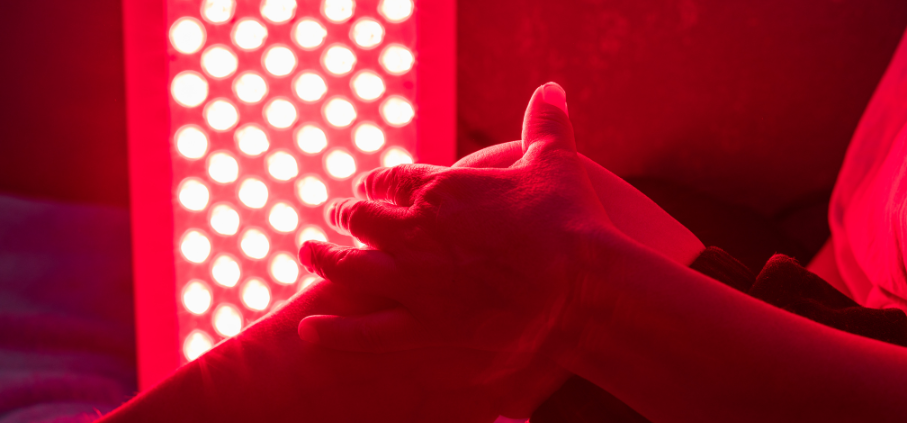
Red Light Therapy
Claim: Does red light therapy actually improve recovery and/or mitochondrial health?
Red light therapy is one of the most talked-about recovery tools right now, often associated with improved energy, skin health, and tissue repair.
No’s:
The only downside to this modality is the lack of research on its effectiveness for humans, and optimal protocols have not yet been fully established. Otherwise, Dr. Pojednic recommends this tool since unlike weighted vests and vibration plates, red light therapy has more research to back up the claims, particularly regarding how light interacts with cells.
Yes’s:
Early research suggests that specific wavelengths of red and near-infrared light may:
- Stimulate mitochondrial function, improving cellular energy production (ATP)
- Support tissue repair and regeneration
- Reduce inflammation in targeted areas
Current general recommendations include:
- Using red light therapy two to three times per week
- Sessions lasting around fifteen minutes
- Ensuring devices meet specific wavelength and intensity standards (many consumer products may not deliver therapeutic doses).
“Red light therapy is promising, but it’s not as simple as just buying any device and using it randomly,” says Dr. Pojednic. “The wavelength, intensity, and consistency all matter if you want to see real benefits.”
The Bigger Picture: Tools vs. Habits
Weighted vests, vibration plates, and red light therapy each offer targeted benefits, but Dr. Pojednic reminds us to not lose sight of what matters most for long-term health—consistent healthy habits in these key lifestyle medicine pillars:
- Physical activity
- Proper Nutrition
- Strength training
- Quality sleep
Dr. Pojednic explains that the real value of these tools lies in how they support behavior change, consistency, or recovery—not in dramatic, quick-fix results. Therefore, choosing whether to incorporate them into your routine comes down to this simple question: Does this modality help me stay consistent with the behaviors that matter most?
“These tools can be useful additions, but they’re not substitutes for the basics,” says Dr. Pojednic. “When used thoughtfully, they can enhance a routine, but long-term health always comes back to consistent, sustainable habits.”


