
5 Supplements for Joint Health
By Nick Ehrhardt, MD and Sharon Brock, MS, MEd
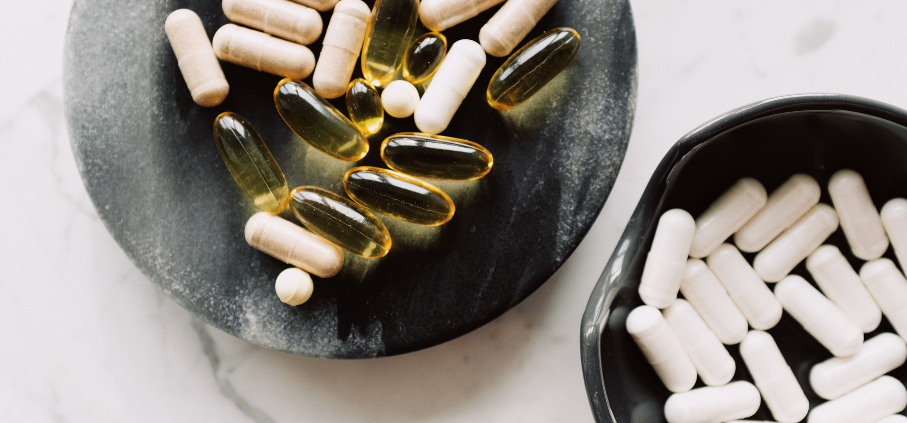
Although supplements can be a helpful tool for promoting joint health, the American College of Rheumatology/Arthritis Foundation recommends assessing diet and increasing muscle strength through physical therapy as the initial steps to reducing joint pain.
Stanford experts agree—rather than purchase the next joint health supplement that is advertised, it’s better to work with a health professional, such as a physician or registered dietician, to assess and make modifications to one’s diet. It’s also recommended to take tests to determine which joint-health nutrients are low and then supplement where needed.
After working with a health professional, supplements can potentially support joint health and reduce pain and inflammation. Here is the research behind five of the most popular supplements for joint health to help you determine what is right for you.
Research Behind 5 Supplements for Joint Health
1. Glucosamine and Chondroitin
This 2-in-1 joint supplement is the most popular in the world, and for good reason. Studies show that the use of glucosamine with chondroitin was found to be nearly equal to a nonsteroidal anti-inflammatory drug (such as ibuprofen) in reducing moderate to severe pain in osteoarthritis patients. Additional studies show that taking glucosamine with chondroitin for more than three years slowed the breakdown of joint cartilage compared to a placebo.
2. Curcumin
Curcumin, a component of the spice turmeric, gives the spice its yellow color and offers anti-inflammatory effects. As a supplement, curcumin has been shown to be safe and effective in reducing pain in osteoarthritis patients. Specifically, curcumin has been found to reduce inflammatory markers in patients with rheumatoid arthritis. Tip: Curcumin on its own does not absorb efficiently into the body; however, adding piperine (or black pepper) has been shown to increase the supplement’s bioavailability.
3. Omega-3 Fish Oil
Omega-3 fatty acids present in fish oil have gained popularity for their ability to lower triglycerides and improve cardiovascular health. Although generally speaking, studies have shown mixed results regarding the effectiveness of Omega-3 supplementation on the reduction of osteoarthritis pain, one study showed a decrease in pain, stiffness, and swelling for individuals with rheumatoid arthritis.
4. Collagen (Hydrolyzed Peptides)
Collagen has been commonly used as an “anti-aging” supplement to support skin health and muscle recovery, and multiple studies have shown that collagen may also play a role in improving joint pain. However, it’s important to note that there is limited evidence showing that collagen provides a protective or regenerative effect for joints.
5. Boswellia serrata extracts
Boswellia, or frankincense, is an herbal supplement that has been used to reduce inflammation. Although anecdotal reports claim that Boswellia can reduce joint pain, additional studies need to be completed to explore these claims since some studies show mixed results.
Things to Consider with Supplements
It’s important to remember that most supplements don’t go through the same rigorous approval process from the Food and Drug Administration (FDA) as pharmaceuticals. One role of the FDA is to review and approve medications to make sure they work and are safe at a determined dose. Without this oversight, some supplement companies may make false claims, or the ingredients listed on the label may not be the same ones in the bottle. Therefore, it’s essential to research the credibility of supplement companies before making purchases.
In any case, when taking a new supplement, it’s important to consult with a doctor to make sure the dosage is safe and effective. You can also bring a list of your supplements and medications to your doctor or pharmacist to check for possible negative interactions.
Another reason to check with your doctor before taking a supplement is to assess whether you actually need the supplement or if you can attain that nutrient from your diet. Your body—and your wallet—will thank you!

