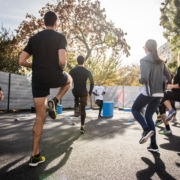
Physical activity is a powerful medicine that can promote health and change the trajectory of aging. However, in the modern world, we have drifted away from incorporating physical activity into our lives. As the barriers to daily movement have gotten stronger, the burden to exercise has gotten greater. As scientists learn more about the pathways of disease, the causes of aging and the mechanisms by which exercise exerts its benefits, we can develop targeted exercise strategies that can slow (i.e. “hack”) the aging process. In this session, we will discuss how physical activity can slow aging and how different types and amounts of activity can optimize desired health and fitness outcomes.


“Once it gets to red, purple or maroon …it’s really not safe,” said Dr. Michael Fredericson, a Stanford sports medicine doctor. “The potential negative outweighs the positive at that point.”

There are lots of medicines to treat depression, and many people benefit from them. But new research points to effective ways to prevent it. Two new studies show that people who adopt healthy habits can significantly reduce the risk of depressive episodes. NPR’s Allison Aubrey reports.

Dr. Michael Fredericson, director of the PM&R Sports Medicine and co-director of the Stanford Center on Longevity at the Stanford University School of Medicine, said the way the study was conducted it was unclear if the people who exercised in the morning were “systematically different from those who exercise at other times in ways not measured in this study.”

“For example, people who exercise regularly in the morning could have more predictable schedules, such as being less likely to be shift workers or less likely to have caregiving responsibilities that impede morning exercise,” Fredericson said.

Antidepressant medicines tend to be faster in treating an episode of depression, says Douglas Noordsy, a psychiatrist with the Stanford Lifestyle Medicine Program. “But physical exercise has more durable effects than an antidepressant does,” he says.

For some people, medication gives them a benefit in the beginning, but then it fades over time, Noordsy says. “Whereas a lifestyle change can have a more permanent and lasting effect.” Noordsy and his colleagues use a range of evidence-based recommendations and tools, from medicines to therapy to behavioral approaches including fitness, nutrition, sleep and stress management, to help empower patients.

“What is different is that previous studies have suggested you need at least 4,000 steps per day and ideally 6,000 to 8,000 for significant benefit.” Dr. Michael Fredericson, a professor of orthopedic surgery at Stanford Health Care who was not involved in the study, told Healthline.

“However, this study suggests we do not need as many steps to have health benefits, and they can manifest starting with even 2,500 to 4,000 steps a day,” Fredericson added.

Stacy Sims, MSC, PHD, is a forward-thinking international exercise physiologist and nutrition scientist who aims to revolutionize exercise nutrition and performance for women. She spoke with Katie Couric about why exercise is so important for women as we get older, and the best exercises for women in different stages of menopause.

“Activity tracker data is going to be better than self-reported data,” said Dr. Michael Fredericson, a sports physician at Stanford University, who was not involved in the study. “We know that people’s ability to self-report is flawed,” often because people don’t accurately remember how much exercise they did in a day or week.

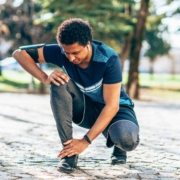
” One red flag is swelling around a joint after a workout, according to Dr. Michael Fredericson, a sports medicine physician at Stanford Health Care.”

Any stiffness around joints in the knees, hips, ankles or lower back is also concerning, he said, while adding that stiffness around a muscle you worked out is normal.

You should take notice if joint or muscle stiffness is ever “impairing your ability to walk,” Fredericson said. If that’s the case, you should get in touch with your doctor.

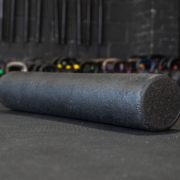
“If you do decide to try foam rolling, Dr. Michael Fredericson, professor of sports medicine at the Stanford School of Medicine, suggested a stiff roller.”