






Last year, the U.S. Surgeon General published an advisory on the healing effects of social connection and community. This advisory was based on decades of research on the impact of social connection on mental and physical health and brought nationwide awareness to the importance of creating and maintaining relationships for a long, healthy life.
“Most of us recognize that exercise and healthy eating are important for our longevity; however, if you’re doing those things by yourself, you’re missing out on the benefits of another pillar of health—social health,” says Steven Crane, MS, research scholar and head of Social Engagement pillar of Stanford Lifestyle Medicine. “Strong relationships are the bedrock of our well-being, and they are just as important for our health as going to the gym or eating healthy food.”
Social health refers to the quality of our relationships and how often we interact with others. Since social connection is in our nature as humans, when we are isolated and feel a lack of connection, research shows that our mental health can be affected. For example, we can experience a myriad of negative emotional states such as loneliness, depression, anxiety, or anger when the quality of our social health is poor, sometimes leading to substance abuse and addiction.
Mental health and well-being are not the only aspects affected. Research also shows that our social health profoundly impacts our physical health.
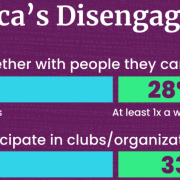
Loneliness and social isolation have a significant impact on health and mortality. For example, research shows loneliness increases the risk of heart disease by 29 percent, dementia by 50 percent, depression by 77 percent, premature mortality by 29 percent, and diabetes by 49 percent.
Crane explains that social health impacts our physical health in two ways. First, loneliness itself is a stressor. Since early humans evolved to be interdependent and rely on each other, they often did not survive when they were isolated. Therefore, when we feel as though we don’t belong, it can feel like a threat to our survival.
“Due to our evolution, humans have a drive to connect and seek out relationships. So, just like other drives linked to survival, such as hunger or thirst, loneliness signals that something is wrong, and we need to change our behavior to address it as soon as possible,” says Crane. “And just like these other survival-based stressors, when loneliness becomes chronic, cortisol levels stay elevated and thus increase the risk of heart disease, hyperglycemia, metabolic disorders, and other illnesses that are consequences of any chronically elevated stress situation.”
Secondly, there are a lot of stressors in our daily lives, and Crane says we can better handle them when we have the support of close, caring relationships. During challenging times, a few close friends can listen while we talk through our problems and offer guidance around possible solutions.
Various factors prevent us from prioritizing our social health. From being overly busy with work and family obligations to being an introvert with a fear of rejection, there are many reasons why we don’t pick up the phone and reach out.
Here are three obstacles to social connection:
When people experience recurring feelings of exclusion and loneliness, they perceive social threats more severely than people who don’t feel as lonely.
“There’s a vicious cycle that happens when people feel lonely. People become more afraid of social situations and then become more likely to avoid them, which makes them lonelier,” says Crane. “This downward spiral can lead to chronic loneliness and isolation.”
To overcome the fear of social situations, Crane recommends exploring cognitive-behavioral therapy (CBT) to work on social cognitions. This work can help people overcome fear of rejection or anticipatory anxiety about social events. “One of the most effective treatments for chronic loneliness is CBT because it can help re-write the scripts we tell ourselves that keep us from engaging in relationships,” he says.
Amidst our busy schedules, many people let their friendships languish and aren’t proactive about keeping them strong. Even if they want to, it may seem too difficult when other items on the to-do list, such as family or work obligations, take higher priority.
“In the U.S., people work more than most other countries where social health is better. With more widespread adoption of remote or hybrid workplaces, it’s been harder to create meaningful relationships at work.” says Crane. “I’m currently working with a nonprofit called Sunny to help make workplaces more of a socially connected environment where we can fulfill our social health right there in the workplace—where we spend thousands of hours each year.”
Crane says the best way to overcome this obstacle of busyness is to make social connection an equal priority to our other healthy behaviors, such as getting good sleep, exercising, and eating nutritious meals. He recommends we build healthy habits to connect, like scheduling routine monthly gatherings with your local friends, weekly calls with your important relatives, and a daily text to somebody you appreciate.
We have never had so much digital entertainment so easily at hand as we do today. Videos, games, and infinite social media feeds are so compelling in the moment that most of us spend far more time on our devices than we want to. Indeed, the sophisticated algorithms that drive what appears next are optimized for prolonged engagement. To help with this, Crane and collaborators at the Stanford Behavior Design Lab developed Screentime Genie.
Without boundaries and strategies to manage our device use, we often retreat to digital entertainment to bypass the activation energy of social engagement or the friction and difficulty that real-life relationships inevitably entail. Crane is concerned that many young people are not learning the skill of navigating conflict, which is essential to strengthening relationships.
“The moment there is discomfort in a social situation, like breaking the ice with new people at a party, many young people escape into their phones instead. But difficulty is part of all human relationships, so we shouldn’t be afraid of engaging with it, and it’s important to be able to work through our differences in order to feel more connected,” says Crane. “A TikTok feed is never going to challenge you, but it also won’t give you the rewards of a fulfilling, authentic relationship.”


To improve health and longevity, most people focus on eating the right food, sleeping enough hours, and getting enough exercise. But what if the secret to living longer and healthier isn’t only based on what you take in but also on what you give? Whether we are giving presents during the holidays or offering a listening ear to a friend who is struggling, giving strengthens our relationships, improves our mental health, and can even positively impact our physical health.
“We can offer acts of generosity in many ways—with our time, our resources, and our kindness and compassion. Even something as simple as offering a smile to a stranger can have a significant impact on our well-being,” says Stanford researcher Akivah Dixon Northern, DSc, who is also a chaplain and graduate of Yale Divinity School.
Giving can take many forms, such as holding the door for someone, helping a friend move, or volunteering in the community. Research has shown that volunteering, in particular, offers incredible benefits for mental health and longevity. For example, this study explored the health benefits of volunteering among adults aged 50 and older. During a four-year follow-up period, researchers found that those who participated in 100 or more hours of volunteering per year had lower risks of mortality and physical functioning limitations. Their volunteering also resulted in higher psychosocial outcomes—they experienced higher optimism, greater purpose in life, and reduced depression, hopelessness, and loneliness. Another study on the “helper’s high” emphasized how giving results in feelings of happiness and promotes self-esteem and a sense of purpose.
Volunteering was also linked to mental health and longevity by centenarian researcher Dan Buettner in his Blue Zone docu-series. Blue Zones are regions of the world where people are said to live longer and healthier lives, and have the greatest number of people who have reached the age of 100 (centenarian). “Generally speaking, people who volunteer have better memories, better social connections, and report higher levels of happiness,” said Buettner in the Netflix special.
Dr. Northern also has experience with Blue Zones in that she is an alumna of Loma Linda University, and Loma Linda is the only Blue Zone in the US. “Finding joy and purpose through helping others is common among the many centenarians in Loma Linda,” says Dr. Northern.
Giving also has measurable effects on physical health. One study showed a relationship between giving and lowered blood pressure. This study recorded systolic blood pressure, diastolic blood pressure, mean arterial pressure, and heart rate every 30 minutes for 24 hours. Analysis revealed that when participants positively connected with others and gave social support, they recorded lower blood pressure.
This study also revealed that participants with a higher tendency to give social support reported greater self-efficacy, higher self-esteem, less depression, and less stress than participants with a lower tendency to give.
Given that giving reduces stress, it may also lower cortisol levels in the bloodstream. Cortisol is known as the “stress hormone” because it’s released when the body is stressed. Elevated cortisol levels due to chronic stress can contribute to inflammation and diseases like Type 2 diabetes, arthritis, and cardiovascular conditions. Giving may also increase “feel-good” chemicals like dopamine, serotonin, and oxytocin, promoting good physical health.
At Stanford, Dr. Northern conducts research with medical students to assess what is challenging about medicine versus what brings them joy. Dr. Northern’s data shows that when students are being generous with patients—either with their time, presence, or compassion—they experience the joys of feeling connected and making a difference, and have a renewed sense of purpose and dedication.
“Doing good deeds and connecting with others not only enhances emotional and physical well-being but it can also bring joy to our work,” says Dr. Northern. “When we give, it takes our minds off ourselves and makes us more aware of the needs of others. When we are generous, we create relational harmony, purpose, and meaning, all of which are beneficial to our overall health.”


Many of us read about daily habits that can help us become our best selves—don’t scroll on your phone in bed, drink lemon water before coffee, do computer work from a walking desk—but Stanford University Social Health Researcher Steven Crane, MS, actually implements these health-promoting habits in his daily life. For example, every morning, Crane jumps into a cold plunge and meditates. After about ten deep breaths to calm his nerves and lower his reactivity to the discomfort, he easefully transitions into a hot tub to defrost. This morning routine clears his mind, awakens his body, and sets the tone for an equanimous, productive, and joyful day.
“My life’s work has focused on human flourishing. Specifically, on the behaviors that help people to flourish, and how to inspire people to adopt these behaviors,” says Crane, head of Stanford Lifestyle Medicine’s pillar on Social Engagement. “Much of my research is based on understanding intervention design, measurement of human flourishing at the physical and psychological levels, and what flourishing means with respect to human nature.”
Crane came to Stanford as an undergraduate in 2007. Although he was a Human Biology major, he took many classes in psychology and philosophy and became interested in the health benefits of human connection. In 2018, he pursued a master’s degree in Stanford’s Community Health and Prevention Research program where he wrote his master’s thesis on the experience of social connection throughout life and its connection to overall well-being.
“Given the state of social connection in the country, I realized how few people have the connections needed for overall well-being,” says Crane. “So I decided to dedicate my thesis to the topic of social connection and I worked with the Stanford Well for Life program analyzing social connection throughout the life course and how it affects people of different ages and genders.”
Along with being a student, Crane worked at the Stanford Boundaries of Humanity project from 2014 to 2023. Here, Crane and other researchers applied expertise in human evolution, biology, cognitive psychology, and information technology to reveal the impacts of advancing technology on humanity. The project offers public education and events addressing critical issues at the intersection of biotechnology and human identity.
“The focus of my work at the Boundaries of Humanity project was about human nature—defining who we are and how we flourish, especially in the ever-changing context of modern society with advancing technology and biotechnology,” says Crane. “I was there for nine years, so a big portion of my career was spent exploring those topics.”
In the spring of 2019, Crane joined the Stanford Behavior Design Lab, founded by leading behavior scientist and Stanford Lifestyle Medicine Director of Implementation BJ Fogg, PhD. Here, Crane led the Screentime Genie project to help people reduce their screen time, and co-taught Behavior Design for Social Health and Happiness courses at Stanford alongside Dr. Fogg.
Outside of Stanford, Crane started his own consulting company in 2020 called Synaptic Insights Consulting, with the mission of sharing principles of living that lead to greater wisdom, peace, and prosocial engagement. For the last four years, Crane has served as Head of Social Connection Science for a nonprofit called Sunny that promotes social well-being and helps people foster meaningful relationships.
“I feel really lucky that along the way I’ve been able to find professional opportunities aligned with my curiosities and interests,” says Crane. “These opportunities came into my life because I gave freely without expecting anything in return. Every opportunity I’ve benefited the most from resulted from something I did purely because I was interested in it and wanted to see it succeed.”
Crane grew up in rural northern Arizona until the age of 12. He then attended middle and high school in Tucson, Arizona. He grew up with two younger sisters and his parents, both public school teachers who fostered connection and curiosity in their children.
“Education was always really important growing up,” says Crane. “We had the 1985 World Book encyclopedias on our shelf, and anytime I was curious about something, my mom would walk me over to the shelf and open the encyclopedia with me to find the answer. This was before the internet, of course.”
In high school, Crane was very social and involved in several group activities like orchestra, volleyball, track, and the cross-country team.
“My high school years taught me that there was a place in the world for people like me with deep curiosity and a love of learning, and it is possible to be that sort of person and be deeply interconnected with bonds of love, care, and mutual support in a community of peers and mentors,” he says.
As an adult, Crane says that his ability to take calculated risks and “jump before the net appears” is based on confidence that his strong relationships will support him if he falls, as well as his daily meditation practice.
“I’ve been able to follow my curiosity and intuition and stay calm amid uncertainty because I know I’ll be okay if all sorts of things go wrong,” says Crane. “Meditation, specifically Vipassana courses, have given me an unshakable sense of fundamental ‘okayness’–an ability to weather whatever challenges might arise. I’ve benefited greatly from Buddhist meditation practices, communities, teachers, and texts. It’s such a wisdom-filled tradition.”
Although he has many professional accomplishments, Crane is most proud of the depth and quality of his relationships. “I work really hard to maintain meaningful relationships with a lot of people,” says Crane. “And my work is to teach others to do the same for their health, happiness, and well-being.”
Regarding the future, Crane may pursue a doctoral degree or write a book on social connection and behavior change. But for now, his more significant concern is living in alignment with his values of growing meaningful relationships and living in community.
Crane lives with his partner and two young children in a multi-family community in Los Gatos, California. “We moved here because we could see the value of establishing our family in a community setting, and how much better it would be to have children when other kids and adults are around,” he says. “It’s been fantastic. My kids are now 3 and 7, and I’m happy they have a childhood filled with curiosity and community, just like mine was.”

By Nikki Molumphy and Sharon Brock, MEd, MS

The “epidemic of loneliness” has exacerbated feelings of disconnection and isolation, especially within the past five years. Among U.S. adults, 53 percent say they have between one and four close friends, and 8 percent say they have no close friends. The digital age has undoubtedly threatened in-person interactions, resulting in shallower connections and increased isolation. Driven by his commitment to nurturing meaningful relationships, Chaplain Bruce Feldstein, MD, BCC, Adjunct Clinical Professor at Stanford University School of Medicine, created a spiritual fitness exercise called “Key Relationships” to improve well-being and foster a deeper sense of connection.
“The Key Relationships practice is about living life in a meaningful and openhearted way,” says Dr. Feldstein, head of the Gratitude & Purpose pillar of Stanford Lifestyle Medicine. “When we ask ourselves, ‘How can I sustain myself and my well-being during times of stress?’ The answer is that we cannot do it alone, but we can cultivate these five key relationships to support us.”
The relationship with ourselves is multifaceted, encompassing not only our physical bodies but also the mental, emotional, social, and spiritual aspects. Dr. Feldstein says that developing a healthy relationship with ourselves includes nurturing all of these aspects, recognizing that we can accomplish more than we can imagine while accepting the limitations of our physical bodies.
“Let us appreciate that we are finite beings. On one hand, we can only do what our body and being allows us to do. On the other hand, it is also true we can do more than we can possibly imagine or dream,” says Dr. Feldstein. “Supporting a positive relationship with the self includes practices of self-awareness, self-acceptance, self-respect, self-forgiveness, practices for grit, resilience, and endurance, as well as practices for gratitude, celebration, and focusing on the good in your life. Developing a healthy relationship with self includes embodying ‘the serenity to accept the things I cannot change, the courage to change the things I can, and the wisdom to know the difference’.”
Journal Prompt: How can I foster the relationship with myself?
We live in relation with others: family, friends, people in the community, and people at work. A soul friend is someone you connect with at a level of deep meaning and understanding. Someone with whom you can share freely, be vulnerable, and be listened to without judgment. Soul friends include people you can turn to at two o’clock in the morning during a crisis. A soul friend can be someone you’ve known for years, but also a new friend.
“A soul friend is someone you connect with at the level of soul, in a soulful way, which means with full acceptance and unconditional positive regard,” says Dr. Feldstein.
Some examples include:
Journal Prompt: How can I foster the relationship with a soul friend?
This relationship can be with a licensed therapist, but for this exercise, you can think of the word “therapist” as an individual who allows you to thoroughly process your inner feelings, hardships, triumphs, and all the ebbs and flows of life. Dr. Feldstein checks in regularly with his therapist with whom he reflects on his current situations and inner life. As a chaplain, he also provides this kind of relationship to a wide range of people.
“For me, working with a therapist is akin to a baseball player who works weekly with a batting coach to monitor his swing and mental attitude at the plate,” says Dr. Feldstein. “The therapist relationship allows me to observe and talk through my stories, fears, uncertainties, joys, gratitude, or moods and gain perspective and guidance.”
Some examples include:
Journal Prompt: How can I foster the relationship with a therapist?
Colleagues refer to those who have shared day-in and day-out life experiences, such as a workplace, school, or community group. They often have a shared commitment such as a mission statement of a company or a volunteering goal.
Some examples include:
Journal Prompt: How can I foster the relationship with a colleague?
As human beings, we periodically experience moments of awe, inspiration, intuition, gratitude, and grace. We are in relationship with something greater than ourselves—something sacred that cannot be named or fully understood. Typically, we are fully present in these moments, and sometimes they feel like time is standing still.
These experiences can be a “once in a lifetime” moment, such as climbing to the top of Mt. Everest. But they can also be ordinary moments, like encountering a rainbow, observing the sunlight on flickering leaves, being enthralled by the taste of chocolate, or feeling touched by an unexpected act of kindness. You nurture your relationship with the transcendent when you experience a sense of connection with what you define as divine or sacred—which is personal to you.
Dr. Feldstein says, “Possibilities for transcendent moments are abundant. They can happen anytime and anywhere – in nature, while making or appreciating art or music, during movement, prayer or meditation, volunteering, reading something inspirational, or laughing with a loved one. Anything that makes your spirit happy and brings you joy.”
Some examples include:
Journal Prompt: How can I foster my relationship with the transcendent?
Amidst busy schedules and social fatigue, it’s understandable that you may lack some of these relationships. Life is inevitably hectic, but if you desire deeper connections, consider these ideas:
“Having at least three of the key relationships solidly in place is important to feel emotionally supported in case a life challenge occurs,” says Dr. Feldstein. “All five is ideal, but having at least three in place at any given moment is essential to feeling emotionally supported.”
Journal Prompt: Which of the five key relationships are strong in your life and support your well-being? Take a moment to feel gratitude for these solid relationships. For the key relationships that need more attention, what is one action step you can take to establish or nurture that relationship?
For additional resources for social and spiritual well-being, see Dr. Feldstein’s Spiritual Fitness Toolkit.
Also, here are more practical tips on how to build and enhance relationships, created by members of Dr. BJ Fogg’s Behavior Design Lab at Stanford University.