Tag Archive for: Stanford

By Mary Grace Descourouez, MS, NBC-HWC and Sharon Brock, MEd, MS
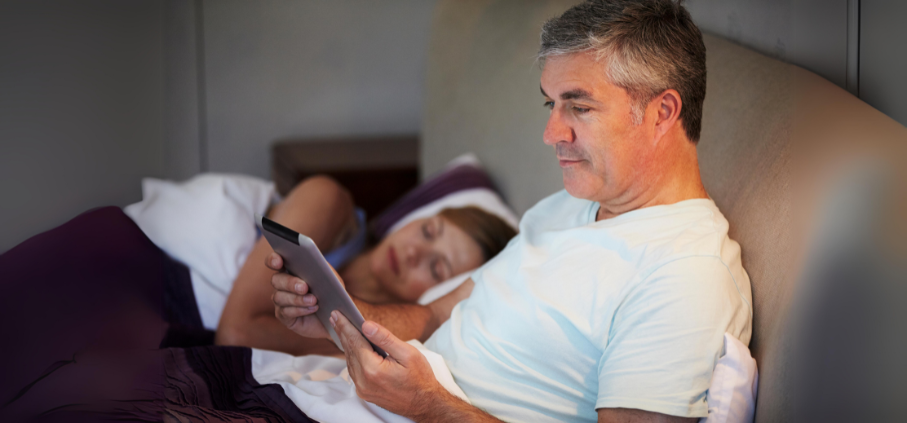
Screen Time and Sleep—It’s Different for Adults

Many of us have heard that looking at our phones or iPads at night can keep us awake due to light exposure, however, research shows this may be true for children, but there is not sufficient evidence to support this claim for adults.

“Young children have a greater sensitivity to light because more light gets to the retina of a child than an adult,” says Jamie Zeitzer, PhD, Co-Director of the Stanford Center for Sleep and Circadian Sciences. “Since adults have more opacities in their eyes and smaller pupils than children, less light passes through adult eyes, so there’s less of an effect on melatonin production.”

Melatonin is a hormone that makes us feel sleepy and is released when the eyes perceive darkness. Conversely, when we see natural light in the morning, we feel more awake because light hitting our eyes stops the production of melatonin.

Given this logic, it would seem reasonable that looking at our screens (smart phones, computers, iPads, etc.) at night could delay melatonin production and inhibit our ability to fall asleep, but Dr. Zeitzer says this is not the case.

While darkness enables melatonin production, suppressing melatonin production works by the brain comparing the amount of light we receive during at night with how much we received during the day. It’s the shift from light to dark that cues the release of melatonin, which is why we start to feel sleepy after the sun goes down.

Since natural sunlight emits 10,000-100,000 lux of light and phone screens emit 25-50 lux under usual conditions at night, Dr. Zeitzer says the light from our screens doesn’t have much of an impact on the melatonin cueing process.

“There just isn’t that much light coming from your phone,” says Dr. Zeitzer. “As long as you go outside during the day and get exposed to the intensity of natural light then the amount of light from a screen in the evening most likely won’t halt the production of melatonin.”

If it’s Not Light, What Keeps us Up at Night?

Rather than light exposure, Dr. Zeitzer believes that what is keeping us awake is what we are watching on our screens. Millions of Americans stay awake at night scrolling on social media looking at page after page of emotionally activating content and writing posts that lead to likes, comments, and followers. Others stay up to play games on their phones or computers, all of which stimulate the dopamine reward system in the brain, which is the basis of addictive behaviors.

“In the past, when a television show ended, you turned off the TV and went to sleep because there was nothing else to do,” says Dr. Zeitzer. “But now you could watch Netflix, look at apps or play computer games all night because this entertainment has been commodified to engaged with it for as long as possible; it’s optimized to never stop playing and this is causing sleep deprivation.”

When watching screens before bed, Dr. Zeitzer recommends that we not only avoid content that could be distressing, but also content that could stir excitement within us.

“In order to fall asleep, we need to reduce stimuli exposure and calm our mind and body,” says Dr. Zeitzer. “Even if you’re watching something positive, if it stirs excitement, the brain will release dopamine, and over time we can develop a dopamine addiction, making staying awake playing games or on social media much more fun that going to sleep.”

Lastly, Dr. Zeitzer says that he can’t make a general statement that nighttime screen use negatively affects everyone’s sleep. For some, their addiction to games or apps could make falling asleep a challenge, while others may watch soothing nature videos on their phones to help them relax and fall asleep. Therefore, Dr. Zeitzer suggests that you take note of how screens are impacting your sleep health by asking yourself these questions:

  • Is the content of your screen time making you feel distressed or excited? If yes, then you should not look at screens for about an hour before bedtime to calm the mind and body and prepare for sleep.
  • Also, do you engage with screens throughout the night when you could be sleeping? If so, you may have a dopamine addiction that is making screen time activities more enjoyable than sleep.

By Mary Grace Descourouez, MS, NBC-HWC

How to Build Your Own Centenarian Decathlon


We all know about the Olympic Decathlon (ten track and field events held across two consecutive days), but have you heard about the Centenarian Decathlon?

Stanford alumni Peter Attia, MD, coined the term Centenarian Decathlon as the ten physical tasks you want to be able to do at age 100 (or in the final decade of life).

Everyone’s list is likely different, but the following is Dr. Attia’s personal list from his book Outlive. The list includes both common exercises as well as functional movements and lifestyle actions that most of us take for granted in middle age.

Dr. Peter Attia’s Centenarian Decathlon:

  1. Hike 1.5 miles on a hilly trail
  2. Get up off the floor using a maximum of one arm for support
  3. Pick up a 30-pound child from the floor
  4. Carry two five-pound bags of groceries for five block.
  5. Lift a 20-pound suitcase into the overhead compartment of a plane
  6. Balance on one leg for 30 seconds with eyes open. (Bonus: eyes closed for 15 seconds)
  7. Have sex
  8. Climb four flights of stairs in three minutes
  9. Open a jar
  10. Do thirty consecutive jump-rope skips

“There is a difference between lifespan and healthspan. Lifespan is the number of years you’re on this planet, but healthspan is the number of years that you’re healthy—being able to live independently and partake in activities you enjoy,” says Jonathan Bonnet, MD, MPH, and Clinical Associate (Affiliated) Professor at Stanford University School of Medicine. The Centenarian Decathlon requires a thoughtful analysis of what ‘health’ means for you as you age. Creating a personalized Centenarian Decathlon can serve as a powerful motivator and will help inform what types of exercises need to be done now in order to achieve those goals in the future.”

 Creating your own Centenarian Decathlon

Think about what you value in life. Is it being able to play with kids or grandkids? Traveling? Hiking? Sailing? Creating delicious meals in the kitchen? Identifying what is most important in your life will inform which activities will be on your personal Centenarian Decathlon.

“When creating your list of 10 functional activities, pair them with exercises that cultivate the type of abilities you would need to enjoy the activities you love,” says Dr. Bonnet. “For example, if you want to be able to play with a grandchild, being able to ‘lift 30 pounds from a squat position’ would be a valuable objective, as it would mimic picking up a small child from the floor.”

Here are examples of activities and values for a Centenarian Decathlon.

If you:

  • Enjoy bike rides with your spouse – Ride a bike for 1 hour.
  • Live in the snow and value being independent – Shovel snow off a driveway.
  • Enjoy playing golf with friends – Play 18 holes of golf.
  • Enjoy walking your dog – Walk 10,000 steps in a day.
  • Enjoy international travel – Lift a 20-pound suitcase into the overhead compartment. Climb 30 stairs without stopping.
  • Enjoy cooking – Lift a cast iron skillet with one hand. Carry two five-pound bags of groceries up four flights of stairs. Open a jar.
  • Enjoy being in nature – Hike up a steep hill for 10 minutes, operate a kayak, or whatever your favorite outdoor activity is.
  • Enjoy swimming in a pool – Tread water for 10 minutes. Get out of a pool without a ladder.
  • Enjoy dancing with your family in the kitchen – Perform 30 jumping jacks in one set for aerobic endurance.
  • Enjoy playing with children – Deadlift 30 pounds (to lift a young child from their crib or the floor). Get up off the floor using only one arm for support.

Lastly, it’s important to include activities that meet the following four fitness goals, which are important for healthy aging.

Fitness Goals Important for Healthy Aging:

1) Build muscle strength by doing activities such as:

  • Perform 10 push-ups in one set.
  • Perform 20 squats in one set.
  • Perform 10 bicep curls with 20-pound weights.

2) Cultivate stability, flexibility, mobility, and balance by doing activities such as:

  • Complete 30 minutes of Yoga or Pilates.
  • Walk up and down stairs with feet pointed perfectly forward (this is a sign of good ankle mobility).
  • Do a plank in perfect form for one minute (any core workout).

3) Increase maximal aerobic capacity (i.e., VO2 max or maximum oxygen consumption)

You can increase VO2 max with interval workouts where you give roughly 90 percent effort for a short amount of time (ideally 3-5 minutes), followed by a recovery period. Shorter intervals can be used initially to increase VO2 max, however, the duration of sessions should be increased for optimal results.

Examples include:

  • Perform 30 jumping jacks in 40 seconds, followed by 30-40 second recovery period (work up to repeating 6 times).
  • Perform 3 minutes of stair climbing, followed by a 3-minute recovery (work up to repeating five times).
  • Perform 4 minutes of interval running followed by a 4-minute recovery (work up to repeating)

4) Improve aerobic efficiency

You can improve aerobic efficiency with longer duration, steady state physical activity. These workouts are done at a much lower intensity, where you can hold a conversation, but not sing a song. The absolute intensity will vary depending on fitness, but could include activities, such as:

  • Walking 3-4 miles in 1 hour
  • Jogging for 30 minutes while maintaining a conversation
  • Riding a bike for 45 minutes at a 12-14 mph pace

“Each of these areas is important, though having a high VO2 max will generally allow one to do most things on a Decathlon list. If you can jog, that means you can hike. If you can hike, that means you can walk for three miles. If you can walk for three miles, you can likely go up a flight of stairs, and so on,” says Dr. Bonnet. “It’s not that VO2 max is magical by itself, it’s that it requires a certain amount of strength, stability, and aerobic efficiency to be able to attain a high VO2 max level.”


Now, take a moment to make YOUR list of 10 activities you’d like to do when you’re 100 (or in your final decade). Be sure to have a mix of strength, stability, VO2 max, and aerobic efficiency activities. Add a column to the right to note why this activity is valuable to you.

For example, at age 100, I want to:

  • Deadlift at least 50 pounds | in order to pick a suitcase up off the ground
  • Do a body weight step up | in order to be able to get up off the floor unassisted
  • Climb 4 flights of stairs in 3 minutes | in order to walk independently (e.g., hike up a hill, walk up a broken escalator at an airport, etc.) without requiring an elevator or ramp
  • Walk 2 miles in 1 hour | in order to walk my dog every evening

Continue until you’ve reached 10 activities.

Centenarian Decathlon is a Framework for Longevity

Now that you have your list, you need to make a plan regarding how you’re going to achieve the 10 goals listed on your personal Centenarian Decathlon. Since we naturally lose strength and aerobic capacity as we age, whatever it is we want to be able to do at age 100, we need to be doing much more now.

In his book, Dr. Attia writes: “Over the next thirty or forty years, your muscle strength will decline by about 8 to 17 per­cent per decade—accelerating as time goes on. So, if you want to pick up that thirty-pound grandkid or great-grandkid when you’re eighty, you’re going to have to be able to lift about fifty to fifty-five pounds now. Without hurting yourself. Can you do that?”

It’s time to ask ourselves, if we want to attain these 10 goals, what daily actions must we do now to get there?

Look at your list of 10 activities and add a column: What do I need to do now to be able to do this activity at age 100? Include the area of fitness and be sure all four areas are addressed at least once in your list of 10.

Note: a general rule of thumb that can be used to estimate approximate strength loss over 50 years is that the load at age 40 should be roughly 150 percent of what the intended goal is at 90 years old.

For example, at age 100, I want to:

  • Deadlift 30 pounds | in order to pick up a suitcase off the ground | so, now I need to deadlift 75 pounds (muscle strength)
  • Do a body weight step up | in order to be able to get up off the floor unassisted | so, now I need to do a step up holding dumbbells equal to 50 percent of my body weight (stability, balance, flexibility, mobility, muscle strength)
  • Climb 4 flights of stairs in 3 minutes | in order to walk independently (e.g., hike up a hill, walk up a broken escalator at an airport, etc.) without requiring an elevator or ramp | so, now I need to do climb 10 flights of stairs in 3 minutes (VO2 max)
  • Walk 2 miles in 1 hour | in order to walk my dog every evening | so, now I need to walk 5 miles in 1.5 hours two times per week (aerobic efficiency)

Continue until you’ve reached 10 activities.

Revisit this list every five years to update the column: Am I on track? What do I need to do now to be able to do this activity at age 100?

There you have it! Now you have a personalized framework for longevity and a specific pathway to win your very own Centenarian Decathlon. Be sure to take out this list on your 100th birthday and try out each activity!

“Having a personalized Centenarian Decathlon is valuable because it translates activities that matter most to you into tangible metrics that can be tracked over time,” says Dr. Bonnet. “While we may not be competing for a gold medal at the Olympics, the Centenarian Decathlon promises something better. A lifetime of being able to do the things we love with the people (and pets) that matter most.”

By Sharon Brock, MEd, MS

Olympic Swimmer and Psychiatry Resident Andi Murez, MD, Shares Her Mindset for Success

“I’m going to Paris!” says former Stanford University swimmer Andrea (Andi) Murez, 32. “I’m so excited. It’s only a month away, and I have so much to do.”

This summer is not Murez’s first time on the Olympic stage. Paris will mark her third time competing as a sprint freestyle swimmer in the Olympic games. One year after graduating from Stanford in 2013, she moved to Israel to swim professionally for the national team. Murez has trained with Team Isreal for the past ten years, competed in the Rio 2016 and Tokyo 2020 Olympics, and now has her sights on Paris.

Swimming is not the only way Murez spends her time. She was pre-med at Stanford and then attended medical school at Tel Aviv University. She graduated from medical school in the spring of 2023 and will attend a residency program in psychiatry at the Mayo Clinic in Minnesota later this summer—after she competes in the Olympics. She plans to specialize in sports psychiatry and work with mental health among Olympic athletes.

How Does She Do It?

Most people would consider competing in the Olympics or graduating from medical school and being accepted into a prestigious residency program enough. However, it takes an exceptional human being with superhuman coping skills to achieve two elite-level accomplishments simultaneously.

Along with taking deep breaths to calm her nerves, Murez shares many lessons she learned in her twenty-plus years of competitive swimming that she applies to achieve success outside the pool.

Time Management

Whether the goal is to perform on race day or an important exam, Murez manages her time by breaking the goal down into smaller tasks and focusing on what she needs to accomplish that day. This strategy calms her nerves since the shorter to-do list is less overwhelming, and her confidence builds when she meets her daily goals. She also writes in her journal every night to solidify her daily accomplishments and reflect on how she can improve. Then, when race or exam day arrives, she reassures herself that she has done everything possible to prepare.

Murez also manages her time by balancing swimming and studying and finds that each endeavor supports the success of the other. “There are definitely times when doing both is stressful, but I’ve learned from a young age how to balance school and swimming,” she says. “Even though the workload for each got more intense year after year, I’ve realized they help each other. For example, after a long day of medical studies, I had to swim to stay in shape for the next Olympics—and exercise is a good way to relieve stress. And vice versa. When I overthink about swimming, I can get stressed out, so school allows me to focus on something else and use my brain in a different way.”

Perseverance

Murez found that many of her medical school classmates got frustrated and impatient during intense study periods. They found it challenging to persevere through the academic rigor of medical school when they could not yet see the reward for their efforts.

However, due to her experiences as a competitive swimmer, Murez understood that hours and hours in the pool pays off on race day. This understanding of delayed gratification helped her persevere through the all-nighters of medical school.

“The Olympics only happens every four years, so the hours of training can’t just be about race day—that’s too much pressure. You’ve got to have perspective; you’ve got to enjoy the process day in and day out,” says Murez. “Dealing with pressure and staying motivated and not quitting during intense periods are skills I learned from swimming that I didn’t even know I had until I realized that others didn’t have those skills.”

Stay in Your Lane

It’s natural to be intimidated by intense competition. Over the years, Murez has learned to cultivate habits of positive self-talk, not comparing herself with other swimmers, and maintaining focus on her own progress.

“If you have bad thoughts just before the race, it can totally change the outcome. If I think, ‘That swimmer next to me looks so strong,’ I’ve learned to tell myself, ‘But, I’m strong, too,'” says Murez. “It’s important to remember that whether you win or lose, it’s not all in your control. There are the other competitors and how well they will perform, but they are also dealing with their nerves and doubts. Figuring out how to focus on your own race is really important.”

On the rare occasion that Murez misses her mark, rather than indulging in comparison and self-deprecation, she motivates herself with curiosity about the next steps to improvement.

“Instead of driving my ambition with force, I let my curiosity drive me,” says Murez. “I continually ask myself, ‘There are always ways to improve—how can I do better next time? How far can I go with this sport?’ After ten years of swimming professionally, I’m grateful that I’m still in this sport, I’m still succeeding, and I still love it.”

Mental Health Among Athletes

In the last four years, athlete mental health has become more accepted and less stigmatized. At the Tokyo Olympics, Michael Phelps and Simone Biles raised awareness about the importance of mental health among elite athletes. Murez hopes Paris Olympians will feel empowered to discuss their mental health struggles and how they overcame them.

Murez is also working with Stanford Lifestyle Psychiatry physicians to create a mental health survey that Olympic athletes must pass in order to compete. Murez is translating the survey into Hebrew to serve athletes in Israel.

“Getting an annual mental health check is just as important for Olympic athletes as the physical exam,” says Murez. “It’s important to have these conversations and raise awareness that elite athletes are human beings that have mental health struggles, too.”

In the future, Murez is on track to becoming a sports psychiatrist to help elite athletes manage stress and improve their mental health. She plans to encourage athletes to have balance in their lives and engage in activities other than their sport. “If I didn’t make Paris, I was also excited about starting residency. I think having a plan B if plan A doesn’t work out is good for athlete mental health,” she says.

Murez will also advise athletes to create a solid support system, such as mentors, coaches, family, and friends.

“When I’m stressed, along with taking deep breaths, finding perspective, and staying grateful, I also lean on my support system,” she says. “When I talk to my parents, they remind me that I’m not just a swimmer—I’m a complete person, and I’m not defined by the outcome of a race. They remind me that no matter what happens, I’m still Andi on the inside. I’m still that little girl who wants to jump in the pool and race.”

By Yasaman Nourkhalaj

What are Exercise Snacks and Why are they Important?

We all enjoy a healthy snack like nuts and fruits or a less nutritious option like chips and sweets between our main meals, but have you ever heard of an exercise snack?

“Exercise snacks are short bouts of movements, anywhere from 30 seconds to five minutes, that don’t require going to the gym or any prep work. They are snacks, not meals,” says Marily Oppezzo, PhD, certified personal trainer and head of Stanford Lifestyle Medicine Healthful Nutrition pillar. “They can be anything that gets your heart rate up to a vigorous level–like jogging up the stairs at work or doing 20 jumping jacks–and you can accumulate vigorous activity multiple times throughout the day.” 

Exercise snacks are ideal for busy people. In our fast-paced lifestyle, it is challenging for many people to find the time to go to a gym and complete a formal workout. Exercise snacks offer an alternative way for busy folks to get their heart rate up and experience health benefits without changing their clothes or breaking a sweat.

Additionally, research shows that exercise snacks performed throughout the day may be more beneficial than a one-hour stint at the gym after sitting all day.

What Are Examples of Exercise Snacks?

If you have two minutes in your workday to get a snack from the refrigerator, you also have two minutes to do an exercise snack. Dr. Oppezzo explains, “Exercise snacks aren’t just a two-minute leisurely walk break. You’ll want the one-to-five-minute workout to elevate the heart rate to a point where it becomes hard to speak in complete sentences.”

Below are some examples of exercise snacks that Dr. Oppezzo recommends:

  • Instead of taking the elevator or walking up the stairs at work, jog up the flights.
  • Do 30 seconds of jumping jacks and 30 seconds of push-ups, repeating for two minutes while your food is warming up in the microwave.
  • Do one minute of burpees in the middle of your workday. If you cannot jump due to joint pain, here are instructions for walking-back burpees: put your hands on the back of a chair, step back, do a push-up, step forward, come to a squat and then reach for the sky. Repeat.
  • Do three minutes of the “Pet the Puppy” exercise. Instructions: stand up with feet hip-width distance, squat down, and pet an imaginary puppy; stand up, take a high knee step over the imaginary puppy with one leg followed by the other; squat down again and pet the puppy on the opposite side. Repeat petting and stepping (or jumping) over the puppy on the both sides.
  • High-knee march or jog in place, driving also with your arms, while your coffee is brewing.
  • Enjoy five minutes of Zumba on YouTube during your lunch break.

“With my clients, I’ve observed that becoming breathless with three or four exercise snacks throughout the day can sometimes be more stress-reducing than doing one longer workout and sitting the rest of the day,” says Dr. Oppezzo. “After raising your heart rate through exercise, your body has to kick into ‘calm down’ mode and exercise snacks give your body an opportunity to calm down multiple times throughout the day.”

Dr. Oppezzo is currently working on several exercise snack research studies. One is comparing breaks of walking and strength breaks throughout a sedentary day, and the other is helping identify the best ways to help people build exercise snacks as a habit.

Most people understand that many hours of sitting can be a health risk, but rather than focusing on total hours of sitting per day, Dr. Oppezzo recommends that we think about the number of hours we sit continuously without large muscle group movements. Therefore, she recommends a two-minute exercise snack every few hours of sitting. “We don’t know the optimal cadence of taking a break–every hour is easy to remember, but it’s not practical for many people,” says Dr. Oppezzo. “I would aim for taking a break every couple of hours, and try to make a few of your breaks heart-pumping exercise snacks.”

What Are the Benefits of Exercise Snacks?

Exercise snacks offer numerous health benefits, including improved cardiovascular health, muscular strength, and cognitive enhancement. This review article of several studies on exercise snacks showed significant benefits on cardiorespiratory fitness, including decreased total cholesterol, increased oxygen consumption, and overall cardiovascular function. A prospective cohort study, which follows and measures people over a long period of time without giving them a particular intervention, found that participants who self-reported three-to-four minute incidental (or non-intentional) short bursts of physical activity throughout the day had a 31 percent reduced risk in physical-activity related cancer incidence, especially in adults who did not regularly exercise.

“People think they have to go to the gym and kill themselves every day to get a health benefit. They think you need to ‘go big or go home,’ but the research shows that 60 seconds of vigorous movement still counts,” says Dr. Oppezzo. “We make exercise too complicated, but it doesn’t have to be. Rather than seeing exercise as an obligation or a chore, we can use exercise as a tool to manage stress and feel better. We can keep it simple with exercise snacks.”

By Sharon Brock, MEd, MS

Recommended Exercises for Adults 50+

Key Takeaways:

Adults 50+ should choose exercises that promote these three aspects of fitness: strength, endurance, and balance.

Stanford researchers analyzed the benefits and risks of the following exercises:

  • Pilates
  • Martial Arts (e.g., Tai Chi, Karate, Taekwondo)
  • Walking
  • Running
  • Masters Athletics (i.e., team sports for adults)
  • Resistance Training (e.g., exercise machines, free weights, elastic bands)
  • High-intensity Interval Training (HIIT)

It is well known that exercise is crucial for overall health; however, as we age, it’s essential to know which exercises are best to increase longevity and quality of life. For older adults (defined as 50 and above), the three main goals regarding physical activity are to build muscular strength, improve cardiorespiratory endurance, and increase flexibility and balance to reduce the risk of falling. Stanford researchers reviewed studies on several types of exercises to assess which were most suitable and effective for older adults to achieve these goals.

“It’s important to maintain a consistent exercise regimen in midlife and beyond,” says Matt Kaufman, MD, Stanford Physical Medicine and Rehabilitation resident and one of the authors of the review. “Many factors contribute to decreased activity as we age, whether it be pain, time constraints, complacency stating they haven’t done exercise recently. Sometimes, there is a fear of getting hurt or embarrassment when starting a new exercise routine, which can also be a major barrier for older adults to start exercising. With the various exercises we cover in this review, we hope readers will be inspired to choose one they enjoy and start moving.”

With so many types of exercises to choose from, it can be overwhelming to know where to begin. Reviewers assessed whether activities required equipment, were high or low impact, and if they were practiced in a social setting. The purpose of the review was to define the benefits, risks, and recommendations for these exercises that are popular among older adults: Pilates, martial arts, walking/jogging, running, Masters Athletics, resistance training, and high-intensity interval training (HIIT).

Low-Intensity Exercises for Adults 50+

Pilates

Given the social nature of group classes, Pilates has become a popular exercise for older adults. Joseph Pilates created the exercise in the 1920s, and it has been shown to improve dynamic balance, hip and lower black flexibility, lower extremity muscle strength, and cardiovascular fitness. Caution is advised for those with osteoporosis, osteopenia, or discogenic pain and those with Parkinson’s disease, baseline postural instability, or dysautonomia.

Recommendation: 40- to 50-minute mat or apparatus Pilates sessions, three to four times per week.

Martial Arts

Martial arts include a variety of mind-body exercises that improve flexibility, mobility, endurance, and balance.

Tai Chi

Tai Chi, which involves breathing exercises accompanied by slow body movements, has been shown to improve cardiorespiratory fitness, increase muscle strength and balance, and decrease frequency and fear of failing.

Recommendation: 45- to 60-minute Yang-style Tai Chi sessions, several days per week, over a minimum eight-week duration.

Traditional Japanese Karate

Traditional Japanese Karate, a mind-body exercise focusing on mindfulness and effective use of bare hands for combat or self-defense, showed improvements in walking speed, motor reaction time, strength, and balance.

Recommendation: 60-minute sessions, twice per week, for more than 10 months.

Hard Martial Arts

Hard martial arts, such as Taekwondo, involve contact of the body against another person. Along with the benefits seen in other martial arts (increased strength, endurance, mobility, flexibility, and balance), hard martial arts have been shown to decrease cognitive decline.

Recommendation: 60-minute sessions, twice per week, for more than 10 months.

Walking

For many, the most accessible exercise is walking outdoors, which offers benefits in balance, muscular strength and endurance, and cardiorespiratory fitness.

Recommendation: 30- to 60-minute brisk walking sessions several times per week.

High-Intensity Exercises for Adults 50+

Running

Like walking, running is easily accessible and improves balance, muscular strength and endurance, and cardiorespiratory fitness. However, because running has a higher impact than walking, it poses a greater risk of injury to the bones and joints of the lower body.

Recommendation: 30- to 60-minute running sessions several times per week.

Masters Athletics

Joining a team sport as an adult can have many benefits, such as improved balance, muscle strength and endurance, and cardiorespiratory fitness. Since this modality is a team sport, it also offers the opportunity for social engagement, which typically leads to greater adherence. The downside is that Masters Athletics are not as accessible as most exercises because they may be difficult to find or costly.

Recommendation: Join a local team for a sport you enjoy!

Resistance Training (i.e., exercise machines, free weights, elastic bands)

Extensive data suggest resistance training is the most effective exercise to improve skeletal muscle mass, strength, and physical function. Additional benefits of resistance training in older adults include gait speed, balance, cardiovascular fitness, and decreased fall risk.

Recommendation: 1-hour session twice per week. Consultation with a trainer may be appropriate to avoid injury.

High-Intensity Interval Training (HIIT)

HIIT, characterized by brief intermittent bouts of high-intensity aerobic exercise (such as sprinting during a walk or bike ride, or taking a HIIT group fitness class), has shown increased muscle building, power, and cardiorespiratory fitness. HIIT is a time-efficient exercise that considerably increases aerobic capacity despite its low time commitment. Since HIIT requires near-maximal effort in short bursts, it is recommended that HIIT be supervised to prevent injury.

Recommendation: 20- to 30-minute sessions twice per week. Each session should include six one-minute high-intensity bursts of effort.

“I often recommend some form of resistance training for my patients, whether in a gym or at home. These exercises can help build muscle and prevent falls,” says Dr. Kaufman. “I also recommend Masters Athletics since they have the added benefit of a sense of community that makes exercise more enjoyable and helps keep you accountable.”

Conclusion

Reviewers found similarities in fitness benefits depending on whether the exercise was low- or high-intensity. Lower-intensity exercises (Pilates, martial arts, and walking) significantly increased flexibility, balance, and endurance. Whereas, higher-intensity exercises (running, Masters Athletics, resistance training, and HIIT) showed greater improvements in cardiorespiratory fitness, muscle building, and strength.

“When creating an exercise regimen, I recommend engaging in both low- and high-intensity exercises every week. This could look like taking an hour walk every morning along with hiring a trainer at the gym for weekly weightlifting sessions, or taking a Pilates class every week along with your regular HIIT classes,” says Dr. Kaufman. “Ultimately, the best exercise regimen is something you will stick with. Whether it is one form or multiple forms of exercise, what is most important is that you are consistently active!”

By Sharon Brock, MEd, MS

Stanford Lifestyle Psychiatry Clinic


Top Recommendations for Brain Health as we age:

  1. Physical exercise – both aerobic and resistance training
  2. Healthful nutrition – fresh, fibrous whole foods
  3. Cognitive engagement – educational achievement and continued engagement in cognitively challenging and meaningful activities

The Stanford Lifestyle Psychiatry Clinic offers holistic psychiatric care, psychotherapy, nutritional counseling, medication management, mind-body practices, and health-and-wellness coaching. The clinic is different from other psychiatric facilities in that it offers lifestyle interventions (including exercise, nutrition, yoga, mindfulness, and sleep optimization) as primary modalities for mental health management, in addition to medication and psychotherapy.

“The clinic is for patients who prefer to take an active role in their healing by adding lifestyle practices to their treatment plan, rather than take the passive route of just taking medication,” says Douglas Noordsy, Founder and Director of the Stanford Lifestyle Psychiatry Clinic. “Patients should be interested and motivated to implement lifestyle practices in their daily life to acquire skills they can continue to use to take responsibility for their mental health.”

The clinic also offers rising mental health care professionals opportunities to train in lifestyle psychiatry and incorporate lifestyle interventions into medicine at Stanford and worldwide.

Focusing on Collaboration

Care in the Lifestyle Psychiatry clinic begins with a comprehensive assessment of past and current behaviors related to the patient’s health and well-being. The health provider identifies which behaviors may have contributed to the patient’s mental health symptoms and offers treatment options that may include medications, psychotherapy, and lifestyle interventions.

The provider then collaborates with the patient to review the potential advantages and disadvantages of a menu of lifestyle interventions. Together, the provider and patient create a treatment plan that sets manageable goals and promotes healthy behaviors. With ongoing sessions, the provider and patient continually revise the plan until the patient achieves the desired results.

“When working with patients, we offer a menu of lifestyle interventions, and they choose which option they would like to use,” says Dr. Noordsy. “With this shared decision-making approach, patients are more engaged and have a greater sense of ownership regarding their health. I’ve found that when lifestyle interventions are part of the treatment plan, patients feel more confident about managing their mental health and are likely to achieve better outcomes.”

Faculty at the clinic investigate various lifestyle practices to discern which are most effective for specific psychiatric conditions. For example, research shows that physical exercise results in increased brain activity by signaling neurons to form synapses (connections among brain cells). Also, brain imaging reveals that regular exercise causes critical areas of the brain to grow larger in volume. Increasing brain activity and volume is particularly supportive for those with schizophrenia and bipolar disorder.

“Neurotrophic factors released during exercise tell your brain, ‘It’s time to wake up; we are out of hibernation and into activity mode.’ This increased activity in the brain is especially beneficial for people with bipolar and schizophrenia who have impairment in the activity of certain parts of the brain as well as loss of brain volume,” says Dr. Noordsy. “Also, brain regions grow larger due to physical exercise, and a larger brain is healthier whether or not you have a brain disorder.”

Lifestyle Psychiatry and Depression

To treat depression, Dr. Noordsy explains that taking a standard antidepressant medicine could help decrease depression faster than a lifestyle intervention such as exercise but may not be effective over time. Also, patients often experience a flatness of emotion and sexual side effects from antidepressants.

Physical exercise is typically on the treatment plan for patients with depression because it releases neurotransmitters involved with mood and well-being, such as dopamine, norepinephrine, and serotonin. Although physical exercise may take longer to decrease symptoms of depression, this intervention has a more lasting effect. Additionally, exercise positively affects fatigue, cognitive function, heart health, and overall health.

“When lifestyle interventions are effective, patients often reduce the dose of their medication and sometimes come off of it entirely. This can be an ideal way to minimize medication side effects,” says Dr. Noordsy. “Ultimately, if a patient’s desired outcomes are a greater sense of well-being and greater ability to function in the world, then lifestyle interventions are the best way to get there.”

For some patients, their symptoms are so severe that they struggle to adopt lifestyle interventions such as regular exercise or optimal sleep without using medication.  In these cases, Dr. Noordsy prescribes an antidepressant to get them moving. Over time, as the amount of exercise, healthy nutrition, and mindfulness practice increase the patient may get to a point where symptoms are manageable and they can decrease medication dosage to minimize side effects.

Yoga and Mind-Body Practices in Psychiatric Care

Along with psychiatrists, the clinic’s team of providers includes a health-and-wellness coach and two psychologists trained in Stanford’s therapeutic yoga program, YogaX, which aims to bring yoga and mind-body practices into healthcare. With a full range of expertise, the clinic provides multidisciplinary care across the pillars of Lifestyle Medicine.

YogaX instructors are trained psychologists who promote the science and application of therapeutic yoga. YogaX offers yoga teacher training tailored to healthcare providers who want to bring yoga practices and philosophy to their patients. YogaX also provides free yoga and wellness classes for the public on its YouTube channel.

In the future, Dr. Noordsy will continue to train mental healthcare professionals in the value and application of lifestyle medicine in psychiatry. In this training, he emphasizes the importance of educating patients about the research behind the recommendations. For example, he believes that if patients know about the evidence-based mental health benefits behind the yoga intervention, they are more likely to engage in a regular yoga practice.

“I’d love to see the day where every psychiatrist offers lifestyle interventions as part of their treatment plan,” says Dr. Noordsy. “Whether it’s a weekly yoga group, eating salads for lunch, or taking daily walks in nature, seeing their psychiatrist for regular care is just one of many things the patient is doing for their well-being.”

***For more information or to schedule an appointment at the Stanford Lifestyle Psychiatry Clinic, please call (650) 498-9111.

By Sharon Brock, MEd, MS

Sean Spencer, MD, PhD is a Gastroenterologist and Physician Scientist at Stanford University School of Medicine. Along with seeing patients in the clinic, Spencer conducts cutting-edge research on the microbiome in the Sonnenburg Lab. In his research, Spencer focuses on how nutrition affects the microbiome and the immune system, as well as how our diet can prevent and treat gastrointestinal disease and potentially increase longevity.

“There’s a clear association between the microbiome and healthy aging. Studies of centenarians show a different microbiome configuration and metabolite production compared to those with a shorter life span and unhealthy aging,” says Spencer. “The microbiome is a key aspect of lifestyle medicine because what we eat and how we exercise affects our microbiome composition.” 

 The Medical Path

 Growing up amidst the rich agricultural tradition in Madison, Wisconsin, Spencer learned from an early age the importance of nutritious food for optimal health. As an undergraduate at the University of Wisconsin, Spencer majored in medical microbiology and immunology, and knew since his sophomore year that he wanted to practice medicine.

“After taking a human physiology course, I just knew that learning as much as I could about the human body and using that knowledge to help people was the only thing I wanted to do,” says Spencer. “As an undergrad, I also discovered that I could conduct research while caring for patients, and that clarified my career path further.”

These career goals prompted Spencer to pursue an MD-PhD program in immunology at the University of Pennsylvania, which he completed in 2015.

“In graduate school, I realized how our diet has a profound impact on the microbiome, and can directly influence the immune system,” says Spencer. “You want to think of the three aspects [nutrition, microbiome, and immune system] at the three corners of a triangle. They each impact the other.”

After completing an internal medicine residency at the Harvard-affiliated Massachusetts General Hospital, Spencer came to Stanford in 2017 for a fellowship in gastroenterology (GI).

“I came to Stanford specifically to work with Justin Sonnenburg, so it was great to be accepted to both the GI clinical program and his lab,” says Spencer. “What I love most about Stanford are the people and the creativity. This focus on the microbiome and nutrition is unique to Stanford and I’m glad to be part of a community that thinks about lifestyle medicine in both research and clinical care.”

Living His Dream

For the last three years, Spencer has been a practicing, board-certified GI physician at Stanford Medicine and a researcher in one of the most prestigious microbiome labs in the country. Spencer lights up when he talks about his current research on the small intestine microbiome:

“Most microbiome studies look at poop, which represents the very end of the GI tract, but the small intestine is 20 feet long, and researchers have sampled almost none of it,” says Spencer. “We’ve developed a novel technology to sample and investigate the microbiota [bacteria] of the small intestinal microbiome, which has been a huge blank space for the longest time.”

The small intestine is where many nutrients, including glucose, are absorbed into the bloodstream. Since high glucose levels are linked to diabetes and obesity, Spencer believes this research will potentially lead to the development of therapies to be used alongside lifestyle medicine, to enhance its benefits, for individuals with these medical conditions.

Spencer also studies hormones in the small intestine, such as Glucagon-like peptide-1 (GLP-1), which is the hormone targeted in the popular weight-loss drugs Ozempic and Wegovy. “The new GLP-1-targeted medications are powerful and amazing drugs, but it’s important to recognize that we have the power to regulate these hormonal pathways with our diet and lifestyle choices,” he says.

Although his work in the lab is a source of fulfillment, Spencer also enjoys bringing his research findings directly to his patients as a GI physician. Spencer is able to offer this bench-to-bedside level of care since he attained both a medical degree and a PhD in immunology.  

“I’m most proud that I have the skillset to listen to patients and identify what they need clinically, and then do the research to fill in the gaps and conduct clinical trials to develop new therapies to help them,” says Spencer.

Looking to the Future

Spencer’s future plans are to work in a clinical setting where he can continue to see GI patients and perform clinical trials on nutrition-microbiome-immune research. Studies from the Sonnenburg lab he would like to continue are testing the anti-inflammatory effects of fermented foods, which help treat food allergies, and the mechanisms by which our diet, microbiome, and immune system impact each other.

Regarding patient care, Spencer takes a “food is medicine” approach and plans to conduct more research to back up that message. “My future goal is to perform research that reinforces the recommendations of lifestyle medicine; to build the evidence-base for types of food that promote a healthy microbiome and prevent and treat disease,” says Spencer. “This research will help us understand what aspects of food are critical for promoting health and wellness and has real potential to offer improved dietary advice and to help our patients promote health through what they eat.”

By Sharon Brock, MEd, MS

This blog is part of our Supplements newsletter. If you like this content, sign up to receive our monthly newsletter!

“Sorry, Dad, I’ve fallen in love with Valerio and I’m not coming back,” said Marily Oppezzo, then 19, who spent the summer before her junior year of college studying art in Florence, Italy.

“Valerio? That’s absurd,” exclaimed Oppezzo’s father. “You are coming home and finishing college, young lady!”

Oppezzo followed her father’s wishes, kissed Valerio goodbye, and returned to Santa Clara University, where she jumped from one major to the next. Since the age of five, Oppezzo wanted to be a veterinarian, but then, in college, she pursued becoming an FBI agent, switched to art history while doing Pre-Med, and settled on majoring in Health Psychology with a double major in Italian (just in case).

After graduation, she continued her training by earning a master’s degree in nutritional science at San Jose State, working at the Veterans Affairs Hospital, and completing a three-year program to become a registered dietician nutritionist. In 2012, Oppezzo earned a PhD in Educational Psychology at Stanford University, with post-doctoral studies at the Stanford Prevention Research Center in Behavioral Sciences.

“Having health information is only half the battle,” said Oppezzo. “I also wanted to learn how to help people incorporate the information into their lives. If you don’t understand the psychology of building new habits, you’re just a walking textbook of information.”

Valerio’s loss was Stanford’s gain, as Oppezzo is now leading the Nutrition Pillar of Stanford Lifestyle Medicine and facilitating groundbreaking research in exercise and nutrition.

An Unexpected Emergency

During Oppezzo’s first year of doctoral studies, an astute nurse practitioner detected a heart murmur during a routine check-up. The following quarter, a Stanford cardiologist discovered several congenital abnormalities that caused her heart to pump most of her oxygenated blood from her lungs back to the wrong side of her heart. Just two weeks after the discovery, Oppezzo underwent open-heart surgery. Although she took only a quarter off from her studies, it took more than two years to recover fully.

“My cardiologist said I was lucky to still be alive at the age of 30,” said Oppezzo. “Now that I’m recovered, I deeply empathize with anyone who has to go through this. Cardiac rehabilitation was so painful.” 

Her father was there for her during this arduous, multi-year rehabilitation process. He was a health education teacher and coached football, baseball, basketball, and track at Mountain View High School. He was an inspiration to many students and believed everyone had an inner athlete with the ability to overcome life’s obstacles.

“I owe my full recovery to my family–especially my dad,” said Oppezzo. “He was my support system and my coach through my physical therapy. It was slow progress, and I got frustrated really quickly–but he was so patient and positive the whole time.”

Turning Pain into Purpose

Returning to her doctoral studies at Stanford, she added heart disease prevention and cardiac rehabilitation to her docket of interests. Also, due to her experience of post-surgery depression, she began to study mind-body modalities, such as yoga and lifestyle medicine.

Oppezzo’s holistic–but realistic–approach to health is shown in her research. Her current study on “Exercise Snacks” encourages sedentary office workers to get out of their chairs a few times per day and perform a two-minute exercise (i.e., running up the stairs or jumping jacks at their desks) for both physical and mental health.

Research shows that it only takes two minutes of high-intensity exercise to reverse negative changes found in those who sit for more than three hours at a time. Another similar study showed that running for 10 minutes three times during the day conferred similar VO2 max benefits to running for 30 minutes continuously. In her research, Oppezzo also focused on behavior change and sought to understand how to motivate people to complete these exercise snacks during their work day.

“I like to find ways to support folks who are busy. We get it in our heads that we will go to the gym and do cardio and lift weights for hours; we have these huge goals. And then we get down on ourselves when we don’t do it, and think ‘why bother’ if I can’t do it all,” said Oppezzo. “But research shows that these two-minute exercises do still count—a lot! And the bonuses are that you don’t need a shower after, and you don’t need ‘enough time’ or resources to go to a gym.”

Future Goals

 Oppezzo was recently awarded a two-year Clinician Scientist Fellowship at Stanford’s WuTsai Human Performance Alliance, where she will develop and test the “Stronger” program to help menopausal women start a muscle training practice to maintain and grow muscle mass. Oppezzo will also incorporate best behavioral science practices to empower women to start and maintain this as a lifelong “lifestyle” and improve both physical and psychological strength.

“I love working with the WuTsai and Stanford Lifestyle Medicine teams because it’s a chance for health professionals from various disciplines to come together and collaborate,” said Oppezzo. “In the future, I’d love to see more interdisciplinary collaboration in research to promote health in a more holistic way. We are more than our physical bodies—we need to look at the health of our minds and spirits, too.”

 On a personal level, Oppezzo is very close with her family, which includes her mother, sister, and nephews, all of whom live in the Bay Area. Unfortunately, her father tragically passed away from a rare disease five years ago. “My dad meant so much to me,” she said. “He beat many odds, went out on his own terms, and lived and passed as a heroic example of someone who not only loved and cared for people deeply, he also embodied and practiced all the pillars of lifestyle medicine his whole life.”

When not working, lifting weights, or hanging out with her partner and rescue dog, Oppezzo loves to escape into the mountains for backpacking trips. “You can’t get closer to capital ‘L’ life than being in the mountains,” she said. “I cherish the enormity, awe, and blissful exhaustion I get to experience there. Hiking while being surrounded by nothing but huge peaks and glass-mirror lakes, I think about my dad and feel grateful for his inspiration and presence, which stay with me, always.”