Lifestyle Medicine
  • ABOUT
    • What is Lifestyle Medicine?
    • Our Team
    • 2025 Year in Review
    • Contact Us
  • PILLARS
    • Movement & Exercise
    • Healthful Nutrition
    • Restorative Sleep
    • Stress Management
    • Social Engagement
    • Cognitive Enhancement
    • Gratitude & Purpose
  • NEWSLETTER
  • Blog
    • Articles by Pillar
    • Articles by Health Topic
    • Student Blog
  • LEARN MORE
    • Educational Programs
    • In the News
    • Lectures & Publications
    • Events
  • SPRC
  • SUBSCRIBE
  • Click to open the search input field Click to open the search input field Search
  • Menu Menu

How to Host a Gathering to Foster Meaningful Relationships

Mental Health, Social Engagement

By Nikki Molumphy

Reflect on the last time you formed a genuine friendship. It’s perfectly fine if it feels like it has been a while–the average U.S. adult hasn’t made a new friend in 5 years even though 61 percent of them say having close friends is very important to live a fulfilling life.

To meet this desire to make new friends, and help you get out of a friendship recession, we’ve created a checklist and recommendations to offer gatherings where people can make new friends and nurture old ones inspired by the book The 2-Hour Cocktail Party, How to Build Big Relationships with Small Gatherings. In this book, author Nick Gray has perfected the formula for throwing two-hour cocktail parties to efficiently and effectively create meaningful relationships. We know that hosting gatherings can be stressful–what if nobody shows up!–but if you follow the tried-and-true checklist, your gatherings are sure to be a success!

“Coffee meetings are one-on-one and take about an hour,” says Gray. “Dinner parties often have four to eight guests and can last an entire evening. But a two-hour cocktail party lets you connect with fifteen people all at once. In the time it takes to watch a movie, you can improve your relationships with a room full of people.”

Checklist for Planning a Cocktail Party, Mixer, or Happy Hour

  • Choose a Monday, Tuesday, or Wednesday evening (7 p.m. to 9 p.m.) roughly three weeks out and put the event on your calendar.
  • Gray says three weeks is the perfect “sweet spot” for preparation. It is not too far off but well enough in advance that potential guests should have some flexibility in their schedules.
  • Planning three weeks out will allow for inviting more guests if some reject your invitation.
  • Choose a platform to send electronic invitations, like Mixily, Paperless Post, or Evite, and title your party something like “Cocktails and Icebreakers to Celebrate Spring.” Construct social proof by assembling a guest list.
  • People are generally more available on weekdays, which makes it more likely they will say, “Yes.” Avoiding the “heavy-weight days” of Friday and Saturday nights also decreases the pressure.
  • Ending the party around 9 p.m. allows guests to go home early enough without feeling guilty on a work night.
  • Host the event at your home since your home is personal and allows guests to learn more about you in a casual yet in-person setting, especially in our digital age. (If your home doesn’t work for you, a park, community center, or an apartment common space are other suitable options.)
  • Standing in an open environment (such as your living room) fosters conversation among many people instead of sitting at a lengthy restaurant table that can hinder the spontaneous flow of conversation.
  • Invite roughly 15 guests.
  • Invite your “core group” first, which includes up to five trustworthy and dependable friends who will make you feel comfortable.
  • If possible, have the remaining 10 guests be people who don’t know each other. Strive to add “occupational diversity” to your guest list by inviting folks who work in various industries, allowing for potential networking opportunities.
  • Tidy up beforehand and prepare your ambiance with calming lighting and upbeat music.
  • Empty your trash bins before your party begins. If your trash bins are full early on, guests may leave their trash on tables, which results in more clutter and clean-up later on.
  • Set up your beverage area beforehand with ice, cups, and snacks in bowls. Be sure to offer non-alcoholic options and mixers.
  • Upon arrival, offer guests a name tag, which is essential in that they facilitate easy introductions.
  • On the name tag, write the guest’s first name in big, black text, and try to ensure all guests wear their name tag so that no one feels embarrassed for wearing one.
  • Plan a few icebreakers to facilitate structured interactions from the start and promote a light-hearted atmosphere. Strive for three icebreakers throughout your 2-hour party.
  • Use a bell or something unique like a harmonica to grab the attention of your guests before beginning an icebreaker.

Nick Gray’s Party Planning Do’s and Don’ts

Preparation:

  • DO: plan your gathering three weeks out so people can plan
  • DON’T: send out a formal invitation before confirming that a few key people can attend

Who to Invite:

  • DO: welcome friends, classmates, colleagues
  • DON’T: invite brand new acquaintances or high-risk business clients

Expectations:

  • DO: include information about name tags and icebreaker activities in the event description
  • DON’T: make name tags or icebreaker participation optional

Icebreakers:

  • DO: go first to set the expectation and ask the person to your side to go after you
  • DON’T: randomly call on guests to get them to engage

After you’ve thrown a few of these events, Gray says the benefits of hosting go beyond the two hours of the evening. “Because you’re the one who has the courage to bring people together, you’ll start to build your reputation as a natural connector,” he says. “You’ll get introduced to interesting people, sometimes when you least expect it. It’s one of the most surprising follow-up benefits new hosts tell me about.”

October 1, 2024/by dom-wp-admin
https://lifestylemedicine.stanford.edu/wp-content/uploads/2024/10/Blog-Images-for-Website-3-1.png 423 907 dom-wp-admin https://lifestylemedicine.stanford.edu/wp-content/uploads/2025/10/SLM_LOGO.png dom-wp-admin2024-10-01 01:19:232024-10-01 01:19:23How to Host a Gathering to Foster Meaningful Relationships

What is Social Prescribing and Why is it Important?

Mental Health, Social Engagement

By Yasaman Nourkhalaj and Sharon Brock, MEd, MS

Research has shown that social isolation not only negatively impacts our mental health but can also take a toll on our physical health. This association has piqued the attention of healthcare professionals, leading some to participate in social prescribing. Social prescribing is the act of healthcare professionals recommending that their patients put effort into engaging in more social activities, such as reaching out to family members for phone calls, striking up conversations with neighbors, or making coffee dates with friends.

Stanford Medicine psychiatrist Douglas Noordsy, MD, founder of the Stanford Lifestyle Psychiatry Clinic, often recommends social activities to his patients to improve their mental health.

“I take a collaborative approach when working with patients in the lifestyle psychiatry clinic. I educate them on the health benefits of social activities and help them choose which social activities they are motivated to engage in. It’s a shared decision-making process,” says Dr. Noordsy, Stanford Professor of Psychiatry and head of the Stanford Lifestyle Medicine Cognitive Enhancement pillar.

How Do Social Activities Improve Health?

Social connection can improve one’s overall health, well-being, and longevity. This study showed that in those with depression frequent participation in social activities improved metabolic and brain health. A cross-sectional observational study used surveys from people aged 65 and over from 16 different countries to investigate the impact of social connection through hobby engagement. The results showed a reduction in morbidity and healthcare burden, with higher life satisfaction for participants who engaged in their hobby in groups. Researchers from another study expressed how the lack of social connection can be more detrimental to health than common conditions like obesity and high blood pressure.

At the neurological level, there is evidence that experiencing positive social connections releases “feel-good” hormones in the brain, such as oxytocin and dopamine. We also know that physical exercise increases dopamine levels. So, Dr. Noordsy often recommends that his patients improve their health and well-being in a time-efficient way by engaging in physical activity that is also a social activity, such as participating in a team sport or going on a daily walk with a neighbor.

Examples of Social Prescriptions

  • A patient with self-doubt or discouraging thoughts may be experiencing some level of depression, which can become more detrimental with isolation. In this case, Dr. Noordsy recommends the patient make an effort to reach out and spend quality time with family and friends.
  • A person taking care of their elderly parents at home and isolating themselves from the rest of their community would be advised to go to a coffee shop three times a week to be around a variety of people.
  • A remote worker who feels anxious from too much alone time is recommended to work in a public place by going to a café or a shared workspace a couple of times a week.
  • Someone who is shy and struggles with communication would be advised to join a local hiking group where communication can happen while walking side by side. This prescription not only promotes social connection, but also physical exercise.

“Each patient is different. During a careful initial assessment with each patient, I assess their current lifestyle behaviors and figure out how to best integrate new lifestyle practices (such as social prescribing) into their lives. I assess which behaviors are problematic for their mental health and which behaviors might be beneficial for this specific individual,” says Dr. Noordsy. “The most important thing about social recommendations is making sure they are tailored to the individual. A person is more likely to engage in social activities of their choosing, and over time, we can track behavior changes and optimize their outcomes.”

September 30, 2024/by dom-wp-admin
https://lifestylemedicine.stanford.edu/wp-content/uploads/2024/09/Newsletter-Images.png 520 770 dom-wp-admin https://lifestylemedicine.stanford.edu/wp-content/uploads/2025/10/SLM_LOGO.png dom-wp-admin2024-09-30 23:27:532024-09-30 23:27:53What is Social Prescribing and Why is it Important?

Volunteering as a Way to Make Friends

Mental Health, Social Engagement

By Tanya Thakur, MBBS and Sharon Brock, MEd, MS

Making new friends in midlife and beyond can be challenging with our busy lives. Studies show that over a third of adults aged 45 and older often feel lonely, and nearly a quarter of adults 65 and older are socially isolated. These studies also show that social media use is not as effective as in-person interactions to reduce the experience of loneliness.

Luckily, volunteering is an activity that can increase our social circles by connecting us with people with similar interests and values. Researchers have linked volunteering with improved mental health, not only due to the feelings of social connection with the other volunteers, but also due to a boost in self-esteem that results from offering time and energy for the good of others.

In fact, according to the NHS, there are five steps you can take to improve your mental well-being, all of which are addressed with volunteering:

  1. Connect with other people
  2. Stay physically active
  3. Learn new skills
  4. Give to others
  5. Stay mindful and present in the moment

Practical Tips to Get Started with Volunteering

Ready to harness these benefits? Here are a few tips to make the most of your volunteering journey:

1) Find your passion project

As we approach a nationwide election, volunteering to support your favorite politicians is a great way to meet like-minded folks. Thanksgiving and winter holidays are also fast approaching, opening many opportunities to volunteer with churches or offer food to your community’s homeless population.

Whatever you choose, why you volunteer matters. Research shows that people who volunteer for causes they are passionate about get more out of the experience than those who aren’t. So, if you love animals, call your local animal shelter to see if they need volunteers. Or, if you love nature, team up with a volunteer group that plants trees and nurtures community gardens. In any case, take some time to reflect on what you deeply care about and seek out organizations that serve that cause.

To help you find a great fit, here are links to credible registries of volunteer opportunities:

Volunteer Match

Volunteer.gov

United Way

Red Cross

2) Start small and gradually build

Studies show that older adults experience reduced loneliness when volunteering more than 100 hours per year. If this number seems like a lofty goal, start small and local — commit to only a couple hours per week at a convenient location, then gradually increase your involvement as you become more comfortable. This approach will help ensure long-term ease in attending activities and maintaining your commitment.

3) Be consistent

You can make your experience more meaningful by opting for a volunteering job where you meet up with the same people regularly. Having fun with your volunteer group can enhance your motivation to show up every week. This consistent connection over an extended period is a great way to build and deepen these new friendships.

4) Stay balanced while prioritizing volunteer work

Remember, the goal is to make volunteering a sustainable, fun part of your life, not an additional source of stress. If you think your volunteering duties may be too strenuous for your health, consider talking to a medical professional–they may be able to provide resources for alternative ways to volunteer. If the issue is time, staying balanced and allowing yourself the flexibility to pull back if you feel overwhelmed is important. However, knowing the mental health benefits of volunteering, prioritizing your volunteer hours with other life commitments is also important.

September 30, 2024/by dom-wp-admin
https://lifestylemedicine.stanford.edu/wp-content/uploads/2024/09/Blog-Images-for-Website.png 423 907 dom-wp-admin https://lifestylemedicine.stanford.edu/wp-content/uploads/2025/10/SLM_LOGO.png dom-wp-admin2024-09-30 23:13:182024-09-30 23:13:18Volunteering as a Way to Make Friends

Leading Behavior Scientist BJ Fogg, PhD: Not Your Traditional Academic

Profiles, Social Engagement

By Sharon Brock, MEd, MS

It was the year 1978 in Fresno, California. A vivacious 15-year-old BJ Fogg biked home after school to put on his white lab coat, pick up his clipboard, and start knocking on doors in his suburban neighborhood.

Knock, knock. “Hello! I’m BJ Fogg,” he said with a big smile. “Usually contact lenses cost $250, but I can sell them to you for just 40 bucks a lens!” Although the typical response was a quizzical look followed by, “Um, no, thank you,” he knew his offer was unbeatable. So he kept on knocking.

BJ Fogg grew up in a Mormon household and is the third of seven children. His father was an ophthalmologist (hence, the contact lens hook-up) and promoted an entrepreneurial mindset among his progeny. From selling cookies or oranges, to washing cars or windows, Fogg and his siblings launched a new small business every summer starting in his elementary school years. These experiences taught him how to think innovatively, take risks and uncertainty in stride, and, most importantly, be resilient and persevere after failure—all attributes that served Fogg well in his illustrious career.

“We had so much fun, and we learned a lot, and I became very comfortable making mistakes,” says Fogg. “I had some pretty notable failures at a young age that seemed crushing at the time, but I just realized, ‘the world goes on.’ You go to bed, wake up the next morning, and move on. Because of these experiences, I became less afraid of failure, which served me later in life.”

Discovering Purpose

After high school, Fogg spent two years as a Mormon missionary in southern Peru. Not only did he run local congregations at age 19, he also offered health education and strategies for locals to stop smoking and drinking—an experience that piqued his interest in behavior change.

“I loved seeing the world in a whole different way. For a while I lived in the remote Peruvian rainforest and didn’t always have running water. I grew a lot during this time,” says Fogg. “In the Mormon culture, being of service is important, and this part of my life inspired me always to ask the question, ‘How can I help people?’”

Fogg attended Brigham Young University (BYU), earning undergraduate and master’s degrees. After graduate school, Fogg lived in France for a summer, intensively studying the French language and Aristotle’s book, Rhetoric, which opened his eyes to the discipline of persuasive communication. During this time, in the early 1990s, he had the novel insight that technology would be used to persuade human behavior in the future, and he decided to pursue this concept in his doctoral studies.

Stanford as a Safe Place

Fogg came to Stanford in 1993 to earn a PhD in Communication Research and began conducting experiments to explore the influence of technology on human beliefs and behavior. Additionally, events that occurred at Stanford at that time impacted Fogg on a personal level.

“As a young man at BYU, slowly realizing I was gay, I felt very alone and afraid,” says Fogg. “Somehow, I felt that if anyone discovered, I would be kicked out of the University, and then my academic career would be ruined.”

During Fogg’s first year as a doctoral student, Stanford football players vandalized the gay liberation statue on campus. Fogg wasn’t fully “out” at that time and sat quietly while listening to his professors (all older, straight men) denounce the football players’ actions.

“I was stunned. I could not have imagined that these professors, who didn’t know me or who I was, would take such a strong public stance to defend gay people,” says Fogg. “That day I had an overwhelming feeling and realization–I am safe here. Stanford is the first place I felt safe and accepted as an adult.”

Not Your Traditional Academic

Since that first year, Fogg has considered Stanford his “home.” After earning his PhD, he became a Consulting Assistant Professor and began teaching for the Computer Science department. In 2000, he started a research lab, where he worked with students investigating how computers influence attitudes and behaviors. In 2002, Fogg published his first book, Persuasive Technology: Using Computers to Change What We Think and Do, which explains how technology has the potential to promote positive change in health and well-being.

Fogg has served in various positions as a teacher and researcher at Stanford, but he never lost his entrepreneurial spirit. As a child, he learned how to step up and take risks with his siblings, which he now brings to the academic setting. For the last 20 years, Fogg has taught a new course each year where he takes students on an uncertain journey, providing them the opportunity to step up, take risks, and learn from mistakes.

“On the first day of class, I say, ‘This is a new topic; nobody has taught this before, and it’s a guarantee that we will make mistakes. This class is like a start-up with many twists and turns, so if you don’t like uncertainty, feel free to drop the class’,” says Fogg. “What I’ve found is that most students love it. They think, ‘This is why I came to Stanford, to take these types of risks.’ So, the class attracts innovative students who want to try new things and break new ground.”

From Renegade Professor to World-Renowned Expert

In 2010, Fogg concentrated his lab’s research focus on how human behavior works, especially habits. Outside of Stanford, just for fun and to be helpful, he started coaching people in a new way to create habits, using a 5-day program he developed. Fogg ended up coaching people around the world week after week for over eight years. At last count, he has personally coached more than 60,000 people.  In 2020, he wrote the book Tiny Habits: The Small Changes That Change Everything, which became a New York Times bestseller and put Fogg on the map as a leading behavior change expert on the global scale.

One way that Tiny Habits differs from other habit formation methods is that it does not emphasize increasing motivation. Instead, the focus is on making the habit extremely easy to do and linking it to a routine one already does during the day. For example, suppose one wants to read more. In that case, Fogg suggests creating a “tiny” version of that habit – read one paragraph — prompted by an existing routine, such as sitting down for a morning cup of coffee. The Tiny Habit recipe then becomes: “After I sit down with my morning coffee, I will read (at least) one paragraph.”

Fogg explains why simplicity matters. By making the habit super easy to do, people can be consistent, day after day. There is no need to rely motivation or willpower. And the key to making a habit form quickly is the feeling of success, an emotion Fogg calls “shine.”

“Even though we are talking about habits that are tiny, this process is transformative,” says Fogg. “Feeling successful shifts how you think about yourself and provides the confidence to take on bigger challenges in life. Once people realize they can change their habits, all sorts of doors open, giving them hope. At the end of the day, Tiny Habits is really about giving people hope.”

bedroom sleep
Daily Habits

5 Simple Changes to Your Bedroom for Better Sleep

October 21, 2025
sleep travel jet lag
Daily Habits

How to Beat Jet Lag and Get Better Sleep While Traveling

October 21, 2025
sleep apnea
Energy

Sleep Apnea: Causes, Symptoms, and Treatments

October 21, 2025
woman on her couch journaling
Daily Habits

Daily Habits to Reduce Everyday and Acute Stress

April 23, 2025
Finding Purpose in Midlife and Beyond
Gratitude & Purpose

Finding Purpose in Midlife and Beyond

January 24, 2025
Finding Purpose in Midlife and Beyond
Gratitude & Purpose

How Mindfulness Can Soothe Tension at Family Gatherings

January 24, 2025
Daily Habits

Practice of the Month: Cultivating a Habit of Optimism

January 24, 2025
Finding Purpose in Midlife and Beyond
Gratitude & Purpose

What Does it Mean to be Spiritual but Not Religious?

January 24, 2025
Group of volunteers organizing donations
Gratitude & Purpose

Why Giving is Good for Your Health (and not Just for the Holidays)

January 24, 2025
Jumping into the Ice Bath Trend! Mental Health Benefits of Cold Water Immersion
Cognitive Enhancement

Jumping into the Ice Bath Trend! Mental Health Benefits of Cold Water Immersion

May 22, 2024
Supplements for Healthy Aging
Energy

Supplements for Elite Athletic Recovery

March 11, 2024
Protein Needs for Adults 50+
Energy

Protein Needs for Adults 50+

January 23, 2024
Lifestyle Medicine Physician Works with Veterans to Improve Nutrition
Energy

Lifestyle Medicine Physician Works with Veterans to Improve Nutrition

January 22, 2024
Meal Prep Ideas for Busy People
Energy

Meal Prep Ideas for Busy People

January 22, 2024
3 Ways to Get (and Stay) Motivated to Exercise
Energy

3 Ways to Get (and Stay) Motivated to Exercise

January 11, 2024
The Health Benefits of Giving Experiences
Gratitude & Purpose

The Health Benefits of Giving Experiences

December 19, 2023
The Impact of Exercise on Brain Health and Preservation
Cognitive Enhancement

The Impact of Exercise on Brain Health and Preservation

November 29, 2023
How Joy is Linked to Gratitude and Well-being
Gratitude & Purpose

How Joy is Linked to Gratitude and Well-being

November 15, 2023
Optimism as a Means to a Longer Life
Gratitude & Purpose

Optimism as a Means to a Longer Life

November 14, 2023
Health for the Holidays: Transforming Traditional Recipes with Expert Guidance
Gratitude & Purpose

Health for the Holidays: Transforming Traditional Recipes with Expert Guidance

November 14, 2023

January 23, 2024/by dom-wp-admin
https://lifestylemedicine.stanford.edu/wp-content/uploads/2024/01/Blog-Photos-6.png 423 907 dom-wp-admin https://lifestylemedicine.stanford.edu/wp-content/uploads/2025/10/SLM_LOGO.png dom-wp-admin2024-01-23 19:16:102025-12-11 12:33:51Leading Behavior Scientist BJ Fogg, PhD: Not Your Traditional Academic

The Health Benefits of Giving Experiences

Gratitude & Purpose, Mental Health, Social Engagement

By Meagan Matthews, BS

With the holiday season in full swing, gift-giving is at the top of many of our to-do lists. While gifting at this time of year may feel obligatory, or even stressful, as we agonize over what to get those we love, the act of giving can actually be a wonderful opportunity to strengthen our relationships with loved ones. Research has shown that stronger social connectedness can provide us with powerful benefits to our health. According to a recent publication of studies done at the Wharton Behavioral Lab, the best way to do this is by giving an experiential gift rather than a material one. 

“Things accumulate in physical space and must eventually be disposed of,” says Steven Crane, MS in Community Health and research scholar at Stanford’s Behavior Design Lab. “Experiences only accumulate in our memories, our digital photo albums, and ideally in the shared history we build with important people in our lives. They represent a great opportunity to share an experience or adventure with our friends and family.” 

In the research paper, Associate Professors Cindy Chan of UTSC and Cassie Mogilner of UCLA defined material gifts as ones a gift recipient holds onto, while experiential gifts are ones a recipient lives through. They proposed two hypotheses based on existing experimental gifting research. First, that experiential gifts produce a greater increase in relationship strength than material gifts, regardless of whether the recipient experiences the gift with the giver present. And second, that emotionality is the underlying driver of the first hypothesis, and using experiential gifts evokes more emotion than that of material gifts. 

Through four studies, Chan and Mogilner manipulated different gift-giving scenarios to examine how various conditions impacted participant relationships. They consistently found that receiving an experiential gift created greater strength in a relationship than a material one. Interestingly, this applied even to material gifts that were highlighted for their experiential component, i.e. gifting a coffee mug as just an object versus as an opportunity for the experience of sharing a coffee date. Chan and Mogilner also found experiential gifts, whether experienced with the giver present or not, produced greater emotional reactions and feelings of gratitude among recipients compared to material gifts, therefore having a greater capacity to strengthen the relationship. 

“The authors take a strong scientific approach, using randomization to an experiential gift-giving or physical gift-giving condition,” says Crane. “We can be fairly confident that it’s the experiential gift-giving itself that drives the results of stronger relationships.”

So if you’re stressed this holiday season about what to get the people you love, consider getting them tickets to a concert, passes to an art class that you take together, or simply offer some kind of support your loved one might need. These shared experiences are more likely to deepen the connection between you and increase your social connectedness, which is associated with greater health. 

“Giving is an opportunity to develop habits of altruism and thinking of other people’s interests and needs,” says Crane. “When you give support to others, they’re naturally more inclined to support you in the future when you need it, and this social support is one of the main mechanisms that protect us against the harmful health impacts of stress.”

bedroom sleep
Daily Habits

5 Simple Changes to Your Bedroom for Better Sleep

October 21, 2025
sleep travel jet lag
Daily Habits

How to Beat Jet Lag and Get Better Sleep While Traveling

October 21, 2025
sleep apnea
Energy

Sleep Apnea: Causes, Symptoms, and Treatments

October 21, 2025
woman on her couch journaling
Daily Habits

Daily Habits to Reduce Everyday and Acute Stress

April 23, 2025
Finding Purpose in Midlife and Beyond
Gratitude & Purpose

Finding Purpose in Midlife and Beyond

January 24, 2025
Finding Purpose in Midlife and Beyond
Gratitude & Purpose

How Mindfulness Can Soothe Tension at Family Gatherings

January 24, 2025
Daily Habits

Practice of the Month: Cultivating a Habit of Optimism

January 24, 2025
Finding Purpose in Midlife and Beyond
Gratitude & Purpose

What Does it Mean to be Spiritual but Not Religious?

January 24, 2025
Group of volunteers organizing donations
Gratitude & Purpose

Why Giving is Good for Your Health (and not Just for the Holidays)

January 24, 2025
Jumping into the Ice Bath Trend! Mental Health Benefits of Cold Water Immersion
Cognitive Enhancement

Jumping into the Ice Bath Trend! Mental Health Benefits of Cold Water Immersion

May 22, 2024
Supplements for Healthy Aging
Energy

Supplements for Elite Athletic Recovery

March 11, 2024
Protein Needs for Adults 50+
Energy

Protein Needs for Adults 50+

January 23, 2024
Lifestyle Medicine Physician Works with Veterans to Improve Nutrition
Energy

Lifestyle Medicine Physician Works with Veterans to Improve Nutrition

January 22, 2024
Meal Prep Ideas for Busy People
Energy

Meal Prep Ideas for Busy People

January 22, 2024
3 Ways to Get (and Stay) Motivated to Exercise
Energy

3 Ways to Get (and Stay) Motivated to Exercise

January 11, 2024
The Health Benefits of Giving Experiences
Gratitude & Purpose

The Health Benefits of Giving Experiences

December 19, 2023
The Impact of Exercise on Brain Health and Preservation
Cognitive Enhancement

The Impact of Exercise on Brain Health and Preservation

November 29, 2023
How Joy is Linked to Gratitude and Well-being
Gratitude & Purpose

How Joy is Linked to Gratitude and Well-being

November 15, 2023
Optimism as a Means to a Longer Life
Gratitude & Purpose

Optimism as a Means to a Longer Life

November 14, 2023
Health for the Holidays: Transforming Traditional Recipes with Expert Guidance
Gratitude & Purpose

Health for the Holidays: Transforming Traditional Recipes with Expert Guidance

November 14, 2023

December 19, 2023/by dom-wp-admin
https://lifestylemedicine.stanford.edu/wp-content/uploads/2023/12/Blog-Photos-2.png 423 907 dom-wp-admin https://lifestylemedicine.stanford.edu/wp-content/uploads/2025/10/SLM_LOGO.png dom-wp-admin2023-12-19 21:47:372023-12-19 21:47:37The Health Benefits of Giving Experiences

How Social Connection Supports Longevity

Mental Health, Social Engagement

By Carly Smith, BS, MPH(c) 

Our closest family and friends are part of who we are in spirit and in health. These connections are essential aspects of successful aging, making Social Engagement a fundamental pillar of the Stanford Lifestyle Medicine philosophy. 

“Our relationships form a lattice of support that constitutes the largest single factor in the overall well-being of most people,” says Steven Crane, MS, Stanford social engagement research scholar. “We need to prioritize showing up for one another, because when we don’t, loneliness and isolation can become chronic.”

Loneliness is a Health Risk Factor

Exacerbated by the COVID-19 pandemic, people are becoming more aware of how social isolation and loneliness are serious risk factors for their health. Not only can loneliness impact mental health, but the stress and behaviors that people assume during times of isolation can make them more vulnerable to disease and early mortality. According to the World Health Organization (WHO), social isolation is a growing public health issue that should be taken as seriously as more well-known issues like smoking, obesity, and sedentary lifestyles. The gravity of the “epidemic of loneliness” led the WHO to officially dedicate a taskforce to address loneliness in 2019. Following this initiative, many behavioral health scientists have dedicated much of their research to better understand the risks at hand. 

A recent review article published by researchers at Rutgers University characterizes the psychological and physiological mechanisms of social connection and social isolation. For many species, including humans, research indicates that prolonged periods of isolation are associated with increased stress and related changes in brain structure. This heightened stress response is also linked with short- and long-term dysfunctions to the hypothalamic-pituitary-adrenal (HPA) axis, which helps regulate the autonomic nervous system, the immune system, and various other functional pathways. Research indicates that these changes to the HPA axis are similar to those that occur with early life adverse events, which are known to impact social and emotional regulation and reward processing throughout one’s life. Whereas acute cases of isolation tend to increase our motivation to connect with others, chronic loneliness is associated with a diminished desire for mutual connection and belonging, highlighting the importance of making social engagement a reliable factor in one’s lifestyle. 

“Robust estimates indicate that loneliness affects anywhere from one third to well over half of people in industrialized societies,” says Crane. “While healthy networks of social connection provide powerful protective health effects, increasing odds of long-term survival by 50%, loneliness itself is associated with many distinct detrimental health impacts on sleep, physical health, and mental health.”

Social Connections Shield Us from Stress

The need for social connection is an innate part of human nature as we have evolved to associate belongingness and acceptance with a sense of security. The feel-good sensations that arise from spending time with friends and family are real rewards in regards to the neuroscience behind them. Positive connections are processed by corticostriatal circuits, which make up the brain pathways that keep people motivated to receive rewards and reach goals. This means that approval from others, like making someone laugh, is akin to a type of neural currency. 

Obtaining a social reward, like a smile from a friend, also releases hormones like dopamine to produce feelings of happiness and joy. Dopamine-releasing neurons are activated in increasing amounts in the ventral tegmental area of the brain, which facilitates our ability to learn and form memories by reinforcing positive connections. In other words, the release of dopamine during positive social connections not only feels good, but it also encourages the brain to keep connecting, remembering, and reaping in the rewards. Even recalling the memories of these positive interactions is enough to activate the brain’s reward center.

Making social connection a pivotal part of one’s lifestyle can produce positive health benefits, and it is never too late to do so. The review article references the abundance of research reporting positive health outcomes in socially-connected groups compared to socially-isolated groups regardless of age, gender, and initial-health status. The researchers estimate that having strong and secure relationships not only increases our happiness but also our longevity by roughly 50 percent.

“My simplest advice is: if you want a friend, be a friend,” says Crane. “Finding some way you can offer kindness to others in a sustainable, healthy way is your best chance at building meaningful connections, which support us in building meaningful, flourishing lives.”

bedroom sleep
Daily Habits

5 Simple Changes to Your Bedroom for Better Sleep

October 21, 2025
sleep travel jet lag
Daily Habits

How to Beat Jet Lag and Get Better Sleep While Traveling

October 21, 2025
sleep apnea
Energy

Sleep Apnea: Causes, Symptoms, and Treatments

October 21, 2025
woman on her couch journaling
Daily Habits

Daily Habits to Reduce Everyday and Acute Stress

April 23, 2025
Finding Purpose in Midlife and Beyond
Gratitude & Purpose

Finding Purpose in Midlife and Beyond

January 24, 2025
Finding Purpose in Midlife and Beyond
Gratitude & Purpose

How Mindfulness Can Soothe Tension at Family Gatherings

January 24, 2025
Daily Habits

Practice of the Month: Cultivating a Habit of Optimism

January 24, 2025
Finding Purpose in Midlife and Beyond
Gratitude & Purpose

What Does it Mean to be Spiritual but Not Religious?

January 24, 2025
Group of volunteers organizing donations
Gratitude & Purpose

Why Giving is Good for Your Health (and not Just for the Holidays)

January 24, 2025
Jumping into the Ice Bath Trend! Mental Health Benefits of Cold Water Immersion
Cognitive Enhancement

Jumping into the Ice Bath Trend! Mental Health Benefits of Cold Water Immersion

May 22, 2024
Supplements for Healthy Aging
Energy

Supplements for Elite Athletic Recovery

March 11, 2024
Protein Needs for Adults 50+
Energy

Protein Needs for Adults 50+

January 23, 2024
Lifestyle Medicine Physician Works with Veterans to Improve Nutrition
Energy

Lifestyle Medicine Physician Works with Veterans to Improve Nutrition

January 22, 2024
Meal Prep Ideas for Busy People
Energy

Meal Prep Ideas for Busy People

January 22, 2024
3 Ways to Get (and Stay) Motivated to Exercise
Energy

3 Ways to Get (and Stay) Motivated to Exercise

January 11, 2024
The Health Benefits of Giving Experiences
Gratitude & Purpose

The Health Benefits of Giving Experiences

December 19, 2023
The Impact of Exercise on Brain Health and Preservation
Cognitive Enhancement

The Impact of Exercise on Brain Health and Preservation

November 29, 2023
How Joy is Linked to Gratitude and Well-being
Gratitude & Purpose

How Joy is Linked to Gratitude and Well-being

November 15, 2023
Optimism as a Means to a Longer Life
Gratitude & Purpose

Optimism as a Means to a Longer Life

November 14, 2023
Health for the Holidays: Transforming Traditional Recipes with Expert Guidance
Gratitude & Purpose

Health for the Holidays: Transforming Traditional Recipes with Expert Guidance

November 14, 2023

December 18, 2023/by dom-wp-admin
https://lifestylemedicine.stanford.edu/wp-content/uploads/2023/12/1.png 423 907 dom-wp-admin https://lifestylemedicine.stanford.edu/wp-content/uploads/2025/10/SLM_LOGO.png dom-wp-admin2023-12-18 23:50:002023-12-18 23:50:00How Social Connection Supports Longevity

Lifestyle Medicine Lessons from Makoyoh’sokoi (the Wolf Trail) Program 

Movement & Exercise, Social Engagement

Community health that embraces culture is an important aspect of lifestyle medicine, but not all health recommendations are equally accessible or realistic for all peoples within a given region, particularly among Indigenous cultures. This has prompted Stanford researchers to investigate the influence of existing culture-specific programs that promote health and wellness at the individual and community levels.

“Indigenous populations didn’t practice the pillars of lifestyle medicine, they just lived their lives,” says Levi Frehlich, PhD (c), Stanford Lifestyle Medicine lead statistician and current University of Calgary PhD candidate. “They integrate physical activity and nutrition by foraging and hunting, and they integrate stress management, social engagement, reflection and gratitude within their ceremonies and daily rituals.” 

Frehlich recently published a research paper, “Spread of Makoyoh’sokoi (Wolf Trail): a Community-led Physical Activity-based, Holistic Wellness Program for Indigenous Women in Canada.” As one of the principal investigators for the paper, Frehlich discusses the program’s development, implementation, and evaluation as a health initiative that has been ongoing for more than five years. 

“The primary purpose of the Makoyoh’sokoi program is to support Indigenous communities and provide the best holistic program possible,” says Frehlich. “Yes, the research outputs are interesting, but really it comes down to helping improve the health of women in these communities.” 

Makoyoh’sokoi – The Wolf Trail Program 

The Makoyoh’sokoi (ma-koy-yoh-so-koy), or Wolf Trail, program is a free, 15-week holistic wellness program that offers various physical activities and guided health lessons by and for Indigenous women. Each week, women are guided through a lesson on different aspects of physical activity and wellbeing and are given the opportunity to explore the health resources in their surrounding community. 

Initial data from previous offerings of the program reported increased activity levels, more positive relationships with food, enhanced social engagement, and improved health outcomes like weight and blood pressure management. Feedback during the pilot phase of the program was overwhelmingly positive, particularly about the opportunity to engage with Indigenous cultures in environments where it was explicitly safe and encouraged to do so. Over the last five years, the program has expanded to other regions of Canada, with oversight from the program’s advisory board, which includes community members, Elders, and allies.

Lifestyle Medicine and Community Health

The Makoyoh’sokoi program’s mission statement emphasizes three key elements of community health: “support”, “making a difference”, and “in our world”. 

To support Indigenous women, the program has tailored educational and interactive materials with the help of physicians, dieticians, community leaders, and Elders to provide resources for every aspect of health. While some lessons lead participants  through different physical exercises, others teach them how to design their own nutritious meals and how to tell the story of their health journey. 

To make a difference in the lives of the participants, the program recognizes that everyone’s goal is different but united by similar themes that are personal, yet measurable. 

Finally, the program is designed “in our world,” or in a manner that reflects beliefs central to Indigenous foundations of spiritual harmony. In practice, this becomes part of an intricate system of care that recognizes each person’s role in their community. 

Historically, the colonization of Indigenous communities has heightened their risk of facing intergenerational traumas and chronic diseases like obesity and diabetes. Rather than dismissing the influence history and culture can have on one’s health, the program recognizes how these can impact people at individual and community levels. By recognizing these truths and giving women the space to process them together, the mission of the program remains steadfast as a beacon for the well-being of future Indigenous generations

“The pillars of lifestyle medicine have historically been a natural part of the lives of Indigenous populations, but with colonization, many of these healthy practices have been lost.” says Frehlich. “The Makoyoh’sokoi program reconnects women to their community and culture, supporting their health and well-being.”

To read more about the design of the program and its impact throughout Canada, “Spread of the Makoyoh’sokoi (Wolf Trail)...” was published in the Journal of Health, Population, and Nutrition in August 2023. To become more familiar with the program, read about the specific communities it serves, or become involved, go to the program’s website: https://wolftrail.ca.

By Carly Smith, BS, MPH (c)

bedroom sleep
Daily Habits

5 Simple Changes to Your Bedroom for Better Sleep

October 21, 2025
sleep travel jet lag
Daily Habits

How to Beat Jet Lag and Get Better Sleep While Traveling

October 21, 2025
sleep apnea
Energy

Sleep Apnea: Causes, Symptoms, and Treatments

October 21, 2025
woman on her couch journaling
Daily Habits

Daily Habits to Reduce Everyday and Acute Stress

April 23, 2025
Finding Purpose in Midlife and Beyond
Gratitude & Purpose

Finding Purpose in Midlife and Beyond

January 24, 2025
Finding Purpose in Midlife and Beyond
Gratitude & Purpose

How Mindfulness Can Soothe Tension at Family Gatherings

January 24, 2025
Daily Habits

Practice of the Month: Cultivating a Habit of Optimism

January 24, 2025
Finding Purpose in Midlife and Beyond
Gratitude & Purpose

What Does it Mean to be Spiritual but Not Religious?

January 24, 2025
Group of volunteers organizing donations
Gratitude & Purpose

Why Giving is Good for Your Health (and not Just for the Holidays)

January 24, 2025
Jumping into the Ice Bath Trend! Mental Health Benefits of Cold Water Immersion
Cognitive Enhancement

Jumping into the Ice Bath Trend! Mental Health Benefits of Cold Water Immersion

May 22, 2024
Supplements for Healthy Aging
Energy

Supplements for Elite Athletic Recovery

March 11, 2024
Protein Needs for Adults 50+
Energy

Protein Needs for Adults 50+

January 23, 2024
Lifestyle Medicine Physician Works with Veterans to Improve Nutrition
Energy

Lifestyle Medicine Physician Works with Veterans to Improve Nutrition

January 22, 2024
Meal Prep Ideas for Busy People
Energy

Meal Prep Ideas for Busy People

January 22, 2024
3 Ways to Get (and Stay) Motivated to Exercise
Energy

3 Ways to Get (and Stay) Motivated to Exercise

January 11, 2024
The Health Benefits of Giving Experiences
Gratitude & Purpose

The Health Benefits of Giving Experiences

December 19, 2023
The Impact of Exercise on Brain Health and Preservation
Cognitive Enhancement

The Impact of Exercise on Brain Health and Preservation

November 29, 2023
How Joy is Linked to Gratitude and Well-being
Gratitude & Purpose

How Joy is Linked to Gratitude and Well-being

November 15, 2023
Optimism as a Means to a Longer Life
Gratitude & Purpose

Optimism as a Means to a Longer Life

November 14, 2023
Health for the Holidays: Transforming Traditional Recipes with Expert Guidance
Gratitude & Purpose

Health for the Holidays: Transforming Traditional Recipes with Expert Guidance

November 14, 2023
September 25, 2023/by dom-wp-admin
https://lifestylemedicine.stanford.edu/wp-content/uploads/2023/09/Blog-Photos-1-1.png 423 907 dom-wp-admin https://lifestylemedicine.stanford.edu/wp-content/uploads/2025/10/SLM_LOGO.png dom-wp-admin2023-09-25 16:33:542023-09-25 16:33:54Lifestyle Medicine Lessons from Makoyoh’sokoi (the Wolf Trail) Program 
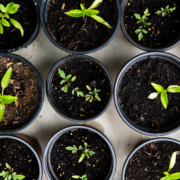
Gardening as a Lifestyle Medicine Practice

Gardening as a Lifestyle Medicine Practice

Healthful Nutrition, Social Engagement, Student Blogs

By Donovan Giang, Maya Shetty, and Rusly Harsono, MD

Life hastens while we focus on our goals, and this can be overwhelming and stressful.  Let’s find balance and evaluate our lifestyle! Do you feel like you are eating healthy or connecting well with people around you on a consistent basis? Home and Community Gardening may help you and your family to get there. Home gardening is the practice of growing plants in a traditional outdoor garden or a kitchen garden using pots or trays inside our home. Community gardening, on the other hand, involves gardening in a space shared by the community. Studies showed that both forms of gardening have several health benefits, from improving nutrition to social connection.

Home Gardening Impact on Nutritional Health

Carney et al in 2013 reported that adults and children’s vegetable intake “several times a day” increased significantly from 18.2% to 84% (p<0.001) and from 24% to 64% (p = 0.003) respectively following a community-based participatory research project that enrolled 163 household members in a community-based gardening project to assess food security, safety and family relationships.

Researchers from the University of California, San Francisco in 2020 provided insight into how home gardening may improve nutritional health and facilitate better health behaviors. This qualitative study explored changes in health behavior following the implementation of a home gardening and nutritional education program in an urban community at high risk for cardiometabolic disease. Participants from low-income, Latino / Latina population in Santa Clara County were provided with home gardening supplies and attended 10 educational workshops to learn about nutrition, as well as gardening skills and healthy recipes. After a year of gardening, participants reported increased consumption of fresh produce, shifted toward home cooking, and decreased fast food consumption. Participants attributed these changes to the affordability, convenience, flavor, and freshness of their grown produce, as well pride in their garden.

Gardening and Social Connection

One of the most significant benefits associated with gardening is the circle of sharing that promotes connection within a local community. As individuals start their own gardens in their home or as part of a community garden, the act of sharing with those around them can build friendships, leading to continued social interaction, trust, and reciprocity. A qualitative research study in 2004 titled “Growing urban health: Community gardening in South-east Toronto” demonstrated these benefits among community gardeners. The researchers collected data from active community gardener participants on their experiences through direct observation, focus groups discussions, and in-depth interviews. Participants reported greater attachment to their community, more positive social interactions, and stronger relationships due to their community gardening experience. A participant of the study even described the joy from being able to share home-grown produce with friends, suggesting community gardens may also help strengthen social connections beyond the boundaries of one’s neighborhood.

Through stronger social relationships and a growing sense of joy in gardening, gardeners have more opportunities to inspire those around them to start their own gardens. Carney et al (2013) reported this effect with home gardeners. In this study, the researchers provided support and resources for participant families, who were mostly of a Hispanic and farm working background, to start their own home gardens. Through pre- and post-gardening questionnaires and interviews, the researchers found that not only did a significant proportion (94.9%) of participants report an improvement to their family’s health but also many of these participants (92.3%) encouraged other families to start gardens as well. As a result, one individual’s gardening can blossom into a rewarding community effort.

Nutrition and social engagement are key to support a healthy lifestyle. Researchers reported that through gardening we can improve our lifestyle medicine practices in at least these two pillars: healthful nutrition and social engagement. Boles et al in 2021 reported that targeting mindsets about the process of health behaviors have meaningful implications for individuals’ engagement in healthy behaviors. Gardening can transform the process of eating healthy into fun through opportunity to relax, expressing creativity and connecting with others.

Let’s try gardening for yourself, try collaborating with your neighbors or larger community to create a shared garden! Home gardening in your backyard or kitchen countertop is a great way to start living healthy. Hydroponic gardens recently have become popular to allow indoor gardening without dirt all year round. No matter which form of gardening you do, take the opportunity to try something new and maintain a healthy lifestyle!


References:

  1. Boles, Danielle Z., et al. “Can Exercising and Eating Healthy Be  Fun and Indulgent Instead of Boring and Depriving? Targeting Mindsets About the Process of Engaging in Healthy Behaviors.” Frontiers in Psychology, vol. 12, Oct. 21, pp. 1-14., https://doi.org/10.3389/fpsyg.2021.745950
  2. Carney, Patricia A., et al. “Impact of a Community Gardening Project on Vegetable Intake, Food Security and Family Relationships: A Community-Based Participatory Research Study.” Journal of Community Health: The Publication for Health Promotion and Disease Prevention, vol. 37, no. 4, Aug. 2012, pp. 874–81., https://doi.org/10.1007/s10900-011-9522-z.
  1. Eng, S., et al. “Healthy Lifestyle Through Home Gardening: The Art of Sharing.” American Journal of Lifestyle Medicine, vol. 13, no. 4, July 2019, pp. 347-350–350., https://doi.org/10.1177/1559827619842068.
  2. Palar, Kartika, et al. “Nutrition and Health Improvements After Participation in an Urban Home Garden Program.” Journal of Nutrition Education and Behavior, vol. 51, no. 9, Oct. 2019, pp. 1037–46., https://doi.org/10.1016/j.jneb.2019.06.028.
  3. Sarah Wakefield, Fiona Yeudall, Carolin Taron, Jennifer Reynolds, Ana Skinner, Growing urban health: Community gardening in South-East Toronto, Health Promotion International, Volume 22, Issue 2, June 2007, Pages 92–101, https://doi.org/10.1093/heapro/dam001


bedroom sleep
Daily Habits

5 Simple Changes to Your Bedroom for Better Sleep

October 21, 2025
sleep travel jet lag
Daily Habits

How to Beat Jet Lag and Get Better Sleep While Traveling

October 21, 2025
sleep apnea
Energy

Sleep Apnea: Causes, Symptoms, and Treatments

October 21, 2025
woman on her couch journaling
Daily Habits

Daily Habits to Reduce Everyday and Acute Stress

April 23, 2025
Finding Purpose in Midlife and Beyond
Gratitude & Purpose

Finding Purpose in Midlife and Beyond

January 24, 2025
Finding Purpose in Midlife and Beyond
Gratitude & Purpose

How Mindfulness Can Soothe Tension at Family Gatherings

January 24, 2025
Daily Habits

Practice of the Month: Cultivating a Habit of Optimism

January 24, 2025
Finding Purpose in Midlife and Beyond
Gratitude & Purpose

What Does it Mean to be Spiritual but Not Religious?

January 24, 2025
Group of volunteers organizing donations
Gratitude & Purpose

Why Giving is Good for Your Health (and not Just for the Holidays)

January 24, 2025
Jumping into the Ice Bath Trend! Mental Health Benefits of Cold Water Immersion
Cognitive Enhancement

Jumping into the Ice Bath Trend! Mental Health Benefits of Cold Water Immersion

May 22, 2024
Supplements for Healthy Aging
Energy

Supplements for Elite Athletic Recovery

March 11, 2024
Protein Needs for Adults 50+
Energy

Protein Needs for Adults 50+

January 23, 2024
Lifestyle Medicine Physician Works with Veterans to Improve Nutrition
Energy

Lifestyle Medicine Physician Works with Veterans to Improve Nutrition

January 22, 2024
Meal Prep Ideas for Busy People
Energy

Meal Prep Ideas for Busy People

January 22, 2024
3 Ways to Get (and Stay) Motivated to Exercise
Energy

3 Ways to Get (and Stay) Motivated to Exercise

January 11, 2024
The Health Benefits of Giving Experiences
Gratitude & Purpose

The Health Benefits of Giving Experiences

December 19, 2023
The Impact of Exercise on Brain Health and Preservation
Cognitive Enhancement

The Impact of Exercise on Brain Health and Preservation

November 29, 2023
How Joy is Linked to Gratitude and Well-being
Gratitude & Purpose

How Joy is Linked to Gratitude and Well-being

November 15, 2023
Optimism as a Means to a Longer Life
Gratitude & Purpose

Optimism as a Means to a Longer Life

November 14, 2023
Health for the Holidays: Transforming Traditional Recipes with Expert Guidance
Gratitude & Purpose

Health for the Holidays: Transforming Traditional Recipes with Expert Guidance

November 14, 2023
June 12, 2023/by dom-wp-admin
https://lifestylemedicine.stanford.edu/wp-content/uploads/2023/06/Untitled-design-2.png 684 845 dom-wp-admin https://lifestylemedicine.stanford.edu/wp-content/uploads/2025/10/SLM_LOGO.png dom-wp-admin2023-06-12 18:14:212023-06-12 18:14:21Gardening as a Lifestyle Medicine Practice

Can Lifestyle Reverse Your Biological Age?

Cognitive Enhancement, Healthful Nutrition, Movement & Exercise, Restorative Sleep, Social Engagement, Stress Management

By: Ben Maines, MD candidate

We all know that eating right, sleeping well, and minimizing stress are good for our health, but what if they could turn back the clock on biological aging? A small but groundbreaking 2020 study found that an 8-week prescription of a healthful diet, stress reduction breathing practices, and exercise decreased participants’ epigenetic age by a little over three years relative to a control group. Sounds too good to be true, doesn’t it? And what do we mean by epigenetic age? We’ll answer those questions and more, but first, a primer in epigenetics. Epigenetics describes reversible molecular modifications made to DNA. At the cutting edge of our modern understanding of medicine and cellular biology, epigenetics facilitates variation between genetically identical cells like your neurons and muscle cells. In the case of twins, for example, you can think of the DNA as the blueprint shared by twins, while epigenetics is the footnotes — instructions that dictate how the blueprint is interpreted and applied. Think of it as the mechanism that bridges nurture and nature, fine-tuning your genetics in response to your environment and lifestyle. At the molecular level, that tuning involves the addition or removal of small molecules like methyl groups to DNA and its packaging. Some molecules make the genes to which they are attached more accessible to the machinery that will translate them, essentially turning those genes on, while others do just the opposite. Evolutionarily, these changes facilitate rapid adaptation to an ever-changing environment. An individual’s experience of famine, for example, can epigenetically tune their metabolism and growth for energy conservation. These epigenetic changes may also be seen in their descendants for several generations to come. The exciting news is that tuning isn’t permanent, which is where lifestyle medicine comes in. Many of the epigenetic phenomena that we understand are related to metabolism and stress responses. Though evolutionarily conserved, these epigenetic changes can be maladaptive in the modern context. A traumatic childhood experience, for example, can trigger epigenetic modifications that not only alter an individual’s stress response to cause chronic stress, but are also heritable to their offspring. This enhanced stress response may have protected an early human in the savannah from repeating risky behaviors, but in our more predictable modern world, chronic stress more often contributes to poor mental health and diseases like cardiovascular disease and high blood pressure. Thinking back to epigenetic age, it seems rational then that if we know the patterns of epigenetic modifications associated with failing health and the diseases of aging, we can use them as a surrogate measure of healthfulness. Though we don’t yet fully understand its nuances, molecularly determined epigenetic age is a better predictor of an individual’s health and longevity than chronological age, presenting an exciting frontier for understanding and modifying health and longevity through lifestyle medicine and targeted therapeutics. For example, a team led by scientists here at Stanford and at the Buck Institute for Research on Aging used deep learning to identify key molecules of systemic inflammation such as CXCL9 that correlate closely with morbidity, cardiovascular degradation, frailty, and other signs of biological aging. As we age, this increasing chronic, systemic inflammation is likely driven by epigenetic changes, raising the tantalizing possibility that it could also be reversed.

How can we use lifestyle medicine to modify our epigenetic fate?

So far, the main clinical epigenetic therapies that have seen success are small molecules that reduce DNA methylation to treat cancer. These molecules function by pushing the reset button on many of the accumulated epigenetic changes that allow the cancer cells’ runaway growth. What if we could do the same to the changes that predict ageing, chronic inflammation, and disease? For now, it seems that our therapeutic tools are too blunt, lacking the precision to target the maladaptive and disease-associated epigenetic changes. So, for now, our best tool for harnessing our epigenetic destiny is our lifestyle. Let’s take a deeper dive into what that looks like at the cutting edge of each of our Stanford Lifestyle Medicine Pillars.

Epigenetics & Physical Activity

Daily exercise has long been associated with health benefits from reduced incidence of cardiovascular disease and improved cancer prognosis to slower cognitive decline. The CDC recommends getting at least 150 minutes of moderate-intensity aerobic activity and 2 strengthening workouts a week for optimal health benefits. There is now evidence that exercise also broadly improves the capacity of your cells to alter their methylation patterns. Exercise leads to higher levels of the protein superoxide dismutase, which works through a series of receptors and pathways in the liver to alter the methylation of key metabolism genes and enhance metabolic function. These pathways affect health in a myriad of ways including improving glucose tolerance to reduce the risk of diabetes. Though some of those epigenetic changes are maintained from parents to children, many are re-programmed during critical developmental periods in-utero, allowing maternal exercise during pregnancy to have profound impacts on offspring health later in life. Lifestyle, it seems, is preventive care that begins even before we’re born. The systemic epigenetic changes induced by physical activity were seen in a recent study by Washington State University that analyzed differences between physical activity and epigenetics in identical twins. Researchers found that twins who exercised for 150 minutes a week or more had more epigenetic markers related to lower risk of metabolic syndrome than twins who exercised less.

Epigenetics & Nutrition

According to recent research, what you eat, and perhaps more unexpectedly, what your parents ate, seems to affect our health through epigenetics in two interesting ways. First, by the availability of small molecules that participate in and modulate the biochemical reactions that add and remove epigenetic tags. For example, plant-forward diets tend to be high in epigenetic substrates like folate, a precursor of the methyl groups added to DNA; cofactors that facilitate that reaction like vitamins A and C; and polyphenolic compounds like curcumin (found in turmeric) that modulate DNA Methyltransferase, the protein that initiates the reaction. Leading theories suggest that by maintaining abundant nutrients involved in epigenetic processes, the body’s response to stress and ever-changing metabolic supply and demand can be efficiently fine-tuned. Diseases like diabetes arise in part because of maladaptive or improper metabolic tuning. A second way that nutrition impacts epigenetics seems to be mediated by metabolic stressors and nutrient sensing. Our cells work along the spectrum between two main modes; when nutrients are limited, pathways turn on that favor maintenance, and clearing and recycling debris, to enhance cellular function and efficiency. Abundant nutrients, on the other hand, downregulate the efficiency pathways and promote storage and more reckless use of resources. With time, famine or feast can become encoded as heritable epigenetic changes, contributing to the increased risk of obesity, diabetes, and several other health conditions in the offspring of parents with poor diet and nutritional profile.

Epigenetics & Sleep

Sleep, namely the lack thereof, has been associated with everything from heart disease and stroke to metabolic disruption. Its greatest impact, though, is on the brain. Interestingly, susceptibility to sleep deprivation is a highly genetic phenomenon. Some people can barely function without 8 hours of sleep, while for others, 6 is more than enough. This suggests a significant role for epigenetics. Cognitive functions like learning and memory rely on neural plasticity, which requires fine-tuned epigenetic adjustments to the gene expression patterns of individual neurons. This process requires sleep, and even single sleep disruption events can impair them, especially in the hippocampus, one of our primary memory and learning centers. More chronic sleep deprivation can alter mood, exacerbate psychiatric disorders, and increase the risk of neurodegeneration as in Alzheimer’s. Most of the epigenetic changes seen with sleep deprivation modify genes involved in metabolism, circadian rhythm, and synaptic plasticity and signaling. For example, night shift workers have altered expression of the genes CLOCK and Dlg4, a master regulator of our body’s internal clock, and a protein implicated in autism that scaffolds synaptic signaling respectively.

Epigenetics & Stress

Technically, stress is any stimulus that disrupts our body’s homeostasis, whether running from a predator in our evolutionary past, experiencing a traumatic life event, or persistent psychological distress. The hypothalamus-pituitary-adrenal (HPA) axis, then, is the stress response control center, a system that connects our brain to our hormone-secreting glands that release systemic stress signals like cortisol, adrenaline, and pro-inflammatory molecules. These signals go on to modulate all our body’s systems, from metabolism and neuronal activity to immune function, and are themselves epigenetically tuned. Typically, our bodies overcome the stressor and return to homeostasis, but traumatic and chronic stress can lead to compounding epigenetic changes that dysregulate our immune, metabolic, neuronal, cardiovascular, and other systems. For example, traumatic childhood experiences trigger epigenetic changes in immune cells like macrophage, increasing pro-inflammatory reactivity and hormonal dysregulation, which may underlie the plethora of adverse health outcomes associated with childhood trauma. Much like the epigenetics of nutrition and exercise, parental stress can be passed on to children both through inherited epigenetic patterns, and through stress hormones circulated from the mother to the developing fetus. On the bright side, positive life experiences, social relationships, and mindfulness practices like meditation and breathing exercises all work to short-circuit these maladaptive stress responses and associated epigenetic changes. For example, one mindfulness-based intervention in breast cancer patients resulted in a reduction of greater than 50% in the epigenetically controlled levels of 91 pro-inflammatory hormones and molecules compared to control patients, an effect that persisted 12 months later.

Epigenetics & Social Engagement

Our capacity to form complex social bonds is evolutionarily foundational to survival, so it’s no wonder that relationships, too, are intimately tied to epigenetics. On one hand, the epigenetic changes associated with chronic and traumatic stress are implicated in impaired capacity for developing and maintaining social bonds. On the other hand, Strong social relationships are important for mitigating stress and its deleterious epigenetic effects, and are one of the strongest predictors of health, happiness, and longevity. Though this is one of the more complex and least understood areas of epigenetics, it’s hard to overstate its role. For instance, mutations in MeCP2, a gene that helps interpret epigenetic methylation patterns, results in the profound cognitive and social dysfunction known as Rhett syndrome.

Epigenetics & Cognitive Enhancement

As it turns out, synaptic plasticity, the phenomenon underlying higher cognitive functions like memory and learning, is largely governed by epigenetic mechanisms. In a highly simplified sense, the strength of patterns and combinations of synaptic firing are enhanced by repeated stimulation, and conversely tuned down in the absence of activity. This is accomplished by epigenetic changes that modulate the sensitivity of neurons to subsequent stimulation. Carrying that principle one step farther, research indicates that enhanced synaptic activity is also essential in synaptic and axonal regeneration after damage such as in the brain of a stroke patient. In animal models, for example, exposure to stimulatory physical and social environments after a brain injury or in disease states such as Parkinson’s leads to increased synaptic activity, which triggers epigenetic changes that promote regenerative healing. Given this observation, it is speculated that similar mechanisms underlie the positive effects of exposure to nature and socially stimulating environments on cognitive and neurological recovery after a brain injury or in diseases like Alzheimer’s. Further, it is plausible that the epigenetic benefits of physical fitness, a varied, plant-based diet, sleep, and relationships translate to beneficial effects on cognitive performance in both health and recovery. For example, the Mediterranean Diet is associated with slowed brain aging and improved cognitive functioning, whereas the Western Diet has been implicated in accelerating natural brain aging processes.

April 26, 2023/by dom-wp-admin
https://lifestylemedicine.stanford.edu/wp-content/uploads/2023/04/Unknown-1-scaled-1.jpeg 1978 2560 dom-wp-admin https://lifestylemedicine.stanford.edu/wp-content/uploads/2025/10/SLM_LOGO.png dom-wp-admin2023-04-26 17:58:162023-04-26 17:58:16Can Lifestyle Reverse Your Biological Age?
Photo by Vonecia Carswell

Social Isolation and Loneliness Affect Cardiovascular Health

Social Engagement

Social Isolation and Loneliness Impact Cardiovascular Health

“Human beings are wired to connect.” Neuroscience suggests that minor neurons in our brains are stimulated when we interact with others. Social isolation during COVID-19 pandemic has emphasized the importance of psychosocial determinants of cardiovascular diseases. Is social isolation and loneliness a health pandemic?  

A wave of new research on the health impact of social connection has tried to address this question. In 2023, researchers from UK published a study showing the association of social isolation and loneliness with incident heart failure on over 400,000 adults between 40 and 69 years. Social isolation was defined as “being objectively alone or having infrequent social connections, and loneliness was defined as “a painful feeling caused by a discrepancy between one’s desire for connections and the actual degree of connections”. They found that even when other known risk factors are controlled for (such as age, sex, and other socioeconomic factors), social isolation and loneliness increased the risk of developing heart failure by 15-20% in a dose-dependent manner. Living alone contributed to the greatest risk of heart failure. The associations between social isolation and loneliness and incident of heart failure were independent of individual’s genetic risk of heart failure.  

Social isolation and loneliness may precipitate unhealthy lifestyles (physical inactivity, alcohol addiction) and hinder older adults from getting social support or seeking health care resources. Social isolation and loneliness are associated with increased activity of hypothalamic-pituitary-adrenal axis and sympathetic nervous system, enhanced inflammatory and oxidative stress which all in turn may accelerate atherosclerosis leading to cardiac remodeling preceding heart failure.  

The study is a call to action. To address heart failure and the health pandemic that social disconnectedness has created, there is an urgent need for community-level strategies aimed at reducing social isolation and loneliness. 

The power of social connection pillar of lifestyle medicine, your HEART depends on it! It is easier than you think. Let’s start from ourselves, find what works for you: increase contact with family and friends, join groups or clubs (sports club, gym, group activity) and use social media in a positive way to connect with others (join local support group, learn what’s happening in your community).  

By: Rusly Harsono, MD


woman on her couch journaling

Daily Habits to Reduce Everyday and Acute Stress

April 23, 2025
Finding Purpose in Midlife and Beyond

Finding Purpose in Midlife and Beyond

January 24, 2025
Finding Purpose in Midlife and Beyond

How Mindfulness Can Soothe Tension at Family Gatherings

January 24, 2025

Practice of the Month: Cultivating a Habit of Optimism

January 24, 2025
Finding Purpose in Midlife and Beyond

What Does it Mean to be Spiritual but Not Religious?

January 24, 2025

Journal References:

  1. Reference: Liang YY, Chen Y, Feng H, Liu X, Ai QH, Xue H, Shu X, Weng F, He Z, Ma J, Ma H, Ai S, Geng Q, Zhang J. Association of Social Isolation and Loneliness With Incident Heart Failure in a Population-Based Cohort Study. JACC Heart Fail. 2023 Jan 20:S2213-1779(23)00026-4. doi: 10.1016/j.jchf.2022.11.028. Epub ahead of print. PMID: 36737310; PMCID: PMC9891238.
February 22, 2023/by dom-wp-admin
https://lifestylemedicine.stanford.edu/wp-content/uploads/2023/02/Untitled-design-2.png 684 845 dom-wp-admin https://lifestylemedicine.stanford.edu/wp-content/uploads/2025/10/SLM_LOGO.png dom-wp-admin2023-02-22 21:35:132023-02-22 21:35:13Social Isolation and Loneliness Affect Cardiovascular Health
Page 2 of 3123

Resources

  • Newsletter
  • Lifestyle Medicine Blog
  • In the News
  • Research Publications
  • Courses
  • Events
  • Contact us

Pillars

  • Movement & Exercise
  • Healthful Nutrition
  • Restorative Sleep
  • Stress Management
  • Social Engagement
  • Cognitive Enhancement
  • Gratitude & Reflection
Lifestyle Medicine - Enfold WordPress Theme by Kriesi
Scroll to top Scroll to top Scroll to top