It is difficult to predict how and for how long caffeine affects our bodies. Research suggests that caffeine affects everyone differently and our relationship with it could change as we age. A study examining the relationship between chronotype and the effects of caffeine on sleep in Stanford students found early birds had a strong correlation between daytime caffeine use and waking during sleep. Night owls’ sleep seemed to not be affected by their daytime caffeine intake. People in between seemed to experience minor effects. However, this study was exclusive to Stanford students, who are generally a more sleep-deprived population. It is unclear the degree to which this affected the results but is likely a significant confounding variable.

One of our sleep experts, Dr. Jaime Zeitzer, PhD, says , “There is massive variability in how people metabolize caffeine and in many, even a single cup of coffee with breakfast can interfere with sleep. Being aware of how your caffeine consumption personally impacts your sleep is incredibly important.”

By: Carly Mae Smith, BS


Sources:

  1. Modeling caffeine concentrations with the Stanford Caffeine Questionnaire: preliminary evidence for an interaction of chronotype with the effects of caffeine on sleep

A team here at Stanford studying inflammation in older adults found an interesting correlation between those that regularly drank caffeinated coffee and those with lower levels of chronic inflammation. The study suggests that regular, moderate coffee intake may protect us from age-related inflammation and diseases. The clinical trial looking at markers of inflammation and age-related diseases found that 89 older subjects who regularly consumed caffeine from coffee experienced suppressed disease-related inflammation.

Before grabbing your next cup of joe, there are a few things are team would like you to keep in mind:

1) Coffee can mask grogginess, but you still need regular, sustained sleep! Coffee at any time of the day could disrupt sleep.

2) Too much sugar in your coffee may negate Some health benefits!

3) Be careful not to drink too much! Caffeine levels vary by coffee type.

4) If you don’t like coffee, try tea! We see many nutritional benefits in black and green tea too!

There are lots of factors to consider when discussing the impact of coffee and caffeine on our lifestyles, and we hope to cover a lot of them in the near future! To learn more about how caffeine may affect people differently, check out our post on caffeine and chronotypes.

By: Carly Mae Smith, BS


Sources:

  1. Expression of specific inflammasome gene modules stratifies older individuals into two extreme clinical and immunological states

A recent study found that standing on one leg for 10 seconds was independently associated with survival and that those unable to perform this test had double the usual risk of premature death. This relationship is an association and not causal – meaning, the test cannot predict when someone will die. It does, however, highlight the importance of monitoring and maintaining balance as we age. Good balance later in life can lower fall risk and help maintain independence, mobility, functional abilities, and overall quality of life.

According to Corey Rovzar, an expert in balance a postdoctoral fellow at the Stanford Prevention Research Center in the School of Medicine, balance is often overlooked in most people’s exercise regimes and is not regularly included in routine health checks for middle-aged and older adults. This study highlights the importance of monitoring and maintaining balance as you age since balance tends to decline most rapidly beginning in your 60s – and this decline can lead to faulty biomechanics and/or falls. The good news is that you can improve your balance through training! This could be as simple as standing on one leg while you brush your teeth, performing single-leg exercises, or engaging in activities such as tai chi and yoga. Strength training is also important, especially for the lower body, because stronger muscles allow you to have greater stability as you move and to move at an ideal speed. The key to any exercise program is consistency – find something that you enjoy and stick with it!

By: Corey Rovzar, PhD & Maya Shetty, BS


Sources:

  1. Successful 10-second one-legged stance performance predicts survival in middle-aged and older individuals

The study analyzed data from 6387 participants and identified three distinct tea consumption trajectories. After a median follow-up of 17.9 years, it was found that high tea consumption was associated with a lower risk of mortality, but this effect was observed only in non-alcohol drinkers. Among current alcohol drinkers, increasing tea consumption was linearly associated with increased mortality. Additionally, the study revealed that alcohol intake masked the protective effect of tea consumption against blood pressure progression.

In conclusion, individuals with a long-term high tea consumption trajectory had a lower risk of all-cause mortality and a slower rate of blood pressure increase. However, the beneficial effects of tea consumption were diminished or even harmful in the presence of alcohol intake.

By: Michael Fredericson, MD


Sources:

  1. Alcohol intake masked the protective effects of tea consumption against all-cause mortality and blood pressure progression: Findings from CHNS cohort, 1993–2011

Mg Magnesium


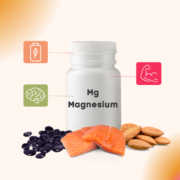
Whether you’re a regular at the gym or interested in supplement talk, you may have been recommended to increase your magnesium intake. Are you getting enough? Why does is matter? There are many benefits of having a healthy amount of magnesium in our diets since it is believed to be involved in muscle relaxation, regular neural firing, energy production, and other systems throughout the body that keep you performing and feeling well. One specific phenomenon popular in research right now is the potential ability of enhanced magnesium intake to reduce the occurrence of muscle cramps. This is of interest to both the exercise science and sleep communities since cramping can disrupt either activity significantly. So, how much magnesium should you be getting regularly anyways? National intake recommendations vary by age, sex, and events of pregnancy, but tend to range between 310 and 420 mg daily for most adult individuals. For the most efficient absorption and usage by the body, it is also recommended that magnesium intake be balanced with Vitamin D and calcium. We have put together a quick reference for different foods that are pretty rich in magnesium content to make reaching this goal easier, but visit the National Institute of Health’s page for more.

Mg Magnesium

By: Marily Oppezzo, PhD & Carly Smith, BS


Sources:

  1. https://ods.od.nih.gov/factsheets/Magnesium-HealthProfessional/

Artwork

By: Sarita Khemani, MD

As a physician specializing in peri-operative medicine, I have witnessed firsthand the detrimental impact of muscle loss on patients. Whether it is individuals presenting with hip or spine fractures, or those who have suffered from bleeding in their brain following a fall, many of these acute conditions have a hidden underlying cause: the loss of muscle mass.

Although losing muscle may not seem like a significant concern, it can be a silent yet deadly issue that progressively drains our vitality and strength, leading us to become frail and dependent.

In this blog, we will explore the latest scientific research on the trajectory of muscle loss as we age and discuss practical steps that we can take to prevent or alleviate its effects.

Understanding Skeletal Muscle: Composition and Function

Skeletal muscle is the type of muscle tissue that we can control voluntarily, such as when we intentionally flex our biceps or perform other movements. It is composed of many smaller bundles of muscle fibers, each containing hundreds to thousands of individual fibers. These fibers are primarily made up of two proteins: myosin and actin, which work together to facilitate muscle contraction.

The muscle fibers themselves are arranged in a specific pattern, extending the muscle’s length between the tendinous ends, and are bundled together and wrapped in connective tissue. This arrangement allows the muscle to generate force and produce movement when it contracts.

In terms of composition, muscle tissue is approximately 70% water and 30% protein. The body synthesizes muscle protein from the amino acids that are present in the protein we consume through our diet.

Image credit: University of Miami: https://www.bio.miami.edu/dana/360/360F18_15.html


As we age, the gradual decline in muscle mass and strength worsens with each passing decade. This decline can be attributed to several factors, including reduced dietary protein intake, decreased physical activity, a decline in hormone levels, chronic inflammation, muscle denervation, mitochondrial dysfunction, infiltration of fat into muscle, and insulin resistance.

Research suggests that the rate of loss of muscle strength is greater than the loss of muscle mass and plays a crucial role in healthy aging. When low muscle mass and function, including strength and physical performance, occur with aging, it is known as sarcopenia. The term “sarcopenia” originates from the Greek words “sarx,” meaning flesh, and “penia,” meaning loss.

Sarcopenia can be classified into two categories: primary sarcopenia, which is the cumulative result of various factors leading to muscle loss with aging, and secondary sarcopenia, which is caused by a specific insult, such as surgery, hospitalization, or injury. By understanding these categories, we can better diagnose and manage sarcopenia in older adults.

The trajectory of age-related muscle loss

The loss of muscle strength with age can be surprising to many people, as it can start as early as age 30. As numerous research studies have shown, the rate of decline for muscle mass with age worsens with each decade.

Age Percent loss of muscle mass/decade
50s 0.5-2%
60s 4-5%
70s 7-8%

The decline in muscle strength is more dramatic and can be 2-5 times greater than decline in muscle mass.

Age Percent loss of muscle strength/decade
50s 3-4%
60s 9-10%
70s 11-12%

A study found that there was muscle loss of between 35% and 40% occurring between the ages of 20 and 80. Additionally, studies of nursing home residents have found that sarcopenia, affects 30-40% of individuals. Mobility aids, such as canes, walkers, or wheelchairs, are commonly used by older adults, with 24% of those aged 65 years and older relying on such aids. Alarmingly, the death rate from falls is projected to rise sharply in the coming years, as shown in the graph below.

Image Credit: CDC:

Skeletal muscle mass is shown to be an independent predictor of death, highlighting its crucial effect on longevity.

These statistics don’t consider the sudden health events that can accelerate muscle loss. A rapid decline in muscle mass and health occurs with hospitalizations and illnesses. In addition to the lack of activity during hospital stays, other factors like increased levels of pro-inflammatory agents and cortisol can have a compounding effect. For older adults, this loss of muscle mass and function can lead to permanent disability or even death.

Connection between muscle health and dementia

Dementia affects more than 55 million people worldwide, and physical inactivity is one of the modifiable risk factors for the condition. There is a well-established link between low muscle mass, low physical activity, and cognitive impairment in old age.

Exercise releases myokines from the muscle, which crosses the blood-brain barrier and helps regulate BDNF, a protein that supports the survival and growth of neurons in the brain. Furthermore, the lower an individual’s muscle mass, the more significant their cognitive decline, suggesting a dose-dependent effect.

Steps to preserving muscle health and function.

Protecting your muscle mass is like increasing your savings: the greater the savings, the more comfortable you will be as you age.. While we might develop pharmacological treatments for muscle loss in the future, currently, the best way to preserve muscle function is to put in work upfront.

1. Strength training, “the medicine”

Resistance training activates our DNA to respond to stress, leading cells to produce increased muscle protein.

Initially, we may see an improvement in strength but not much muscle hypertrophy because of an increase in muscle protein breakdown. However, this slows down after about six weeks, and we start seeing an increase in muscle size.

Strength training can counteract the accumulation of fat in the muscle, improve the health of neuromuscular junctions, improve muscle quality, and reduce inflammatory markers.

People who do regular resistance training have a 20-year advantage. For example, 85-year-old weightlifters showed similar power and muscle features as 65-year-olds who did not engage in regular training in studies.

To achieve optimum improvement in muscle mass and strength, we should engage in resistance training 2-3 times per week per muscle group in addition to any aerobic exercises.

Resistance exercises that involve increasing load and speed should be done under supervision to ensure proper form and avoid injury.

2. Protein intake

Studies have shown that higher protein intake is associated with greater muscle mass and lower risk of developing frailty in older adults.

Protein intake should be individualized based on age, sex, activity level, and health status, but generally range from 1.6-2.2 grams per kilogram of body weight per day.

A systematic review and meta-analysis published in the British Journal of Nutrition in 2020 found that plant-based protein sources can be just as effective as animal-based sources for improving muscle health. It’s best to mix and match various plant-based sources of protein for optimum effect.

Consuming more than 35-50 grams of protein at one time does not provide any additional benefit for muscle growth, as excess protein is used for energy production. Therefore, it is best to spread protein intake out throughout the day rather than consuming the whole day’s amount in one sitting.

3. Supplements: Please see an excellent blog by Dr. Kaufman on this website to gain more knowledge about the safe use of supplements.

4. We all know to get good sleep and stay hydrated—more on these topics in future blog posts.

What Does Grip Strength Indicate About Your Health?

Your future lies in the palm of your hand… kind of. A popular topic in longevity and exercise science involves the association between grip strength and life span, but what exactly are people talking about? Two recent studies describing the relevance of grip strength in the field have started to analyze what information one’s grip strength actually provides. “Grip strength is inversely associates with DNA methylation age acceleration” covers cross-sectional and longitudinal associations between hand grip strength and three different clock models to describe the pace of one’s aging in American adults over the age of 50 years old. Essentially, these three different clocks take in information from a DNA methylation sample, and output a relative estimate of how quickly someone is aging based on the different health outcome risk biomarkers they are entrained on. As it pertains to grip strength, the three age-acceleration clocks looked at in the study found significant associations to suggest that greater grip strength can help one protect their body from physically aging faster. These clocks could be useful tools in future clinical applications to begin to better understand the needs of different patients later in life. However, there is still work left to be done as the sample of this study may not be representative of the diverse middle and older aged populations in the larger United States or on a global scale. When reading information from the study above, it can also be easy to believe that increasing the amount of grip-strength exercises you’re doing will help you slow down how fast you’re aging and live longer, which is not exactly the case. Another study from the Journal for Clinical Interventions in Aging, reviews the literature to suggest how grip strength’s relevance to aging science may be due to its associations with total body strength, bone density, reduced risk of falls and fractures, etc. Knowing that there is ample research on the protective effects of these measurements on later-in-life life expectancy, grip strength may be a starting place to begin to clinically understand risks the potential mobility and functionality risks for some patients.


To read the full article from the Journal of Cachexia, Sarcopenia, and Muscle, follow this link: https://doi.org/10.1002/jcsm.13110

To read the full article from the Journal for Clinical Interventions in Aging, follow this link: https://www.ncbi.nlm.nih.gov/pmc/articles/PMC6778477/.


By: Carly Mae Smith

matt@dripdigital.media

By: Vanika Chawla, MD

Emerging evidence suggests that beyond its use for pleasure, sauna bathing may be linked to several health benefits including cardiovascular, neurological and metabolic benefits. A recent review by Patrick & Johnson outlines evidence of the benefits of sauna use, potential mechanisms of action, and adverse effects and contraindications.  Sauna bathing is characterized by short-term exposure to high temperatures (ranging from 113F to 212F), and there are various forms including “dry” and “wet” saunas which differ in the amount of humidity. 


A large study done by Laukkanen et al., examining data from over 2000 middle-aged men in Finland showed that men who used saunas two to three times a week had a 27% reduction in mortality associated with cardiovascular disease compared to those who used saunas once a week, and men who used saunas four to five times a week had a 50% reduction rate in mortality associated with cardiovascular disease. The risk of mortality from all causes was reduced by 40% in frequent sauna users compared to infrequent users! Duration of sauna use was inversely correlated with the risk of cardiovascular disease and coronary heart disease, meaning those who used saunas for longer than 19 minutes had better outcomes than those who used saunas for less than 11 minutes. Results were adjusted for factors such as socioeconomic status. 


Many of the physiological effects of sauna use are similar to those elicited during moderate to vigorous-intensity aerobic exercise. Studies show that aerobic exercise in combination with frequent sauna use has a synergetic effect in reducing cardiovascular and all-cause mortality. Exposure to high temperatures stresses the body and this heat exposure induces protective responses that promote cardiovascular health, such as increased heart rate, decreases in blood pressure, and improved blood flow. Heat stress may lead to improved physical fitness by increasing cardiorespiratory fitness, endurance and preserving muscle mass. During exercise the core body temperature rises and heat acclimation from the sauna optimizes the body for tolerating core body temperature elevations during future exercise, as well as supporting other cardiovascular and thermoregulatory functions that are important in fitness and exercise. pThese mechanisms contribute to muscle mass maintenance and prevent muscle loss that can occur with aging.


Further analysis of the data from Finland also showed that men who used saunas four to seven times a week had a 66% lower risk of developing dementia compared to those who used saunas once per week. Proposed mechanisms for improved brain health in response to sauna include heat exposure and the subsequent cardiovascular response increasing the expression of brain-derived neurotrophic factor (BDNF), which is an important factor that supports the development of new neurons in the brain, and increased blood flow to the brain. Heat shock proteins also protect against brain disease. 


Findings from the study also show that regular sauna users had a lower risk of developing pneumonia and sauna use may bolster the response of the immune system and promote respiratory health. 


Caution should be exercised for sauna use in special populations such as pregnant women and children. There are some reports of reduction in male sperm count following sauna use in a 10-person study, but measures returned to normal within 6 months of sauna use cessation. Some contraindications for sauna use include alcohol use, hypotension, recent heart attack, severe aortic stenosis, and altered or reduced sweat function (such as in certain autoimmune or neurological disorders). Proper hydration is recommended prior to and during sauna use. 


You may want to consider using a sauna as you cultivate a positive, healthy lifestyle. It can be pleasant and soothing on a cold winter’s day, and may reduce your risk for some upper respiratory infections. There is no clear evidence indicating whether the benefits of sauna are limited to specific climates or seasons, or whether sauna bathing during hot weather confers health benefits. 


References:

Patrick RP, Johnson TL. Sauna use as a lifestyle practice to extend healthspan. Exp Gerontol. 2021;154:111509. doi:10.1016/j.exger.2021.111509


Laukkanen T, Khan H, Zaccardi F, Laukkanen JA. Association between sauna bathing and fatal cardiovascular and all-cause mortality events. JAMA Intern Med. 2015;175(4):542-548. doi:10.1001/jamainternmed.2014.8187