By Nicole Molumphy, BS and Sharon Brock, MEd, MS

Do you ever get those late-night cravings or feel like your hunger is never satiated? Research shows that consistent short sleep duration (less than 7 hours per night) can influence metabolic health, affect the function of appetite hormones, increase food cravings, and lead to a 38 percent increase in obesity in adults.

Consistent sleep deprivation can lead to altered functioning of the appetite hormones ghrelin and leptin. Ghrelin increases our appetite and is released by cells in the stomach lining. When your stomach is “growling,” that is the ghrelin hormone talking. Conversely, the hormone leptin, made by our fat cells, lowers our appetite. Studies have revealed that sleep deprivation can lead to increased ghrelin and decreased leptin, resulting in an overall experience of constantly being hungry.

“There are so many health conditions associated with poor sleep,” says Rob Oh, MD, Clinical Associate Professor (Affiliated) and family physician at the Veterans Affairs Health Care System in Palo Alto. “With chronic sleep deprivation, your metabolism becomes dysregulated, leading to cravings for processed foods. Also, you’re less likely to exercise, you feel more stressed, and you’re more likely to think poorly. The combination of these factors can lead to metabolic health problems like obesity and type 2 diabetes.”

Sleep Deprivation Increases Stress Hormones

Our cortisol levels are typically lowest near midnight and then increase towards waking hours, ultimately peaking around 9 a.m. Studies demonstrate that reoccurring poor sleep is associated with an altered cortisol secretion pattern.

For example, delaying your bedtime could lead to high cortisol levels in the middle of the day, rather than just in the morning. Sustained high levels of cortisol can lead to an increased amount of insulin in the blood, which promotes the accumulation of belly fat and has the potential to lead to prediabetes, type 2 diabetes, and other metabolic disorders.  An increase in cortisol levels during the day may induce prolonged feelings of stress, increased food cravings, and further insomnia—promoting a recurrent, cyclical pattern.

“Inadequate sleep disrupts hormone levels, which dysregulates one’s metabolism and makes individuals hungrier,” says Dr. Oh. ” When we are hungrier, we eat more, which leads to weight gain and potentially metabolic disease.”

If that’s not bad enough, cravings for ultra-processed foods, sugars, and alcohol become more of a tease with sleep deprivation. A possible mechanism for this added hunger is an increased activation of the endocannabinoid system, which is found throughout the body and controls several biological systems, including sleep, mood, and appetite.

Sleep Deprivation and Increased Risk of Diabetes

Research shows that a lack of sleep may also result in insulin resistance, a driving factor in prediabetes and type 2 diabetes. Insulin is a hormone made by the pancreas that regulates blood glucose levels. Insulin resistance occurs when cells in the liver, fat, and muscles do not respond well to insulin, and in turn, glucose is not taken up into the blood.

The exact mechanism behind the causal relationship between insufficient sleep and insulin resistance is still being studied, however, some studies note that increased inflammatory markers, like C-reactive protein and hormone dysregulation, such as cortisol may be involved.

Currently, prediabetes affects one in three adults in the US. While many mechanisms contribute to the development of prediabetes and type 2 diabetes, some of the more prominent ones include impaired cellular insulin sensitivity, modified gut microbiota, and overly-sensitive sympathetic nervous system (fight-or-flight) activation. When the sympathetic nervous system is activated, it signals the liver to release more glucose into the bloodstream, leading to higher blood sugar levels.

What Can We Do About It?

Unfortunately, research finds that “weekend recovery sleep” is not enough to bring your metabolism back into balance after a lack of sufficient sleep throughout the week. Instead, Dr. Oh recommends taking a holistic approach and examining not only your sleep habits but also your nutritional choices and workout routines to support the restoration of metabolic health.

For those with pre-diabetes and type 2 diabetes, a diet focused on whole foods and low refined carbohydrates is critical for weight loss and glucose control.

Specifically, Dr. Oh recommends a low carbohydrate diet, such as consuming 75 to 100 grams of carbohydrates per day, to control and balance blood sugar levels. He also recommends quick, 20-minute, high intensity workouts for time-efficient and effective exercises that promote metabolic health. Regarding supplements, Dr. Oh recommends magnesium to promote muscle recovery and relaxation before bedtime.

“Optimal sleep is so intertwined with athletic and exercise performance, brain health, and metabolic health,” says Dr. Oh. “Sleep really is a keystone area where many of us can do better and hence reducing our risk for metabolic diseases and lengthening our healthspan.”

By Sharon Brock, MEd, MS

Millions of Americans share a similar experience every morning. The alarm goes off, but they’ve already been awake for hours in bed. They hit the snooze button to squeeze in a few more minutes of precious rest, not realizing they were making their sleep problems worse.

“Hitting the snooze button is one of the worst things you can do because it prolongs morning grogginess and associates the bed with being awake,” says Fiona Barwick, PhD, DBSM, Stanford Clinical Associate Professor, Psychiatry and Behavioral Sciences – Sleep Medicine. “Rather than hitting snooze, it’s important to get out of bed within 15 minutes of the alarm going off and get some natural light to stop melatonin production.”

You may not think that something you do first thing in the morning will affect your sleep that night; however, Dr. Barwick says that the behaviors we engage with throughout the day can impact the quality of our sleep at night.

“Getting a good night’s sleep is a 24-hour endeavor,” says Dr. Barwick.

How Does Sleep Work?

According to Dr. Barwick, we fall asleep when these three biological systems are in working order:

  • Circadian Rhythm (CR)
  • Sleep Drive (SD)
  • Stress Management (SM)


Here is a list of behaviors that can negatively affect the three systems (CR, SD, SM), as well as alternative behaviors that have a more positive impact:

Since it may be difficult to change all the behaviors in this table, Dr. Barwick shares the top two behaviors that are most important for each system:

  • Circadian Rhythm
  1. Sleeping in the right window for your body clock (e.g., 10pm – 6am, 11pm – 7am, or 12am – 8am, etc.) and staying consistent with those sleep and wake times.
  2. Appropriate exposure to light and darkness to sync the release of melatonin with wake and sleep times (e.g., getting morning sunlight, not looking at screens one hour before bed, and making sure the bedroom is dark).
  • Sleep Drive
  1. Increase sleep drive by tiring the body with regular physical exercise and outdoor light exposure.
  2. Getting out of bed promptly (no hitting the snooze button) and making sure you spend the appropriate amount of time in bed (anywhere from 6-10 hours depending on your individual genetics and age).
  • Stress Management
  1. Physical relaxation—Deep breathing throughout the day to relax the body.
  2. Mental/Emotional relaxation—mindfulness meditation or journaling to process emotions before going to bed.

Practice of the Month:

Avoid hitting snooze (i.e., get out of bed when the alarm goes off) and create morning, midday, and evening routines to optimize the three key systems for sleep.

From the table above, write two behaviors you can do in the morning, midday, and at night. Make sure that you’re addressing all three systems (CR, SD, and SM).

What to do in the morning for good sleep:

1)

2)

What to do during the day for good sleep:

1)

2)

What to do at night for good sleep:

1)

2)

Here is a sample:

What to do in the morning for good sleep:

1)  Put phone out of arm’s reach and get out of bed right after alarm goes off (CR, SD).

2)  Go for a walk around the block, then eat breakfast (CR, SD).

What to do during the day for good sleep:

1)  Stress reduction: do a 10-minute mindfulness meditation at lunch (SM).

2) Physical exercise: do a 45-minute workout right after work (SD, SM).

What to do at night for good sleep:

1) Turn off all screens one hour before bed and write in my journal while listening to relaxing music (CR, SM).

2) Take a luxurious candle-lit bubble bath while taking deep breaths and counting my blessings (CR, SM).

“These are behaviors we can do to increase the likelihood of getting better sleep, but there may be times when we do everything right and still not sleep well,” says Dr. Barwick. “The most important thing to remember is that we will be fine the next day. We are evolutionarily adapted to deal with insufficient sleep, and we can still do what we need to get done, even without the full amount of sleep that we normally get.”

By Mary Grace Descourouez, MS, NBC-HWC and Sharon Brock, MEd, MS

Many of us have heard that looking at our phones or iPads at night can keep us awake due to light exposure, however, research shows this may be true for children, but there is not sufficient evidence to support this claim for adults.

“Young children have a greater sensitivity to light because more light gets to the retina of a child than an adult,” says Jamie Zeitzer, PhD, Co-Director of the Stanford Center for Sleep and Circadian Sciences. “Since adults have more opacities in their eyes and smaller pupils than children, less light passes through adult eyes, so there’s less of an effect on melatonin production.”

Melatonin is a hormone that makes us feel sleepy and is released when the eyes perceive darkness. Conversely, when we see natural light in the morning, we feel more awake because light hitting our eyes stops the production of melatonin.

Given this logic, it would seem reasonable that looking at our screens (smart phones, computers, iPads, etc.) at night could delay melatonin production and inhibit our ability to fall asleep, but Dr. Zeitzer says this is not the case.

While darkness enables melatonin production, suppressing melatonin production works by the brain comparing the amount of light we receive during at night with how much we received during the day. It’s the shift from light to dark that cues the release of melatonin, which is why we start to feel sleepy after the sun goes down.

Since natural sunlight emits 10,000-100,000 lux of light and phone screens emit 25-50 lux under usual conditions at night, Dr. Zeitzer says the light from our screens doesn’t have much of an impact on the melatonin cueing process.

“There just isn’t that much light coming from your phone,” says Dr. Zeitzer. “As long as you go outside during the day and get exposed to the intensity of natural light then the amount of light from a screen in the evening most likely won’t halt the production of melatonin.”

If it’s Not Light, What Keeps us Up at Night?

Rather than light exposure, Dr. Zeitzer believes that what is keeping us awake is what we are watching on our screens. Millions of Americans stay awake at night scrolling on social media looking at page after page of emotionally activating content and writing posts that lead to likes, comments, and followers. Others stay up to play games on their phones or computers, all of which stimulate the dopamine reward system in the brain, which is the basis of addictive behaviors.

“In the past, when a television show ended, you turned off the TV and went to sleep because there was nothing else to do,” says Dr. Zeitzer. “But now you could watch Netflix, look at apps or play computer games all night because this entertainment has been commodified to engaged with it for as long as possible; it’s optimized to never stop playing and this is causing sleep deprivation.”

When watching screens before bed, Dr. Zeitzer recommends that we not only avoid content that could be distressing, but also content that could stir excitement within us.

“In order to fall asleep, we need to reduce stimuli exposure and calm our mind and body,” says Dr. Zeitzer. “Even if you’re watching something positive, if it stirs excitement, the brain will release dopamine, and over time we can develop a dopamine addiction, making staying awake playing games or on social media much more fun that going to sleep.”

Lastly, Dr. Zeitzer says that he can’t make a general statement that nighttime screen use negatively affects everyone’s sleep. For some, their addiction to games or apps could make falling asleep a challenge, while others may watch soothing nature videos on their phones to help them relax and fall asleep. Therefore, Dr. Zeitzer suggests that you take note of how screens are impacting your sleep health by asking yourself these questions:

  • Is the content of your screen time making you feel distressed or excited? If yes, then you should not look at screens for about an hour before bedtime to calm the mind and body and prepare for sleep.
  • Also, do you engage with screens throughout the night when you could be sleeping? If so, you may have a dopamine addiction that is making screen time activities more enjoyable than sleep.

By Sharon Brock, MEd, MS

Not getting enough restorative sleep is a rampant health concern across the US. It’s estimated that 50 to 70 million Americans suffer from sleep disorders, and 1 in 3 adults do not get the recommended 7 to 8 hours of sleep regularly.

Many of us have tried sleep hygiene techniques, such as keeping our bedroom dark, cool, and quiet and having a one-hour-before-bed evening routine, but still have trouble sleeping soundly on a consistent basis.

Stanford sleep specialist Fiona Barwick, PhD, DBSM shares that sleep hygiene is only one piece of the puzzle.  “If you have good sleep and maintain good sleep hygiene, then you’ll continue to get good sleep,” says Dr. Barwick, Stanford Clinical Associate Professor, Psychiatry and Behavioral Sciences – Sleep Medicine. “But if you have poor sleep, all the sleep hygiene in the world will not help because it’s not targeting what we typically see in patients with insomnia, which is anxious thinking and not building enough sleep drive.”

What Causes Insomnia?

Insomnia is defined as difficulty falling asleep, staying asleep, or waking up too early (greater than 30 minutes before the alarm) three times per week for at least three months. Many factors can cause insomnia, such as stressors related to one’s job, finances, health, family and friends, new onset health conditions, or feeling unsafe in one’s environment.

Dr. Barwick says her patients with insomnia often spend hours lying awake, ruminating about relationships and events in their lives, or simply worrying about how their inability to sleep will impact their performance the next day (especially true for perfectionists). To address these factors, Dr. Barwick teaches classes on cognitive behavioral therapy for insomnia (CBT-I) at Stanford University.

“It’s a vicious cycle. The anxiety we feel about not sleeping can prevent us from falling and staying asleep,” says Dr. Barwick. “With CBT-I, we address not only the physical requirements of sleep but also how we think and feel about sleep. CBT-I helps to shift our mindset about sleep.”


This table shows the difference between sleep hygiene and CBT-I:

How to Cure Insomnia with CBT-I Training

CBT-I employs a classical conditioning technique of having patients get out of bed when not sleeping so that they associate their bed with sleep and nothing else. Just as Pavlovian dogs salivated when they heard a bell, Dr. Barwick says we can teach our brains to see our bed as a cue to feeling sleepy and falling asleep rather than a place where we lie awake feeling anxious.

Along with bed re-association, another technique for improving sleep is sleep consolidation, or shortening the time spent in bed. At the outset of treatment, students of the CBT-I course are instructed to reduce the amount of time they spend in bed (their “sleep opportunity”) and get out of bed promptly when the alarm goes off (no hitting snooze!), regardless of how they slept. As wakefulness at night decreases and sleep quality improves, time in bed, or sleep opportunity, is gradually extended.

This disciplined approach of spending a shorter amount of time in bed for two to three weeks increases sleep drive and thus sleepiness, or the desire to sleep. By the end of treatment, patients are falling asleep more easily, waking up less at night, and returning to sleep more easily. They have also ensured that their bed is re-associated with sleep, rather than lying awake worrying, thus breaking the pattern of insomnia.

Along with bed re-association, CBT-I also offers cognitive strategies to calm anxious thoughts about sleep, relaxation techniques to reduce tension in the body, as well as emotional relaxation practices like mindfulness.

How Do I Fix My Sleep Problems?

Ironically, anxiety about sleep is often the cause of our sleep problems, making stress management an important part of restorative sleep. Dr. Barwick says that “our mindset about sleep is critical. We are worrying about a system that is not broken.” Instead of anxiety about sleep, Dr. Barwick encourages us to learn about the biological systems involved in sleep and optimize them with our behaviors.

The three biological systems that need to be in working order for sleep to occur are:

  • Circadian rhythm
  • Sleep drive
  • Stress management

“The way sleep works is, when your sleep drive is high, you understand your own circadian sleep-wake timing, and you allow yourself to relax, you should fall asleep and return to sleep easily,” says Dr. Barwick. “These biological systems of sleep are not broken; they are intact, but our worry about sleep can override their ability to function properly.”

For practical tips on how to optimize these three systems, read our blog, “Don’t Hit Snooze! And Other Practical Tips for Optimal Sleep.” 

What to Do When Lying Awake in the Night

If you’re lying awake in bed during the night, the first step is not to check the time. This can lead to anxious thoughts about how your lack of sleep will affect you the next day. It’s best not to look at the clock and trust that you’ll wake up and get out of bed with your alarm.

Secondly, take deep breaths and engage in mindfulness practices, such as feeling the softness of your pillow and appreciating the comfort of your mattress. Listening to gentle music or a guided meditation can also help relax the mind and body.

If these relaxation practices do not lull you back to sleep and you’ve been wide awake for over 30 minutes, Dr. Barwick suggests getting out of bed and doing a relaxing activity in another room until you feel sleepy again.

“It’s best to keep your bed for sleep, so if you can’t fall back asleep, be awake outside your bed in an enjoyable and relaxing way, such as reading a book in the living room,” says Dr. Barwick. “While reading, you build sleep drive and calm anxiety, so you’re more likely to fall asleep when you go back to bed.”

Another thing to remember is that your middle-of-the-night thinking comes from your emotional brain. During sleep, the rational part of your brain is offline, leaving your emotions to run unchecked. This can lead to bizarre dreams and even nightmares that could wake you up, especially if you’re going through stressful circumstances.

To address this, Dr. Barwick recommends reducing stress throughout the day, not just right before bed.

“People with anxiety are more reactive to stress and need to address sleep as a 24-hour endeavor,” says Dr. Barwick. “They need to put more effort into managing their stress response with exercise, deep breaths, and mindfulness throughout the day–not just before bed.”

Dr. Barwick explains that when we first go to sleep, our sleep drive is high enough to counter our stress level. But if we wake up 3-4 hours later, when sleep drive has diminished, it is harder to fall back asleep, especially if our emotional brain begins to ruminate from stress built up throughout the day. And since the rational part of the brain is offline, these negative thoughts can take over our consciousness.

Therefore, Dr. Barwick recommends journaling before bed to reframe life challenges and process difficult emotions. This way, if you wake up at night, you’ll be able to fall back asleep easily.

Along with journaling before bed, Dr. Barwick has a second recommendation for those experiencing anger that often leads to the rehearsal of mental arguments during the night.

“If you have resentment, I recommend you do loving-kindness meditation before bed. You can offer loving-kindness toward those whom your ego believes has ‘wronged’ you,” says Dr. Barwick. “This meditation can shift your emotional mindset from anger to ease, which will help you fall asleep.”

By Nicole Molumphy

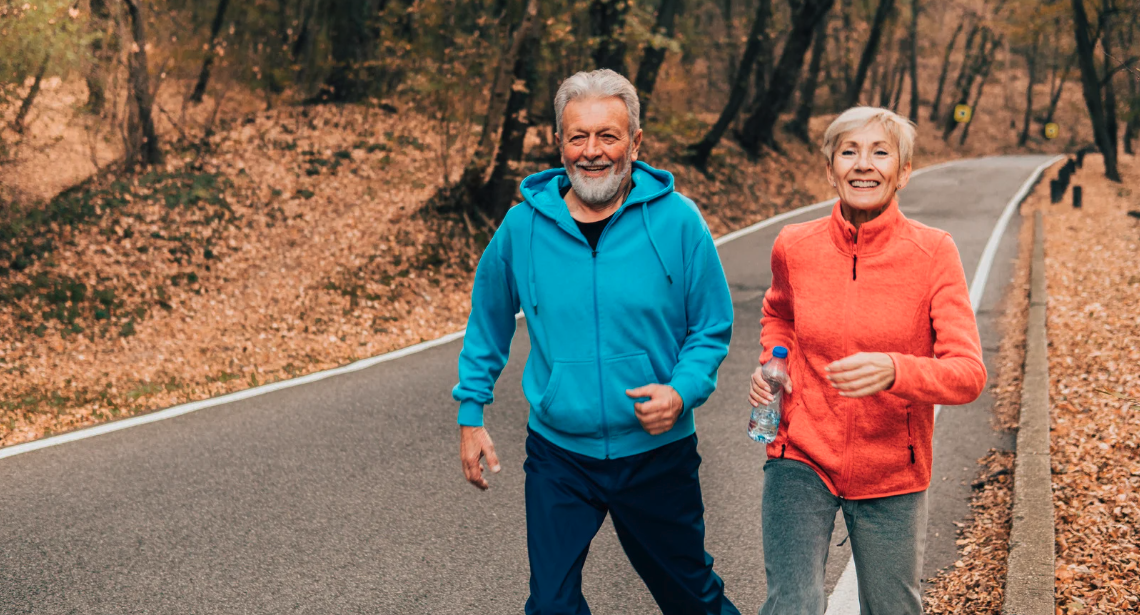
Many of you are familiar with the 10,000-steps-a-day walking trend, but you may not know where it originated. The idea of walking 10,000 steps per day did not come from scientific research; rather, it came from a marketing campaign for a pedometer ahead of the 1964 Tokyo Olympics. Since the Japanese symbol for 10,000 looks somewhat similar to a person walking (see image below), the pedometer was named Manpo-kei or 10,000 steps meter, and the 10,000-step-a-day walking trend was born.


We know walking is good for us, but what do researchers have to say about this 10,000 number? Is this the right number of steps? What are the health benefits of reaching this number?

A 2023 research study showed 8,000 to be the sufficient number of steps to yield significant health benefits. In this study, participants who took 8,000 steps or more on one or two days during the week showed substantially lower cardiovascular and all-cause mortality risk.

Stanford Lifestyle Medicine Movement and Exercise pillar member Corey Rovzar, PhD, DPT, puts the 8 and 10 thousand numbers into perspective. “What is more important than hitting an exact number is that you’re moving more throughout the day,” says Dr. Rovzar. “If looking at a pedometer and trying to hit 8,000 steps will help you move more, then it’s a great tool, but rather than fixating on an exact step count, I recommend you think about your day and envision opportunities to move.”

Rather than walking all 8,000 steps in one go, which would take about 80 minutes at three miles per hour, Dr. Rovzar recommends walking the 8,000 steps throughout the day, such as in the morning and evening and after each meal. For example, you could split the 8,000 steps (80 minutes of walking) into four, 20-minute walks. If you stick to the 10,000-step goal (100 minutes of walking), that breaks down to five, 20-minute walks. This recommendation is good news for those who sit at a desk since taking several short walks during the workday is a perfect way to take a break. “It is important to note that all steps count! Even a few steps to the bathroom or to another room contributes to this overall count,” says Dr. Rovzar.

Ideas on How to Meet Your 10,000 Steps Goal:

  • Take the stairs instead of the elevator.
  • Walk more during errands by parking your car farther away from your destination or getting off the bus or train a stop early.
  • Walk more during your work day by taking a “walking meeting” or walking while on the phone.
  • Walking after each meal can help with digestion, blood sugar management, and cardiovascular health.
  • Walk every morning, evening, and during your lunch break. Even 10 to 15 minutes of walking can add up to 1,000 steps.
  • Catch up with a friend by going on a walk instead of meeting for coffee.
  • Use a step tracker to help you stay motivated and track your progress.

How to Get More Out of Your 10,000 Steps

If you’re already walking 8 to 10 thousand steps daily, you may be ready to take your walking to the next level. If so, Dr. Rovzar recommends adding modifiers to your walking routine to help you meet additional fitness goals, such as improving balance or building muscle.

Here are a few of Dr. Rovzar’s recommendations for intensifying your daily stroll and gaining more health benefits:

1) Cardiovascular (Endurance) Modifier:

Interval walking

Interval walking involves alternating fast and slow walking cycles. Researchers recommend five intervals of fast and slow phases, each lasting roughly three minutes. The effort expended should be 40 percent of your maximum effort for the slow phase and 70 percent for the fast phase.

2) Muscular Strength Modifiers:

Walk up and down hills or stairs multiple times

If you are looking for strength benefits, hills may become your new best friend. Walking hills or stairs not only has excellent aerobic benefits but also serves as a great form of strength training.

Add ankle and wrist weights or wear a weighted backpack

Another strength training modification is adding weight to your walk, either with ankle or wrist weights or by rucking. The term rucking originated during boot camp training and involves using weighted vests or backpacks while hiking or walking.

3) Balance Modifiers:

Take side steps

March (i.e., lift your knees as you walk)

Walk backwards

It is essential to perform balancing exercises as we age. Implementing side steps, marching, or walking backward are great ways to train your body to handle non-forward-facing movements, enhance joint mobility, and improve flexibility. Balance training is also an effective way to strengthen different muscle groups. For example, side steps engage your abductors, which are hip muscles involved in getting out of your car and transitioning out of bed in the morning.

4) Cognition Modifier:

Dual-task training

Cognition may also be enhanced with walking practices, like dual-task training. This practice involves performing a mental task while walking, such as talking to someone while walking, keeping step time to a metronome, or counting backward from 100. Combining the mental task with the physical action of walking forces the walker to increase concentration, which sharpens the mind and improves balance and stability.

Whole Body Health Benefits

In addition to the physical benefits walking offers, Dr. Rovzar says that walking improves mental clarity and well-being. Taking a step away from work and going on an outdoor walk can help you overcome mental roadblocks. Studies have found mental health benefits from walking outside in nature, including decreased cortisol levels, diastolic and systolic blood pressure, and pulse rate. While using a treadmill may be a great way to multitask and get in extra movement, there are considerable mental health benefits from taking a break outside, getting fresh air, and stopping to smell roses and pet dogs on your walk.

“We often strive to maximize our time working, but in reality, you might not be saving yourself time by omitting the breaks,” says Dr. Rovzar. “I recommend getting out of your work environment and going for an outdoor walk every couple of hours during the workday, even if it’s just five-minutes of movement to get your blood flowing.”

Practice of the Month:

Walk 5 Days per Week for 30 minutes with a Modifier

The US guideline for moderate physical activity is 150 minutes per week (which breaks down to five 30-minute brisk walks with a modifier per week). To ensure you’re improving muscle strength, balance, endurance, and cognition every week, Dr. Rovzar recommends assigning different modifiers to different days.

Sample Walking Routine (30 minutes per walk):

Monday: Walking up and down hills on Mondays (endurance)

Tuesday: Rucking (strength)

Wednesday: Incorporating intervals of side-stepping, marching, and walking backward (balance)

Thursday: Interval walking (endurance)

Friday: Adding ankle and wrist weights (strength) while counting backward from 100 with each step (cognition)


If a 30-minute walk seems too daunting, Dr. Rovzar suggests starting with 10 minutes of walking and incrementally working your way up to 30 minutes daily. “Much of this comes down to goal setting,” she says. “If you set too lofty of a goal, it becomes unachievable, but if you break your goal down to an amount that seems feasible and perhaps try it just for a week, it becomes more likely you will remain consistent in attaining it.”

By Mary Grace Descourouez, MS, NBC-HWC


We all know about the Olympic Decathlon (ten track and field events held across two consecutive days), but have you heard about the Centenarian Decathlon?

Stanford alumni Peter Attia, MD, coined the term Centenarian Decathlon as the ten physical tasks you want to be able to do at age 100 (or in the final decade of life).

Everyone’s list is likely different, but the following is Dr. Attia’s personal list from his book Outlive. The list includes both common exercises as well as functional movements and lifestyle actions that most of us take for granted in middle age.

Dr. Peter Attia’s Centenarian Decathlon:

  1. Hike 1.5 miles on a hilly trail
  2. Get up off the floor using a maximum of one arm for support
  3. Pick up a 30-pound child from the floor
  4. Carry two five-pound bags of groceries for five block.
  5. Lift a 20-pound suitcase into the overhead compartment of a plane
  6. Balance on one leg for 30 seconds with eyes open. (Bonus: eyes closed for 15 seconds)
  7. Have sex
  8. Climb four flights of stairs in three minutes
  9. Open a jar
  10. Do thirty consecutive jump-rope skips

“There is a difference between lifespan and healthspan. Lifespan is the number of years you’re on this planet, but healthspan is the number of years that you’re healthy—being able to live independently and partake in activities you enjoy,” says Jonathan Bonnet, MD, MPH, and Clinical Associate (Affiliated) Professor at Stanford University School of Medicine. The Centenarian Decathlon requires a thoughtful analysis of what ‘health’ means for you as you age. Creating a personalized Centenarian Decathlon can serve as a powerful motivator and will help inform what types of exercises need to be done now in order to achieve those goals in the future.”

 Creating your own Centenarian Decathlon

Think about what you value in life. Is it being able to play with kids or grandkids? Traveling? Hiking? Sailing? Creating delicious meals in the kitchen? Identifying what is most important in your life will inform which activities will be on your personal Centenarian Decathlon.

“When creating your list of 10 functional activities, pair them with exercises that cultivate the type of abilities you would need to enjoy the activities you love,” says Dr. Bonnet. “For example, if you want to be able to play with a grandchild, being able to ‘lift 30 pounds from a squat position’ would be a valuable objective, as it would mimic picking up a small child from the floor.”

Here are examples of activities and values for a Centenarian Decathlon.

If you:

  • Enjoy bike rides with your spouse – Ride a bike for 1 hour.
  • Live in the snow and value being independent – Shovel snow off a driveway.
  • Enjoy playing golf with friends – Play 18 holes of golf.
  • Enjoy walking your dog – Walk 10,000 steps in a day.
  • Enjoy international travel – Lift a 20-pound suitcase into the overhead compartment. Climb 30 stairs without stopping.
  • Enjoy cooking – Lift a cast iron skillet with one hand. Carry two five-pound bags of groceries up four flights of stairs. Open a jar.
  • Enjoy being in nature – Hike up a steep hill for 10 minutes, operate a kayak, or whatever your favorite outdoor activity is.
  • Enjoy swimming in a pool – Tread water for 10 minutes. Get out of a pool without a ladder.
  • Enjoy dancing with your family in the kitchen – Perform 30 jumping jacks in one set for aerobic endurance.
  • Enjoy playing with children – Deadlift 30 pounds (to lift a young child from their crib or the floor). Get up off the floor using only one arm for support.

Lastly, it’s important to include activities that meet the following four fitness goals, which are important for healthy aging.

Fitness Goals Important for Healthy Aging:

1) Build muscle strength by doing activities such as:

  • Perform 10 push-ups in one set.
  • Perform 20 squats in one set.
  • Perform 10 bicep curls with 20-pound weights.

2) Cultivate stability, flexibility, mobility, and balance by doing activities such as:

  • Complete 30 minutes of Yoga or Pilates.
  • Walk up and down stairs with feet pointed perfectly forward (this is a sign of good ankle mobility).
  • Do a plank in perfect form for one minute (any core workout).

3) Increase maximal aerobic capacity (i.e., VO2 max or maximum oxygen consumption)

You can increase VO2 max with interval workouts where you give roughly 90 percent effort for a short amount of time (ideally 3-5 minutes), followed by a recovery period. Shorter intervals can be used initially to increase VO2 max, however, the duration of sessions should be increased for optimal results.

Examples include:

  • Perform 30 jumping jacks in 40 seconds, followed by 30-40 second recovery period (work up to repeating 6 times).
  • Perform 3 minutes of stair climbing, followed by a 3-minute recovery (work up to repeating five times).
  • Perform 4 minutes of interval running followed by a 4-minute recovery (work up to repeating)

4) Improve aerobic efficiency

You can improve aerobic efficiency with longer duration, steady state physical activity. These workouts are done at a much lower intensity, where you can hold a conversation, but not sing a song. The absolute intensity will vary depending on fitness, but could include activities, such as:

  • Walking 3-4 miles in 1 hour
  • Jogging for 30 minutes while maintaining a conversation
  • Riding a bike for 45 minutes at a 12-14 mph pace

“Each of these areas is important, though having a high VO2 max will generally allow one to do most things on a Decathlon list. If you can jog, that means you can hike. If you can hike, that means you can walk for three miles. If you can walk for three miles, you can likely go up a flight of stairs, and so on,” says Dr. Bonnet. “It’s not that VO2 max is magical by itself, it’s that it requires a certain amount of strength, stability, and aerobic efficiency to be able to attain a high VO2 max level.”


Now, take a moment to make YOUR list of 10 activities you’d like to do when you’re 100 (or in your final decade). Be sure to have a mix of strength, stability, VO2 max, and aerobic efficiency activities. Add a column to the right to note why this activity is valuable to you.

For example, at age 100, I want to:

  • Deadlift at least 50 pounds | in order to pick a suitcase up off the ground
  • Do a body weight step up | in order to be able to get up off the floor unassisted
  • Climb 4 flights of stairs in 3 minutes | in order to walk independently (e.g., hike up a hill, walk up a broken escalator at an airport, etc.) without requiring an elevator or ramp
  • Walk 2 miles in 1 hour | in order to walk my dog every evening

Continue until you’ve reached 10 activities.

Centenarian Decathlon is a Framework for Longevity

Now that you have your list, you need to make a plan regarding how you’re going to achieve the 10 goals listed on your personal Centenarian Decathlon. Since we naturally lose strength and aerobic capacity as we age, whatever it is we want to be able to do at age 100, we need to be doing much more now.

In his book, Dr. Attia writes: “Over the next thirty or forty years, your muscle strength will decline by about 8 to 17 per­cent per decade—accelerating as time goes on. So, if you want to pick up that thirty-pound grandkid or great-grandkid when you’re eighty, you’re going to have to be able to lift about fifty to fifty-five pounds now. Without hurting yourself. Can you do that?”

It’s time to ask ourselves, if we want to attain these 10 goals, what daily actions must we do now to get there?

Look at your list of 10 activities and add a column: What do I need to do now to be able to do this activity at age 100? Include the area of fitness and be sure all four areas are addressed at least once in your list of 10.

Note: a general rule of thumb that can be used to estimate approximate strength loss over 50 years is that the load at age 40 should be roughly 150 percent of what the intended goal is at 90 years old.

For example, at age 100, I want to:

  • Deadlift 30 pounds | in order to pick up a suitcase off the ground | so, now I need to deadlift 75 pounds (muscle strength)
  • Do a body weight step up | in order to be able to get up off the floor unassisted | so, now I need to do a step up holding dumbbells equal to 50 percent of my body weight (stability, balance, flexibility, mobility, muscle strength)
  • Climb 4 flights of stairs in 3 minutes | in order to walk independently (e.g., hike up a hill, walk up a broken escalator at an airport, etc.) without requiring an elevator or ramp | so, now I need to do climb 10 flights of stairs in 3 minutes (VO2 max)
  • Walk 2 miles in 1 hour | in order to walk my dog every evening | so, now I need to walk 5 miles in 1.5 hours two times per week (aerobic efficiency)

Continue until you’ve reached 10 activities.

Revisit this list every five years to update the column: Am I on track? What do I need to do now to be able to do this activity at age 100?

There you have it! Now you have a personalized framework for longevity and a specific pathway to win your very own Centenarian Decathlon. Be sure to take out this list on your 100th birthday and try out each activity!

“Having a personalized Centenarian Decathlon is valuable because it translates activities that matter most to you into tangible metrics that can be tracked over time,” says Dr. Bonnet. “While we may not be competing for a gold medal at the Olympics, the Centenarian Decathlon promises something better. A lifetime of being able to do the things we love with the people (and pets) that matter most.”

By Sean Nguyen and Corey Rovzar, PhD, DPT

Joint pain is common and can be a limiting factor in work, recreation, and overall quality of life. Osteoarthritis, caused by degeneration of the cartilage between joints, affects 32.5 million adults in the US, and nearly 600 million adults worldwide. It most often occurs in the joints we move and bear weight through the most like the hands, hips, and knees. Certain factors such as injury or overuse, age, weight, sedentary behavior, smoking, or gender (with women often experiencing higher rates of osteoarthritis) may increase the risk of developing osteoarthritis. Currently, there is no cure or reversal for the degenerative changes in osteoarthritis, making it the leading cause of permanent disability.

Without a cure for degenerative joint diseases, medical professionals often treat osteoarthritis with pain medications. While pain medication use may be helpful in the short-term, long-term use can lead to stomach, kidney, liver, or heart damage. While medications certainly have their place in the treatment of osteoarthritis, our goal is to investigate what more can be done by exploring lifestyle medicine approaches to improve joint health.

Adopting these lifestyle medicine strategies may help you manage your joint pain and enhance your overall daily quality of life, paving the way for smoother, more comfortable days ahead.

Nutrition Choices to Reduce Arthritis Pain

One of the most basic but often overlooked lifestyle changes we can make comes in what we choose to eat. Our dietary choices not only fuel our bodies but also fuel the health and function of our joints. Understanding how specific foods and nutrients impact joint health can empower us to make informed decisions that support our joint health.

The Western diet, a common dietary pattern in the US, is high in calorie-dense processed foods, unhealthy fats, and low in nutrients and fiber. High sugar intake has also been linked to arthritis pain. High-calorie diets that lead to weight gain can lead to increased joint degeneration, but simultaneously the Western diet can increase the inflammatory process of joints, which compounds their degeneration.

Specifically, the Western diet has been linked to a higher risk of both radiographic and symptomatic worsening of knee osteoarthritis when compared to a Mediterranean-like diet. In contrast, the Mediterranean diet, rich in legumes, fruits and vegetables, whole grains, and healthy fats is known for its joint health benefits. Switching diets may reduce pain and inflammation, boost mobility, and slow cartilage degeneration.

Supplements to Reduce Arthritis Pain

Omega-3

Beyond dietary choices, there is growing interest in the potential of nutritional supplements to further support joint health and mitigate osteoarthritis.

The future of osteoarthritis treatment may involve targeting inflammatory mediators, and one supplement shown to decrease inflammatory mediators is omega-3 fatty acids. Another study found that a specialized resolving mediator derived from omega-3 fatty acids, resolvin D1 (RvD1), yields promising therapeutic potential in joint inflammation. RvD1 is thought to protect chondrocytes from inflammatory damage and promote their proliferative and repair capabilities.

In studies involving human subjects, RvD1 has been shown to have a similar protective antioxidant effect on chondrocytes and lead to resolution of both acute and chronic joint inflammatory processes. By decreasing overall inflammation within the joint, RvD1 may preserve joint homeostasis and support long-term joint health.

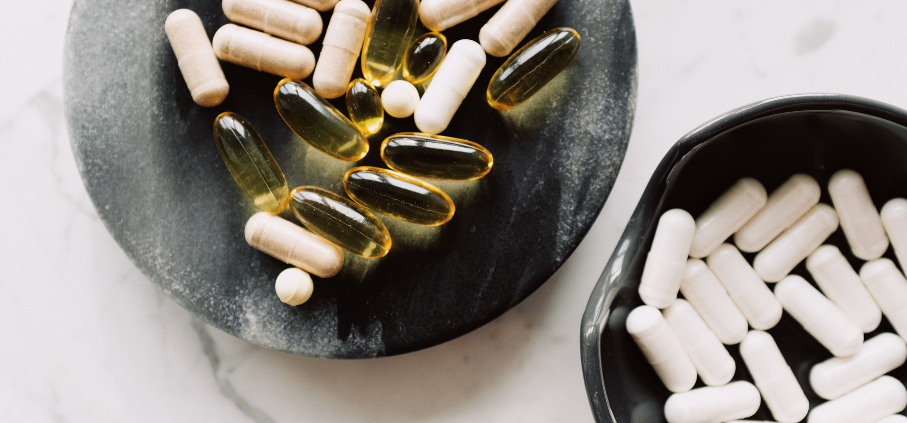
For those with osteoarthritis, it is recommended to take 350-2400 mg of omega-3 supplementation per day for optimal relief of joint pain and improvement of joint function.

Omega-3 supplementation to increase RvD1 levels, combined with a low-inflammatory diet such as the Mediterranean diet, offer potential nutritional elements that could help lower systemic inflammation and promote optimal joint health. This diet and supplementation combination has potential impacts for those with osteoarthritis as well as joint pain related to rheumatoid arthritis.

Rheumatoid arthritis occurs when the immune system improperly creates inflammation and attacks the lining of joints, leading to pain and stiffness. A systematic review found that omega-3 fatty acids reduce rheumatoid arthritis activity by decreasing inflammation and oxidative stress, partly through gut microbiota benefits. Researchers advise combining the Mediterranean diet with at least twice a week consumption of oily fish (such as salmon) and/or two grams per day of omega-3 supplementation. To obtain recommendations specific to your needs, schedule a visit with a dietitian to optimize your dietary and supplementation needs.

Turmeric

Turmeric is another supplement commonly used to reduce joint pain. Turmeric is a medicinal herb that contains curcumin, which has been shown to reduce inflammation and pain at levels equivalent to pharmaceutical pain-relievers.

Numerous studies show that curcumin (which is found in turmeric) can be a great alternative for those intolerant to anti-inflammatory drugs. For example, this study showed that participants who took 1,500 mg per day of Curcuma domestica for four weeks experienced similar pain relief as those who took 1,200 mg of Ibuprofen, which sometimes has the side effect of abdominal discomfort. Another study showed 1,500 mg of curcumin per day offered equivalent pain relief to 100 mg of diclofenac, but with no side effects.

For those with osteoarthritis, it is recommended to take 1.5 grams (1,500 mg) per day of turmeric to reduce inflammation and offer joint pain relief. Also, taking piperine (black pepper) along with turmeric has been shown to potentially increase curcumin bioavailability, therefore increasing its efficacy. To obtain recommendations specific to your needs, schedule a visit with a dietitian to optimize your dietary and supplementation needs.

Sleep Factors to Reduce Arthritis Pain

Sleep variability and quality may be significant factors that can impact joint health. Research has shown that maintaining a regular sleep schedule is also important for quality sleep and reducing joint inflammation. Studies found that people who go to bed and wake up at regular times consistently reduce leukocyte platelet aggregates, a prominent mediator of joint inflammation that early research shows may contribute to multiple different types of inflammatory joint diseases.

Another important consideration is limiting sleep disturbances to improve sleep quality. Research suggests that joint inflammation, pain sensitivity, and rheumatoid arthritis disease progression may increase with consistent sleep disturbances. Poor sleep increases the production of proinflammatory marker NF-κB, which may further exacerbate symptoms of joint pain. For those who experience trouble sleeping, research has shown that established sleep interventions, such as cognitive behavioral therapy, may also be beneficial in reducing joint and back pain.

Lastly, lack of sleep impacts how people perceive pain, especially those with long-standing pain. However, it is important to note that restorative sleep can restore pain sensitivity back to normal. The amount of restorative sleep required to stabilize pain sensitivity depends on the duration of sleep deprivation, i.e. chronic sleep deprivation may require longer hours (more than 8 hours) of restorative sleep.

Movement to Reduce Arthritis Pain

While it may seem counterintuitive, movement can actually reduce joint pain, especially for those with osteoarthritis. Regular, low-impact physical activity helps maintain and improve the range of motion in affected joints by stimulating the production of synovial fluid, which lubricates the joints, reducing stiffness and pain.

To help understand this process, we can think of joints like hinges on a door. Over time, without regular use and maintenance, hinges can become stiff and creaky, making it difficult for the door to open and close smoothly. Like door hinges, joints in the body can become stiff and creaky when they aren’t moved or lubricated.

We can think of synovial fluid as WD-40 for joints. Just like we lubricate door hinges with WD-4 to reduce friction and allow the door to move freely, regular movement produces and circulates synovial fluid, which acts as a natural lubricant in the joint. This fluid reduces friction between our bones, nourishes the cartilage, and helps keep your joints flexible and pain-free.

Strengthening the muscles around the joints is another crucial benefit of exercise for joint pain relief. Strong muscles provide better support and stability to the joints, reducing the load and stress placed on them. This muscular support helps prevent further joint damage and alleviates pain by distributing the forces exerted on the joints more evenly. Additionally, exercise encourages the release of endorphins, the body’s natural painkillers, which can help reduce pain perception and improve mood.

While certain exercises may worsen lower body joint pain, such as those that increase loads on a joint (e.g., high-impact activities like running or jumping), there are many options to modify or perform different movements. For example, if you have knee or hip pain with a squat, try reducing the depth of your squat. By doing this, you are reducing the overall load on those joints. Low-impact activities such as walking, swimming, biking, yoga, and the elliptical can be excellent options for those with lower body joint pain as they tend to induce low loads through the knee and hip joints.

If performing lower body exercises isn’t working for you on a given day, this is a great time to work out other body parts like your core, chest, back, and arms. Even simple things like working on range of motion can go a long way in helping reduce pain.

So, just like applying WD-40 keeps door hinges functioning smoothly, incorporating regular, gentle movement into your daily routine keeps your joints well-lubricated and operating efficiently, reducing stiffness and discomfort.

By Yasaman Nourkhalaj

We all enjoy a healthy snack like nuts and fruits or a less nutritious option like chips and sweets between our main meals, but have you ever heard of an exercise snack?

“Exercise snacks are short bouts of movements, anywhere from 30 seconds to five minutes, that don’t require going to the gym or any prep work. They are snacks, not meals,” says Marily Oppezzo, PhD, certified personal trainer and head of Stanford Lifestyle Medicine Healthful Nutrition pillar. “They can be anything that gets your heart rate up to a vigorous level–like jogging up the stairs at work or doing 20 jumping jacks–and you can accumulate vigorous activity multiple times throughout the day.” 

Exercise snacks are ideal for busy people. In our fast-paced lifestyle, it is challenging for many people to find the time to go to a gym and complete a formal workout. Exercise snacks offer an alternative way for busy folks to get their heart rate up and experience health benefits without changing their clothes or breaking a sweat.

Additionally, research shows that exercise snacks performed throughout the day may be more beneficial than a one-hour stint at the gym after sitting all day.

What Are Examples of Exercise Snacks?

If you have two minutes in your workday to get a snack from the refrigerator, you also have two minutes to do an exercise snack. Dr. Oppezzo explains, “Exercise snacks aren’t just a two-minute leisurely walk break. You’ll want the one-to-five-minute workout to elevate the heart rate to a point where it becomes hard to speak in complete sentences.”

Below are some examples of exercise snacks that Dr. Oppezzo recommends:

  • Instead of taking the elevator or walking up the stairs at work, jog up the flights.
  • Do 30 seconds of jumping jacks and 30 seconds of push-ups, repeating for two minutes while your food is warming up in the microwave.
  • Do one minute of burpees in the middle of your workday. If you cannot jump due to joint pain, here are instructions for walking-back burpees: put your hands on the back of a chair, step back, do a push-up, step forward, come to a squat and then reach for the sky. Repeat.
  • Do three minutes of the “Pet the Puppy” exercise. Instructions: stand up with feet hip-width distance, squat down, and pet an imaginary puppy; stand up, take a high knee step over the imaginary puppy with one leg followed by the other; squat down again and pet the puppy on the opposite side. Repeat petting and stepping (or jumping) over the puppy on the both sides.
  • High-knee march or jog in place, driving also with your arms, while your coffee is brewing.
  • Enjoy five minutes of Zumba on YouTube during your lunch break.

“With my clients, I’ve observed that becoming breathless with three or four exercise snacks throughout the day can sometimes be more stress-reducing than doing one longer workout and sitting the rest of the day,” says Dr. Oppezzo. “After raising your heart rate through exercise, your body has to kick into ‘calm down’ mode and exercise snacks give your body an opportunity to calm down multiple times throughout the day.”

Dr. Oppezzo is currently working on several exercise snack research studies. One is comparing breaks of walking and strength breaks throughout a sedentary day, and the other is helping identify the best ways to help people build exercise snacks as a habit.

Most people understand that many hours of sitting can be a health risk, but rather than focusing on total hours of sitting per day, Dr. Oppezzo recommends that we think about the number of hours we sit continuously without large muscle group movements. Therefore, she recommends a two-minute exercise snack every few hours of sitting. “We don’t know the optimal cadence of taking a break–every hour is easy to remember, but it’s not practical for many people,” says Dr. Oppezzo. “I would aim for taking a break every couple of hours, and try to make a few of your breaks heart-pumping exercise snacks.”

What Are the Benefits of Exercise Snacks?

Exercise snacks offer numerous health benefits, including improved cardiovascular health, muscular strength, and cognitive enhancement. This review article of several studies on exercise snacks showed significant benefits on cardiorespiratory fitness, including decreased total cholesterol, increased oxygen consumption, and overall cardiovascular function. A prospective cohort study, which follows and measures people over a long period of time without giving them a particular intervention, found that participants who self-reported three-to-four minute incidental (or non-intentional) short bursts of physical activity throughout the day had a 31 percent reduced risk in physical-activity related cancer incidence, especially in adults who did not regularly exercise.

“People think they have to go to the gym and kill themselves every day to get a health benefit. They think you need to ‘go big or go home,’ but the research shows that 60 seconds of vigorous movement still counts,” says Dr. Oppezzo. “We make exercise too complicated, but it doesn’t have to be. Rather than seeing exercise as an obligation or a chore, we can use exercise as a tool to manage stress and feel better. We can keep it simple with exercise snacks.”