Tag Archive for: energy

By Mary Grace Descourouez, MS, NBC-HWC and Sharon Brock, MEd, MS

Screen Time and Sleep—It’s Different for Adults

Many of us have heard that looking at our phones or iPads at night can keep us awake due to light exposure, however, research shows this may be true for children, but there is not sufficient evidence to support this claim for adults.

“Young children have a greater sensitivity to light because more light gets to the retina of a child than an adult,” says Jamie Zeitzer, PhD, Co-Director of the Stanford Center for Sleep and Circadian Sciences. “Since adults have more opacities in their eyes and smaller pupils than children, less light passes through adult eyes, so there’s less of an effect on melatonin production.”

Melatonin is a hormone that makes us feel sleepy and is released when the eyes perceive darkness. Conversely, when we see natural light in the morning, we feel more awake because light hitting our eyes stops the production of melatonin.

Given this logic, it would seem reasonable that looking at our screens (smart phones, computers, iPads, etc.) at night could delay melatonin production and inhibit our ability to fall asleep, but Dr. Zeitzer says this is not the case.

While darkness enables melatonin production, suppressing melatonin production works by the brain comparing the amount of light we receive during at night with how much we received during the day. It’s the shift from light to dark that cues the release of melatonin, which is why we start to feel sleepy after the sun goes down.

Since natural sunlight emits 10,000-100,000 lux of light and phone screens emit 25-50 lux under usual conditions at night, Dr. Zeitzer says the light from our screens doesn’t have much of an impact on the melatonin cueing process.

“There just isn’t that much light coming from your phone,” says Dr. Zeitzer. “As long as you go outside during the day and get exposed to the intensity of natural light then the amount of light from a screen in the evening most likely won’t halt the production of melatonin.”

If it’s Not Light, What Keeps us Up at Night?

Rather than light exposure, Dr. Zeitzer believes that what is keeping us awake is what we are watching on our screens. Millions of Americans stay awake at night scrolling on social media looking at page after page of emotionally activating content and writing posts that lead to likes, comments, and followers. Others stay up to play games on their phones or computers, all of which stimulate the dopamine reward system in the brain, which is the basis of addictive behaviors.

“In the past, when a television show ended, you turned off the TV and went to sleep because there was nothing else to do,” says Dr. Zeitzer. “But now you could watch Netflix, look at apps or play computer games all night because this entertainment has been commodified to engaged with it for as long as possible; it’s optimized to never stop playing and this is causing sleep deprivation.”

When watching screens before bed, Dr. Zeitzer recommends that we not only avoid content that could be distressing, but also content that could stir excitement within us.

“In order to fall asleep, we need to reduce stimuli exposure and calm our mind and body,” says Dr. Zeitzer. “Even if you’re watching something positive, if it stirs excitement, the brain will release dopamine, and over time we can develop a dopamine addiction, making staying awake playing games or on social media much more fun that going to sleep.”

Lastly, Dr. Zeitzer says that he can’t make a general statement that nighttime screen use negatively affects everyone’s sleep. For some, their addiction to games or apps could make falling asleep a challenge, while others may watch soothing nature videos on their phones to help them relax and fall asleep. Therefore, Dr. Zeitzer suggests that you take note of how screens are impacting your sleep health by asking yourself these questions:

  • Is the content of your screen time making you feel distressed or excited? If yes, then you should not look at screens for about an hour before bedtime to calm the mind and body and prepare for sleep.
  • Also, do you engage with screens throughout the night when you could be sleeping? If so, you may have a dopamine addiction that is making screen time activities more enjoyable than sleep.

By Nicole Molumphy

How to Get More Benefits from 10,000 Steps per Day

Many of you are familiar with the 10,000-steps-a-day walking trend, but you may not know where it originated. The idea of walking 10,000 steps per day did not come from scientific research; rather, it came from a marketing campaign for a pedometer ahead of the 1964 Tokyo Olympics. Since the Japanese symbol for 10,000 looks somewhat similar to a person walking (see image below), the pedometer was named Manpo-kei or 10,000 steps meter, and the 10,000-step-a-day walking trend was born.


We know walking is good for us, but what do researchers have to say about this 10,000 number? Is this the right number of steps? What are the health benefits of reaching this number?

A 2023 research study showed 8,000 to be the sufficient number of steps to yield significant health benefits. In this study, participants who took 8,000 steps or more on one or two days during the week showed substantially lower cardiovascular and all-cause mortality risk.

Stanford Lifestyle Medicine Movement and Exercise pillar member Corey Rovzar, PhD, DPT, puts the 8 and 10 thousand numbers into perspective. “What is more important than hitting an exact number is that you’re moving more throughout the day,” says Dr. Rovzar. “If looking at a pedometer and trying to hit 8,000 steps will help you move more, then it’s a great tool, but rather than fixating on an exact step count, I recommend you think about your day and envision opportunities to move.”

Rather than walking all 8,000 steps in one go, which would take about 80 minutes at three miles per hour, Dr. Rovzar recommends walking the 8,000 steps throughout the day, such as in the morning and evening and after each meal. For example, you could split the 8,000 steps (80 minutes of walking) into four, 20-minute walks. If you stick to the 10,000-step goal (100 minutes of walking), that breaks down to five, 20-minute walks. This recommendation is good news for those who sit at a desk since taking several short walks during the workday is a perfect way to take a break. “It is important to note that all steps count! Even a few steps to the bathroom or to another room contributes to this overall count,” says Dr. Rovzar.

Ideas on How to Meet Your 10,000 Steps Goal:

  • Take the stairs instead of the elevator.
  • Walk more during errands by parking your car farther away from your destination or getting off the bus or train a stop early.
  • Walk more during your work day by taking a “walking meeting” or walking while on the phone.
  • Walking after each meal can help with digestion, blood sugar management, and cardiovascular health.
  • Walk every morning, evening, and during your lunch break. Even 10 to 15 minutes of walking can add up to 1,000 steps.
  • Catch up with a friend by going on a walk instead of meeting for coffee.
  • Use a step tracker to help you stay motivated and track your progress.

How to Get More Out of Your 10,000 Steps

If you’re already walking 8 to 10 thousand steps daily, you may be ready to take your walking to the next level. If so, Dr. Rovzar recommends adding modifiers to your walking routine to help you meet additional fitness goals, such as improving balance or building muscle.

Here are a few of Dr. Rovzar’s recommendations for intensifying your daily stroll and gaining more health benefits:

1) Cardiovascular (Endurance) Modifier:

Interval walking

Interval walking involves alternating fast and slow walking cycles. Researchers recommend five intervals of fast and slow phases, each lasting roughly three minutes. The effort expended should be 40 percent of your maximum effort for the slow phase and 70 percent for the fast phase.

2) Muscular Strength Modifiers:

Walk up and down hills or stairs multiple times

If you are looking for strength benefits, hills may become your new best friend. Walking hills or stairs not only has excellent aerobic benefits but also serves as a great form of strength training.

Add ankle and wrist weights or wear a weighted backpack

Another strength training modification is adding weight to your walk, either with ankle or wrist weights or by rucking. The term rucking originated during boot camp training and involves using weighted vests or backpacks while hiking or walking.

3) Balance Modifiers:

Take side steps

March (i.e., lift your knees as you walk)

Walk backwards

It is essential to perform balancing exercises as we age. Implementing side steps, marching, or walking backward are great ways to train your body to handle non-forward-facing movements, enhance joint mobility, and improve flexibility. Balance training is also an effective way to strengthen different muscle groups. For example, side steps engage your abductors, which are hip muscles involved in getting out of your car and transitioning out of bed in the morning.

4) Cognition Modifier:

Dual-task training

Cognition may also be enhanced with walking practices, like dual-task training. This practice involves performing a mental task while walking, such as talking to someone while walking, keeping step time to a metronome, or counting backward from 100. Combining the mental task with the physical action of walking forces the walker to increase concentration, which sharpens the mind and improves balance and stability.

Whole Body Health Benefits

In addition to the physical benefits walking offers, Dr. Rovzar says that walking improves mental clarity and well-being. Taking a step away from work and going on an outdoor walk can help you overcome mental roadblocks. Studies have found mental health benefits from walking outside in nature, including decreased cortisol levels, diastolic and systolic blood pressure, and pulse rate. While using a treadmill may be a great way to multitask and get in extra movement, there are considerable mental health benefits from taking a break outside, getting fresh air, and stopping to smell roses and pet dogs on your walk.

“We often strive to maximize our time working, but in reality, you might not be saving yourself time by omitting the breaks,” says Dr. Rovzar. “I recommend getting out of your work environment and going for an outdoor walk every couple of hours during the workday, even if it’s just five-minutes of movement to get your blood flowing.”

Practice of the Month:

Walk 5 Days per Week for 30 minutes with a Modifier

The US guideline for moderate physical activity is 150 minutes per week (which breaks down to five 30-minute brisk walks with a modifier per week). To ensure you’re improving muscle strength, balance, endurance, and cognition every week, Dr. Rovzar recommends assigning different modifiers to different days.

Sample Walking Routine (30 minutes per walk):

Monday: Walking up and down hills on Mondays (endurance)

Tuesday: Rucking (strength)

Wednesday: Incorporating intervals of side-stepping, marching, and walking backward (balance)

Thursday: Interval walking (endurance)

Friday: Adding ankle and wrist weights (strength) while counting backward from 100 with each step (cognition)


If a 30-minute walk seems too daunting, Dr. Rovzar suggests starting with 10 minutes of walking and incrementally working your way up to 30 minutes daily. “Much of this comes down to goal setting,” she says. “If you set too lofty of a goal, it becomes unachievable, but if you break your goal down to an amount that seems feasible and perhaps try it just for a week, it becomes more likely you will remain consistent in attaining it.”

By Maya Shetty, BS

Jumping into the Ice Bath Trend! Mental Health Benefits of Cold Water Immersion


Key Takeaways

  • Research shows that cold water immersion (CWI) may improve mental health by increasing endorphin and norepinephrine levels. 
  • CWI may also improve resilience to stress by decreasing cortisol levels.
  • CWI can be adapted to meet different wellness goals, whether for immediate relief or long-term mental health benefits.
    • For individuals seeking a quick boost in mood, daily cold water face immersions and occasional full-body plunges might be beneficial.
    • For those aiming for long-lasting benefits such as lowered cortisol levels, enhanced mood regulation, and increased resilience to stress, research shows that consistent full-body CWI may be beneficial.

Have you ever considered how taking a cold plunge might affect your mental state? Beyond the initial shock, CWI is proving to have profound effects on brain health and mental well-being. Initially popular as a recovery technique among athletes, it has now evolved into a bold wellness practice for those seeking to enhance their overall health. This practice, which involves plunging into cold water (roughly 10-15°C, 50-60°F), has ignited significant research interest, and emerging studies now suggest that CWI can improve mood, decrease stress, and potentially slow the progression of neurodegenerative diseases.

“I personally do cold water immersion and find it to be an immensely rejuvenating activity,” says Stanford Psychiatrist, Vanika Chawla, MD, member of the Lifestyle Medicine Cognitive Enhancement pillar.

CWI can take many forms, each involving its own protocol and equipment. The most common forms include:

  • Ice Baths: Traditionally utilized by athletes for recovery after intense physical activity, ice baths require submerging the body up to the neck in ice-cold water. Also known as cold plunging, this practice generally lasts only a few minutes and involves limited movement.
  • Cold Showers: A more accessible form of CWI, taking cold showers can offer many of the same benefits as ice baths but are easier to incorporate into daily routines.
  • Open Water Swimming: This active form of CWI involves swimming in cold rivers, lakes, or oceans, allowing for longer exposure times to the cold.
  • Cryotherapy Chambers: Though they do not involve water, cryotherapy chambers expose the body to extremely cold air temperatures for brief periods, stimulating a physiological response similar to that achieved through water immersion.

Choosing the type, temperature, and duration of CWI depends on your cold tolerance and the resources available to you. It is generally recommended to aim for a temperature that feels uncomfortable but still safe (no colder than 10°C, 50°F). If you have any form of access to cold water, whether it be a lake, a river, or your home shower and bathtub, you can participate in CWI and begin to explore its benefits.

Can Cold Water Plunges Improve Mental Health?

While the idea of diving into extremely  cold water seems unappealing to most, recent studies have shown that CWI offers emotional benefits. In 2021, researchers recruited undergraduate students to take a 20-minute dip in chilly sea water (13.6°C, 56.5°F) and report their emotions before and after using a Profile of Mood States questionnaire. Compared to controls, the students who engaged in CWI experienced a shift in mood, noting a significant decrease in negative emotions like tension, anger, depression, fatigue, and confusion. Moreover, they experienced boosts in positive emotions such as vigor and self-esteem. Further research involving thirty-three adults new to cold-water swimming highlighted similar benefits. After immersing in a cold bath (20°C, 68°F) for just five minutes, participants reported feeling more active, alert, attentive, proud, and inspired.

These studies, which utilize self-reported questionnaires, indicate that cold-water immersion may significantly enhance mood and overall psychological well-being. It appears to activate traits associated with increased motivation and vitality, while simultaneously diminishing feelings of distress and nervousness. 

How to Lower Cortisol Levels Naturally

CWI presents a unique stimulus for the body, prompting significant shifts in its hormonal stress response, particularly involving cortisol, a key regulator of stress. Unlike other stress hormones such as noradrenaline, cortisol levels remain relatively unchanged during the initial shock of cold water. Research highlights an intriguing aspect of cortisol dynamics: while levels do not significantly change during CWI, they significantly decrease afterward.

For example, a study concluded that a one-hour CWI session, whether in thermoneutral (32°C, 90°F), cooler (20°C, 68°F), or cold (14°C, 57°F) water, did not lead to an increase in blood cortisol concentrations. Instead, cortisol levels tended to decrease across all temperatures tested and remained below initial levels an hour after immersion. These findings suggest that cortisol production is not significantly activated by CWI, contrary to what might be expected under typical stress conditions. In fact, CWI may have potent stress-modulating effects. Further research indicates that cortisol levels remain considerably lower for up to three hours after just 15 minutes of CWI (10°C, 50°F). This pattern of response reveals a sophisticated regulatory mechanism, suggesting that CWI can effectively diminish feelings of stress following a session.

CWI may have the potential to modify our body’s stress response to stressors in everyday life. In a study where participants engaged in winter swimming (water 0-2°C, 32-36°F) for twenty seconds or cryotherapy (-110°C, -166°F) for two minutes, three times a week for twelve weeks, the body adapted remarkably. After just four weeks, participants showed significantly lower cortisol levels post-exposure, with levels continuing to drop in the following weeks. This adaptation contrasted with the noradrenaline response, which remained consistent even as the body became accustomed to the cold stress. This reduced cortisol response not only diminished the stress perceived from cold but also potentially enhanced the body’s capacity to manage other stressors more effectively. 

The main take away from this study is that by reducing cortisol production in response to repeated cold exposure, participants might also release less cortisol in response to other stressors in everyday life, thus fostering a more resilient physiological state over time.

“Resilience is the ability to adapt to life’s stressors and adversities,” says Dr. Chawla. “The body and mind are interconnected, therefore greater physiological resilience may lead to greater psychological resilience as well.”

How Cold Water Immersion Impacts the Brain

CWI has been scientifically observed to influence brain function, affecting mood, stress response, and potentially brain health through several mechanisms. The immediate physiological response triggered by CWI is largely due to the dramatic change in temperature. A dense concentration of cold receptors in the skin detects this change, leading to a surge of electrical impulses from peripheral nerve endings to the brain. This intense stimulation activates various neural pathways, initiating a cascade of chemical responses designed to help the body manage and adapt to the stressor.

During the initial shock of CWI, the body experiences stress and discomfort due to the sudden drop in temperature. To counteract this, endorphins, the body’s natural pain relievers, are released. These endorphins not only reduce pain but also enhance feelings of well-being, akin to the “runner’s high” that often occurs in other physically demanding or stressful situations. 

CWI also activates the sympathetic nervous system (SNS), which controls our “fight-or-flight” responses. This activation leads to a significant increase in noradrenaline (also known as norepinephrine), an excitatory neurotransmitter that not only helps manage stress but also boosts energy and focus. The surge in noradrenaline increases blood flow to the brain, potentially causing feelings of euphoria.

These two neurotransmitters play complementary roles. While norepinephrine prepares the body to handle acute stress by enhancing alertness and readiness, endorphins work to soothe pain and promote a positive mood. This dual response helps individuals cope with the immediate impacts of cold exposure more comfortably and can make the experience of cold water immersion more tolerable–and potentially even rewarding.

Regarding whether CWI has long-term positive effects on the brain, research indicates inconsistent results with respect to the increase of endorphin levels. It is possible that not everyone experiences this endorphin response to CWI, and among those who do, the effect may diminish over time, as the body becomes accustomed to the cold exposure. On the contrary, the increase in noradrenaline continues with each session of CWI, even after the body has adapted after months of regular practice. 

These findings underscore the potential of CWI to be used as a reliable tool for improving energy, focus, and mood. These findings also point to the potential of CWI to be used in the treatment of neurological conditions that involve low noradrenaline, including anxiety and depression. However, more research is needed to understand if CWI has long-term effects on emotional well-being outside the water.

Also, CWI may improve brain function through the release of cold-shock proteins, which are produced by the body in response to cold conditions. Animal studies reveal that proteins like RNA binding protein (RBM3) play a crucial role in repairing and regenerating nerve cell connections after they’ve been exposed to cold. Additionally, studies have demonstrated that over-expressing RBM3 can help prevent neuronal connection loss in mice with neurodegenerative diseases. Although there is limited evidence in humans, these findings in mice suggest that regular CWI could potentially boost the expression of such beneficial proteins in humans, offering protection against or slowing the progression of neurodegenerative diseases by preserving and reinforcing neural connections. 

Reaction to Cold Water: Full-Body vs. Facial Immersion

Physiological responses to CWI differ significantly based on whether the exposure is to the full body or just the face. Full-body immersion exposes a significant surface area to cold, inducing thermal stress that can substantially lower skin and core body temperatures. This extensive exposure activates the sympathetic nervous system, which in turn triggers a release of neurotransmitters and hormones that drive the stress response. Consequently, this leads to vasoconstriction, an increased heart rate, and a heightened metabolic rate, all of which help preserve body heat and maintain core temperature.

In contrast, immersing just the face in cold water activates parasympathetic activity, which is responsible for “rest and digest” functions in the body. This effect is likely due to the mammalian diving reflex—an evolutionary adaptation that optimizes respiration and conserves oxygen by preferentially directing oxygen to vital organs. The diving reflex is mediated by the vagus nerve, which activates the parasympathetic system and releases a sense of calm. The trigeminal nerve in the face also plays a crucial role when stimulated by cold, sending signals that further enhance parasympathetic output, decreasing heart rate, and boosting digestive activity. 

These differences highlight how CWI can be strategically used to target specific physiological responses and therapeutic outcomes, depending on whether the exposure is localized to the face or involves the entire body.

“I sometimes recommend facial cold water immersion to my patients as part of the T in TIPP skills to help people with emotion regulation. TIPP stands for temperature, intense exercise, progressive muscle relaxation, and paced breathing,” says Dr. Chawla. “These skills involve changing your body chemistry to shift emotions. Some people find brief facial immersion in cold water or taking a cold shower to be helpful in shifting their body chemistry and thereby shifting their emotional state.” 

Safety Considerations

CWI can offer several health benefits, but it’s essential to approach this practice with caution due to potential risks. One of the most obvious risks is hypothermia, as immersing in cold water significantly drops body temperature. To prevent hypothermia, limit immersion time to no more than 10 minutes

Furthermore, it is important to understand the cold shock response. Entering cold water suddenly can trigger an involuntary gasp reflex followed by hyperventilation. Hyperventilation increases the risk of drowning (especially in open water plunging) and can also lead to arrhythmias or even a heart attack, particularly in those with underlying heart issues. To better manage the cold shock response, it’s advised to enter the water slowly, allowing your body to adjust to the temperature gradually. 

It is also important to never swim alone regardless of your swimming strength or experience. Having a partner ensures that help is readily available in case of an emergency, such as cramps, sudden illness, or difficulty in the water.

Finally, remember to allow your body to gradually acclimatize to whatever CWI technique you choose. If you are a beginner, begin with shorter durations (2 minutes) in warmer water (roughly 20°C, 68°F), progressively moving to colder temperatures with longer durations as your body adapts.

“This intervention is not for everyone. It’s important for people to consider what works best for their individual needs,” says Chawla. “If you are going to try CWI, be mindful of how it impacts your mind and body and incorporate the activity into your routine accordingly.”

By Mary Grace Descourouez, MS, NBC-HWC 

The human gastrointestinal tract is home to trillions of microorganisms that create the gut microbiome. The gut is where the body digests and absorbs nutrients from our food and, therefore, where we get our energy to perform daily human functions. Microbiota are microorganisms in the gut microbiome that help the body harvest energy, fight pathogens, and regulate immunity. Having a high diversity of microbiota helps us to process food effectively, providing the substrates and nutrients needed to keep us going throughout the day. Therefore, it is crucial to make lifestyle choices that promote a healthy and diverse microbiome.

Many people know that a nutrient-rich diet contributes to a healthy microbiome, however, research shows that movement and exercise may also have a positive effect, and, inversely, a healthy microbiome may improve athletic performance.

“It is a relatively new field, but available studies suggest a bidirectional relationship between performance and the health of the microbiome,” says Anne Friedlander, PhD, Exercise Physiologist and Assistant Director of Stanford Lifestyle Medicine. “People who are more active have a healthier and more diverse microbiome, and that, in turn, provides the person with the nutrients required to enhance physical and cognitive performance. It is a mutually beneficial relationship.” 

How Exercise Improves the Microbiome

Movement and exercise have many benefits on our overall health, including positive effects on the microbiome. Studies show that athletes have a more diverse microbiome composition than non-athletes. Microbiome diversity is important because it helps make our food’s nutrients more bioavailable for optimal functioning of the body.

Another study found that active women were associated with high microbiome diversity compared to sedentary women. Specifically, researchers found that consistent physical activity increased the amount of 11 genera of “good” bacteria, including Bifidobacterium spp, Roseburia hominis, Akkermansia muciniphila, and Faecalibacterium prausnitzii

How the Microbiome Improves Athletic Performance

Just as exercise positively impacts the microbiome, emerging research shows that microbiome health may also play a part in enhancing exercise performance.

For example, a 2019 study showed that a specific gut microbiota in marathon runners may have enhanced their athletic performance on race day.  In this study, researchers collected fecal samples from the runners before and after the marathon and compared them to microbiota of non-runners. The “good” bacteria Veillonella emerged as the most common in the runners, especially post marathon. Veillonella is a bacterial strain that converts exercise-induced lactate into propionate, which is a natural enzymatic process known to enhance athletic performance.

Researchers then put the Veillonella bacteria from the marathon runners into lab mice who underwent a treadmill exertion test to investigate the hypothesis that this bacterial strain enhances athletic performance. The results showed the mice improved performance by 13 percent after inoculation. This study is one of the first to infer that a healthy microbiome could enhance athletic performance.

“We have a long way to go to fully understand the complex system that involves the microbiome and athletic performance, but the early data look promising regarding gut health and exercise,” says Dr. Friedlander.  “Exercise, along with eating fermented foods and fiber, is a great place to start if you want to improve your gut health and overall health.”

By Caitlin Aguirre, Adrian Vallejo, Matthew Kaufman, MD

This blog is part of our Supplements newsletter. If you like this content, sign up to receive our monthly newsletter!


Key Takeaways:

  • It is recommended to consult with a medical professional before taking the supplements listed in this blog.
  • Branched Chain Amino Acids stand out as a well-supported supplement for athletic recovery, aiding in faster physical recovery, decreased fatigue perception, and maintenance of lean mass. Recommended dosages range from 10 – 30 grams per day.
  • L-theanine shows promise in mental recovery post-exercise, with suggested doses ranging from 50 – 200 mg per day. 
  • N-acetylcysteine’s role in reducing perceived muscle soreness remains uncertain, with doses of 1200 – 1800 mg per day utilized for supplementation within existing studies.
  • Turmeric shows promise in alleviating muscle soreness at doses ranging from 1.5 – 5 grams of turmeric extract daily, although research is conflicting. Supplementing with piperine (black pepper) may enhance its effectiveness.
  • Ashwagandha holds the potential to reduce muscle soreness and improve athletic and mental recovery at a dose of 600 mg daily. While research on its effects is limited, current evidence suggests it’s generally safe for supplementation.

For high-performance athletes, achieving peak performance is not solely a result of pushing one’s physical limits. Even the best competitors experience fatigue, musculoskeletal pains, exercise-induced muscle dysfunction (EIMD), and delayed-onset muscle soreness (DOMS) that may impact their ability to sustain maximal training efforts and combat injury. In response to these physical ailments, often a sign of our bodies adapting to higher training loads, high-performance athletes have mastered the practice of athletic recovery.

The principles of athletic recovery can be thought of as a pyramid having a base of quality sleep, balanced nutrition, and hydration. These elements are the foundation upon which adapting to the demands of intense training is built. However, as committed athletes refine their sleep hygiene, prepare macro-friendly meals, and hydrate appropriately, they often look to ascend this metaphorical “athletic recovery pyramid” by utilizing nutritional supplements to gain an edge over their competitors. Previous literature has estimated that 40 – 100 percent of trained athletes have employed nutrient supplementation, depending on the definitions of trained athletes and supplementation.

In this blog post, we’ll explore the role of popular anti-inflammatory and antioxidant nutritional supplements, including BCAA’s, L-theanine (LTE), N-acetylcysteine (NAC), Turmeric, and Ashwagandha, and what role they may play in athletic recovery.

What are Branched Chain Amino Acids (BCAAs)?

BCAAs are a specific class of amino acids that have branched side chains. These include amino acids like leucine, isoleucine, and valine. Studies suggest that BCAAs are among the most commonly used supplements in trained athletes. These essential amino acids are broken down for fuel during exercise, and supplementation has been thought to provide substrate for anabolic (muscle-building) processes to prolong energy sources and protect against muscle damage and fatigue. Rather than a supplement, you may also consume BCAAs by eating foods high in leucine, such as salmon, chicken, cottage cheese, eggs, nuts, lentils, and beans.

Potential Benefits of BCAAs for Athletic Recovery

Our Recommendations

BCAAs are a supplement well supported by scientific literature that can shorten recovery time and decrease perceptions of fatigue. As an athlete, this may maximize athletic results by supporting the ability to continue long training sessions and return to sport quicker!

Dosing

Studies have shown positive outcomes with BCAA supplementation ranging from 0.087 – 0.22 grams per kg of body weight per day for at least eight days. Positive effects were also shown when the athlete took 20 grams one hour prior to exercise. While there’s no apparent consensus on the optimal dosing strategy, studies show that taking between 10 – 30 grams per day had no noted ill effects.

What is L-theanine (LTE)?

LTE is a non-proteinogenic amino acid that is structurally similar to glutamate. It is a primary component of the Camellia Sinensis plant, which is used to make green tea, and can also be found in smaller quantities in other foods, such as mushrooms, apples, and red wine.

Potential Benefits of LTE for Athletic Recovery

Our Recommendations

Since mental restoration following strenuous training or competition is vital for preventing burnout and enabling athletes to maintain a consistent level of high-intensity training, we recommend a supplement that provides mental recovery. Current evidence shows that LTE has the potential to aid mental recovery, however, further studies on larger sample sizes of athletes may be necessary for a comprehensive recommendation. 

Dosing

Although there is no clear agreement regarding the best dosing strategy for LTE, the studies examined in this review have demonstrated physiologic benefits with doses ranging from 50 – 200 mg per day. Within this range, LTE is considered safe for consumption and has demonstrated no toxic effects in both human and rodent studies.

What is N-acetylcysteine (NAC)?

NAC is a synthetic derivative of the naturally occurring amino acid L-cysteine. In the body, L-cysteine and NAC have direct antioxidative properties and serve as precursors to glutathione (GSH), another powerful antioxidant that prevents excessive molecular damage.

Potential Benefits of NAC for Athletic Recovery

  • May reduce perceived muscle soreness – Numerous studies evaluating the effects of NAC supplementation have shown mixed outcomes regarding the benefits of its antioxidative properties and ability to reduce muscle soreness.

Our Recommendations

Further investigations are necessary before clear conclusions can be drawn about whether NAC supplementation improves athletic recovery by decreasing perceived muscle soreness. 

Dosing

While there is no standardized dosing strategy for NAC supplementation, existing studies evaluated doses between 12001800 mg per day, with a loading period of at least three days. It’s important to note that exceeding 70 mg per kg of body weight may lead to negative side effects, including gastrointestinal upset, so it’s essential to monitor dosage and potential reactions carefully.

What is Turmeric?

Turmeric, Curcuma longa, is a commonly used medicinal herb that contains curcuminoids, including curcumin. Curcumin has been shown to have antioxidant effects and is associated with pain reduction, anti-inflammation, and chronic disease prevention and treatment.

Potential Benefits of Turmeric for  Athletic Recovery

  • May reduce perception of muscle soreness – Despite conflicting literature, numerous studies evaluating the effect of turmeric on whole and lower-body soreness and single-leg squat pain scores have found that its supplementation significantly reduced measures of muscle soreness. However, one recent meta-analysis found no significant effects on exercise-induced muscle damage or delayed onset muscle soreness. 
  • Taking piperine (black pepper) along with turmeric has been shown to potentially increase its bioavailability and may increase the efficacy of this supplement.

Our Recommendations

According to the literature, turmeric, or curcumin, seems to be a safe supplement for potentially reducing perceived muscle soreness following exercise. However, further study is needed to confirm the extent of turmeric’s efficacy due to the presence of conflicting research. It’s worth noting that simultaneously supplementing with piperine (black pepper) may positively influence its effectiveness.

Dosing

There is no standardized dosing strategy, however, doses ranging from 1.5 – 5 grams of turmeric extract daily, perhaps with piperine (black pepper), may be helpful in exercise recovery. Higher doses of 10 mg and above have been shown to produce mild negative side effects, including headache, diarrhea, yellow stool, and rash. Take caution when consuming higher doses is warranted as the literature on safety and side effects is limited. 

What is Ashwagandha?

Ashwagandha, or Withania somnifera, is an adaptogenic herb commonly used in Ayurvedic medicine. It has gained traction within the fitness community due to some preliminary studies showing an association between the supplement and enhancing muscle strength, muscle endurance, and cardiorespiratory fitness while counteracting chronic fatigue, weakness, nervous exhaustion, and premature aging. The mechanisms by which ashwagandha may improve physical recovery in humans are not well understood but are hypothesized to be at least partially due to antioxidant properties and endocrine effects.

Potential Benefits of Ashwagandha for Athletic Recovery

  • May reduce perception of muscle soreness – Supplementation has been found to decrease one’s perception of muscle soreness after exercise. This effect on muscle soreness is attributed to its antioxidant properties and its hypothesized ability to be converted into testosterone and DHEA, however, further study is needed to elucidate the exact mechanism.
  • May reduce recovery time – While evidence for this effect is minimal, two studies found significant improvement in participants’ perceived athletic recovery experiences. 
  • May promote mental recovery – One study found that supplementation lowered participants’ perception of general stress, fatigue, and lack of energy and improved general well-being scores compared to placebo.

Our Recommendations

The literature on the effects of ashwagandha on athletic recovery is minimal, however, current studies suggest that it is a safe supplement that may reduce one’s perception of muscle soreness and improve athletic and mental recovery following exercise. 

Dosing

There is no standardized dosing strategy, however, studies show that 600 mg of ashwagandha daily may be helpful in exercise recovery. Common side effects may include drowsiness, epigastric discomfort, and loose stools. Less common effects include mild CNS depression, increased thyroxine levels, hallucinations, blurred vision, vertigo, nausea, decreased appetite, constipation, hyperacidity, nasal congestion, dry mouth, hyperactivity, nocturnal cramping, skin rash, and weight gain.

By Sharon Brock, MEd, MS

This blog is part of our Nutrition newsletter. If you like this content, sign up to receive our monthly newsletter!


Key Takeaways

  • For adults aged 50+, we recommend consuming 1.2  – 1.6 grams of protein/kg of body weight per day (0.54 – 0.72 grams/pound body weight per day). For a 165-pound adult, this translates to roughly 90 – 120 grams of protein per day.
  • To build muscle past the age of 50, we need to eat enough protein AND do weight training, and consume 30 – 35 grams of protein within two hours of the workout.
  • Due to anabolic resistance, which increases as we age, it’s recommended to increase protein intake per meal to roughly 30 – 35 grams.
  • Here is a detailed list of the protein content of various foods.

While looking at the menu at your favorite café and deciding whether to add salmon to your salad, it’s important to remember that we should strive to eat protein with every meal for optimal health. Protein is found in animal products, such as meat, fish, eggs, and dairy, as well as beans, tofu, nuts, and many vegetables. In your daily life, protein is the milk in your coffee, the eggs and cheese in your omelet, the chicken and beans in your burrito, and the handful of almonds as your afternoon snack.

Protein is essential for a multitude of functions in the body. Not only does protein support the building of our muscle mass, it helps the body repair tissues and cells, makes immunoglobulins and antibodies to fight infection, and drives metabolic reactions like digestion for energy production. It also makes up hormones, like insulin, provides structure in the body, such as bone and collagen, balances fluids and pH, as well as transports nutrients throughout the body, like blood sugar and cholesterol.

“It’s important to learn about protein and make sure we are eating enough because it’s a major building block of our bodies,” said Marily Oppezzo, PhD, MS, RDN, DipACLM, Nutrition Scientist and Head of the Stanford Lifestyle Medicine Nutrition Pillar. “We need to eat enough protein every single day to get the essential nutrients necessary for optimal health and functioning.”

How Much Protein Do You Need Every Day?

The federal guideline for individuals aged 19 and older is 0.8 grams of protein per kilogram of body weight. For a 165-pound adult, this translates to roughly 60 grams of protein per day (equivalent to consuming an 8oz salmon fillet and a handful of almonds). Many nutrition experts, however, believe this amount is too low, especially for those over 50.

“There is a growing body of evidence, particularly by researcher Stuart Phillips, that shows health benefits of consuming higher amounts of protein as we age, including slowing down age-related loss of muscle mass,” says Dr. Oppezzo. “There’s a difference between just surviving and thriving. For those over 50, I’d recommend between 1.2 grams / kg of body weight to 1.6 grams / kg of body weight, which is roughly double the federal recommendation.”

A recent study recommended that adults aged 18 to 30 consume 0.8 – 0.93 grams of protein per kilogram of body weight, with an increase of 0.85 to 0.96 grams / kg after the age of 30. For those over 65, another study recommended 1.2 – 2.0 grams / kg of body weight per day.

Dr. Oppezzo says that eating protein is not sufficient for building muscle—we must also strength train as we age. Researchers from this study recommend a protein intake higher than 1.6 grams / kg of body weight per day combined with resistance training to improve muscle strength. “Protein is important, but strength training is THE most important way to prevent age-related muscle loss, and it’s important to consume around 30 grams of protein within a couple of hours after working out,” she says. “First, give your body a reason to get stronger and build muscle (lifting weights), then give it enough materials (consuming protein) to build.”

Why Do We Need More Protein as We Age?

Starting around age 30, our body goes into maintenance mode, and our muscle mass starts to decline roughly one to two percent per year. And, as we age, the rate of decline increases by three to 10 percent per decade. Once we reach our 60s and beyond, the accumulated decline of muscle mass can increase the risk of falling, bone fractures, hospitalization, and earlier death, making the topic of protein consumption relevant to longevity.

“As we get older, we move less, and we eat less, and if we are not paying attention to our activity level and protein consumption, we can become frail,” says Dr. Oppezzo. “This becomes more important as we age because we become more anabolic resistant. Anabolic resistance is basically a reduced stimulation of muscle protein synthesis to a given dose of protein—it’s like you need to speak louder (more protein) for your muscles to hear (grow).”

Over the last ten years, there have been many studies on anabolic resistance. One study measured the amount of muscle synthesis between men aged ~22 and men aged ~71. The researchers gave each group a meal containing 20 grams of protein and then tested the degree of muscle synthesis. In the same sitting, both groups ate an additional 20 grams of protein, followed by a second test of muscle synthesis.

For the ~22 aged men, there was no difference in muscle synthesis between eating 20 or 40 grams of protein in one sitting. But for the ~71 aged men, their muscles were unresponsive to 20 grams of protein; they needed 40 grams. Specifically, the ~71-year-old group needed 0.4 grams / kg of body weight per meal, whereas the ~22  year-old-group only needed 0.2 grams / kg of body weight.

“The men in their 70s needed more than 20 grams of protein at a time to get their muscles to listen,” says Dr. Oppezzo. “Though they didn’t do this same elegant study in women, I imagine it is the same.”

Since protein consumption supports just about every function in the body, the body will utilize the amino acids where they are needed, such as the functioning of the brain, liver, immune system, or gastrointestinal tract. Unfortunately, maintaining muscle strength can be last on that list. Therefore, individuals over 50 need to consume enough protein to maintain the healthy functioning of their organs and keep their muscles strong.

“Within a meal, we must eat enough protein to wake up our muscles and say, ‘you have enough protein and calories to build,’ but in older adults, maybe the body is instead going to use that protein for energy or to support another function,” says Dr. Oppezzo. “I think muscle growth is a bit like remodeling your kitchen. You don’t remodel your kitchen if you can’t afford your utility bill. And, I think—as we age—the remodelers require more up-front cash.”

How Much Protein Do We Need Per Meal?

One study shows that there is no “upper limit” to the amount of protein we should eat in terms of our muscles’ ability to utilize it. However, Dr. Oppezzo suggests that we still spread out our protein throughout three meals a day.

Eating 20 grams of protein per meal might be enough if you’re 25 years old, but for those aged 50 or above, Dr. Oppezzo recommends 0.4 grams / kg of body weight per meal (which translates to 30 grams of protein per meal for a person who is 165 pounds).

Dr. Oppezzo says there are occasions when individuals may need to eat more towards the 1.6 grams / kg of body weight end of the range, such as competitive athletes or those recovering from an infection, hospitalization, or surgery. She also urges people who are intermittent fasting or on a very low-calorie or restrictive diet to make sure they are still consuming adequate protein.

“If we don’t eat enough protein during the day, where do we get our amino acids from? From our muscles!” exclaims Dr. Oppezzo. “I wouldn’t panic about a single day, but it’s not a great long-term plan.”

What are the Best Sources of Protein?

Luckily, every food has some protein in it! And most would agree that getting protein from a whole food source is always better than getting it from a powder. Whole foods have many other nutrients that are part of the package, and since we chew, swallow, and digest whole food at a specific rate, protein-rich foods enter the body more naturally than powders.

If you need to supplement with a protein powder, Dr. Oppezzo recommends whey protein or pea protein (vegan option). The most important amino acid needed to build muscle is leucine, which is found in high quantities in whey and milk. Researchers from this study found that leucine enhanced muscle protein synthesis in women aged 65 to 75, suggesting that older women should ensure that leucine is part of their protein intake.

“Although my mom, who is in her 70s, exercises every day, I’ve tried to supplement her activity by emphasizing eating enough protein every day and lifting weights weekly to keep her strong,” says Dr. Oppezzo. “I’m passionate about getting this information out there. It can help many people in their 50s and beyond maintain optimal health and live their best lives as they age.”


By Carly Smith, BS, MPH(c) 

This blog is part of our Nutrition newsletter. If you like this content, sign up to receive our monthly newsletter!

MOVE! is a weight management program offered to veterans by the U.S. Department of Veterans Affairs (VA). The program includes science-backed curriculum and practices adapted from the VA’s Whole Health program, an interdisciplinary and patient-centered program that empowers veterans to take control of their own health and wellbeing. 

“Research shows that nutrition is often more influential for weight loss than exercise,” says Stanford Lifestyle Medicine expert Robert Oh, MD, MPH, and Chief, Well-being Officer (CWO) at the Palo Alto VA. “A lot of things matter for weight loss and two big influences are diet and stress management, which is why we include the Whole Health educational model into our MOVE! program.”

“People may come for weight loss, but they stay when they realize how involved and influential the program can be for them to change their whole life,” says Michelle Truong-Leikauf, MS, RD, and MOVE! Program Coordinator. 

A Holistic Weight-Management Program

“Although the program is designed for weight loss, we look at the person holistically and focus on the aspects of health and weight loss that people can actually control and what they want to focus on,” says Dr. Oh, at the Palo Alto VA.

The MOVE! Program offers nutrition, fitness, and lifestyle medicine courses to veterans (both in-person and virtually) for comprehensive weight management. The program coordinates with health coaches and physicians to meet with veterans individually and in small groups to address their specific health needs.

“The program is really complex operationally, but the quality of care offered benefits from our team of experts all dedicated to one mission: giving people the best shot at success at reaching their goals,” says Truong-Leikauf. “Removing judgment and creating an environment that encourages people to talk about their concerns, their power, and the actions they have the power to take gives us the ability to meet people where they are at.”

The MOVE! program utilizes a tailored, person-centered approach that prioritizes sustainable lifestyle changes, giving the veterans a sense of control in their own health plan. While weight is the main measurement, healthy behaviors and goal setting are emphasized to produce continuous results in people’s lives and diets. 

“MOVE! emphasizes the same pillars of health as Stanford Lifestyle Medicine for people to focus on,” says Dr. Oh. “Weight is our measurement, but our health coach team works with the veterans to keep their actions going. So, even if people are not seeing results on the scale, they can see real changes in their diets and other established healthy habits to be proud of.”

Resources Available for Everyone

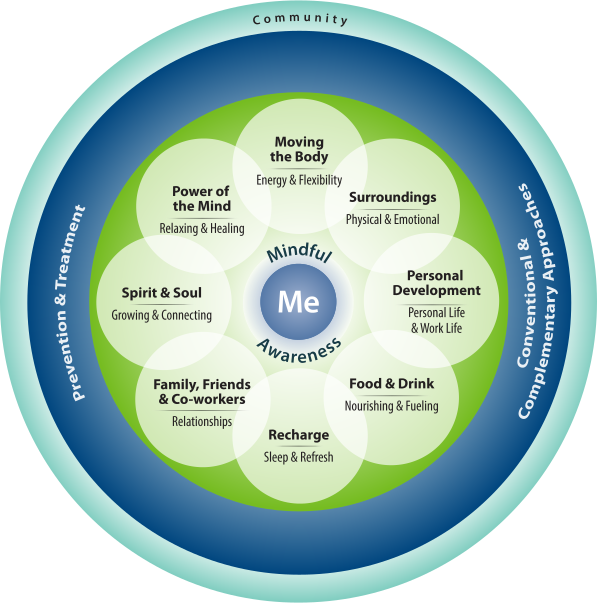
Although the MOVE! program is only available for veterans receiving care at the VA, their website has an abundance of resources freely available to all. Resources include episodes of the Fresh Focus Podcast, which discusses nutrition for veterans; the MOVE!11 Getting Started Questionnaire, which helps summarize one’s current health status; guided recipe videos and cookbooks approved by the VA Nutrition team, and much more. There are also educational resources to learn more about Whole Health’s “Circle of Health” model and testimonies from veterans describing how the MOVE! Program helped guide their weight loss journeys.

Circle of Health

Veteran Testimonials

On the MOVE! program website, people are greeted with hundreds of success stories and testimonials from Veterans that have chosen to share how the program impacted their lives. Dennis Pecorella shared that after years of trying different diet methods, he was matched with a MOVE! program dietician who made nutrition information easier to understand and incorporate into his life. With her help, he was able to create his own sustainable diet plan.

“MOVE! has not only led me to weight loss, but better health overall,” says Pecorella. “I take less medication, try to walk two miles every day, and always eat my vegetables!” 

Peter Johnke’s primary goal in the MOVE! program was to make eating and dieting a more mindful activity. With the help of the MOVE! team, Peter learned to consistently track his food and beverage intake for an entire year and continues to do so. This helped him gain more control over his diet and learn when to best incorporate healthier options. 

“If you are in a place that you need to change…the MOVE! program will help you to help yourself!” says Johnke. “Do your due diligence! Take care of yourself!” 


By Carly Smith, BS, MPH(c) 

This blog is part of our Nutrition newsletter. If you like this content, sign up to receive our monthly newsletter!

So, you want to start meal prepping in 2024? Perhaps this is related to a larger goal to lose weight, eat cleaner, or meet your nutritional goals. To set yourself up for success, you have bought a container for each day of the week and started to plan your week-by-week meals. Maybe you’re planning to make the Sunday morning farmers market and subsequent wash, chop, and prep of your vegetables part of this new-you routine?

Once we begin to break down this resolution, we can see that it is composed of many smaller action steps, which many people may not have the time to do. Busy schedules often do not mix well with New Year’s resolutions that require a lot of time and effort.

Stanford Lifestyle Medicine’s head of the Healthful Nutrition pillar, Marily Oppezzo, PhD, MS shares that you only need to make a few adjustments to your meal prep plans to set you up for success!

“For the New Years’ resolutions, you can have your aspirational goal, but start with the side quests that lead up to that lofty goal in the end,” says Dr. Oppezzo. “Even if your first goal is to eat just one vegetable today, you are learning consistency and making progress. Incorporating one healthy habit a day based on your situation helps you feel successful and see that little accomplishments build up with time.”

3 Meal Prep Tips

“Realistically, not everyone has three hours every Sunday to dedicate to meal prep,” says Dr. Oppezzo, Registered Dietitian with 20+ years of experience in nutritional coaching. “If you have the time, that is great, but I encourage people to always have a back-up plan for when they don’t. Instead of ditching your resolution, rely on pre-cut vegetables, frozen vegetables, and bagged salads and add them wherever you can during the week.”

1. Frozen IS Fresh

Many of us succumb to the belief that frozen fruit and vegetables are not fresh, but oftentimes they are just as fresh, if not more, than those bought in the produce aisle or at the farmer’s market. You may prefer to buy fresh produce, but frozen produce is a great option when trying to make healthy meals in a pinch. Since these fruits and vegetables are frozen and preserved upon harvest, they will still maintain their day-one freshness once cooked.

2. Drawers of Doom

Dr. Oppezzo recommends avoiding the “drawer of doom”, or the drawer in the refrigerator that you toss all your veggies in. It is common to forget about these items once they are discarded into a drawer, especially during a busy morning or when you’re tired after a long day at the office. Instead, Dr. Oppezzo recommends keeping your healthy options on display so that they can help remind you of your nutrition goals. Throw your fruits and veggies into transparent containers and keep them within view on the shelf, rather than the drawer of doom. You can put all your less-than-healthy options in this drawer since you’ll grab for these items anyways.

3. You Know You

Perhaps the most important part of your meal-prep regimen is to be realistic with yourself. You know your schedule, abilities, and preferences the best. Your meal prep practices can adjust to match the time that you have available each week. If you have a free Sunday, you can spend more time preparing your meals for the busy week ahead. If you’re catching up on life on Sunday, perhaps you could opt for making a larger batch of quinoa or brown rice between activities to have on hand throughout the next few days. If you only have time for a quick trip to the grocery store on Sunday, shopping for convenient but still healthy options is just as good of an option if it helps you stick to your nutrition goals.

Dr. Oppezzo recommends grabbing a few microwavable grains and your preferred pre-cut, frozen produce to greatly cut down on cook time. Having these convenient staples can help keep healthy meals a viable option when spending an hour to cook a healthy meal is not realistic. The goal is to make meal prep easy, convenient, and consistent, rather than being overly repetitive or overly strict and giving up by the end of February.

“It is not so much about how psychologically committed you are, but more about what your life is like right now,” says Dr. Oppezzo. “Once you have mapped out your availability, you know how to best adjust your behaviors to keep with your resolutions using the time that you actually have.”


By Carly Smith, BS, MPH(c) 

One of the hardest parts about exercising is finding the motivation to do it. Especially if you’re new to working out, motivation can be fleeting and dependent upon your daily mood or energy level. Even though we know that exercise greatly benefits our health, it may require weeks of effort and dedication before seeing significant results. 

So how do we stay motivated? Stanford Lifestyle Medicine Assistant Director and Exercise Physiology expert, Anne Friedlander, PhD, recommends three ways to incorporate exercise into our daily routine and establish a habit of exercise that remains consistent in the long run. 

Bundle Your Activities

Bundling your activities is a version of multitasking where you combine a pleasurable activity that provides instant gratification with an activity that involves delayed benefits, such as watching your favorite television show or listening to an audiobook on the treadmill. This type of multitasking, also known as “temptation bundling,” is a promising method to create and maintain an exercise habit. When your exercise is combined with a specific tv show, audiobook, or playlist each time, there is the incentive to exercise especially if you only allow yourself to partake in the engaging media while exercising. It creates an association between entertainment and physical activity, which allows you to benefit from exercise in the moment, rather than weeks or months later. 

While this approach may bypass the mind-body connections that exercise can offer, temptation bundling is a great way to create a new exercise habit or get back into a routine. After you’re confident in your ability to maintain your exercise routine, you can let go of the television show and focus on optimizing your mind-body connection while exercising which can enhance the cognitive and mood benefits of exercise. 

Research has been conducted on whether temptation bundling can improve motivation to exercise. In this study, researchers provided free audiobooks during workouts and measured the frequency in which people exercised. The results showed that not only were participants more likely to exercise compared to those not offered the audiobooks, they were more likely to keep up the habit after the study was over. The study also showed that the media needed to be enjoyable to the participants to increase incentive to exercise, meaning when the audiobook covered a topic that was particularly engaging for the participant, their motivation increased. 

So, if you’re having trouble starting or maintaining an exercise program, listen to an interesting audiobook while out on a jog or watch your favorite television show while cycling indoors to get you moving towards your health goals.  

“It is amazing how powerful temptation bundling can be if you find a good story or podcast and you only let yourself listen while doing your physical activity.  You may actually look forward to your next workout!” says Dr. Friedlander. “Eventually physical activity may become its own reward, but in the meantime, lace up your shoes and queue up that mystery thriller.”

Find a Workout Buddy

Working out with a partner, friend, or family member creates a two-way street of accountability and makes you more likely to show up for your goals. While the presence of your workout partner nudges you to stay on your goal, your presence also motivates them to do the same. Skipping a solo workout may require very little thought or work, but skipping a partner workout requires more work and requires you to explain to the other person your reason for skipping. This process helps avoid the fleeting temptations that would deter you from exercising based on mood or energy levels. 

Having someone to match your level of commitment also introduces a link between social connections and physical activity in the creation of a more healthy lifestyle. The pillars of our lives are interconnected, and strong habits often involve behaviors that embrace multiple aspects of our health. 

A workout buddy can be more than someone that helps you stick to your program. They can also be someone to offer and receive encouragement and support, talk about goals,discuss overcoming obstacles, and form memories and relationships. By making the habit a more involved aspect of your social life, you open yourself to broader potential benefits. 

“I am not a morning person, but I have a puppy who loves his playdates,” says Dr. Friedlander. “Every morning at 7 am I meet friends for a walk and puppy playtime. The group definitely helps me get out the door because I don’t want to disappoint either my human or puppy companions”.  

Choose an Exercise You Enjoy Doing

Just because exercise is something that you should do, doesn’t mean that you cannot enjoy it. There is a certain level of discipline that is required to maintain an exercise routine over time, but you will be more motivated to stick to your routine if you like the type of exercise you are doing. If you enjoy team sports, you may enjoy achieving your exercise goals by joining a pickleball league, swim club, or soccer team. Alternatively, you may enjoy attending dance or yoga classes with friends or carving out a specific time in your schedule to lift weights at the gym. Even moderate-to-low intensity exercises, like going out for a walk every night after dinner, is beneficial for your health. 

The best exercise for you is one that you know you will actually show up for time and time again. An added bonus is that you do not have to spend hours exercising to impact your health. The United States Department of Health and Human Services says that no matter the amount of exercise you are able to achieve, most efforts to overcome sedentary lifestyles have a positive impact on all-cause mortality. This means that even incorporating small bouts of moderate-to-vigorous exercises can increase your relative life expectancy. Thus, shifting your focus to do activities that you enjoy and will do daily or weekly may give yourself the best odds for success in the long-run. 

“If you’re having trouble finding motivation, start small,” says Dr. Friedlander. “Following exercise guidelines is optimal, but doing any level of physical activity is better than nothing and can improve your health and mood, especially if kept consistent.”