By Matthew Kaufman, MD

This blog is part of our Supplements newsletter. If you like this content, sign up to receive our monthly newsletter!


Key Takeaways:

Here are a few supplements that our health professionals recommend for healthy aging for individuals in midlife and beyond:

  • Creatine – To maintain and build muscle mass and potentially improve cognitive performance.
  • Vitamin D – To promote muscle and bone strength. 
  • Magnesium – To promote restful sleep and brain health.
  • B12 and B9 (folate) – To promote brain health. (B12 is particularly recommended for vegans since it is primarily found in animal products).
  • Multivitamin that is FDA-regulated or third-party tested. Unregulated supplements may not contain the active ingredients to live up to their advertised claims and may contain harmful ingredients.

As we age, taking too many supplements may be taxing to our liver and kidneys, so it’s best to screen to assess where we are deficient and supplement as needed.

Lifestyle choices are most important for maintaining good health as we age, and supplements do not replace a healthy diet and daily exercise.


As a Physical Medicine and Rehabilitation resident, my patients often ask me, “What supplements should I take as I get older?” While it is a complicated question without a clear answer, it’s important to consider. 

Rather than investigating how a supplement affects the entire body as we age, researchers study how supplements impact specific aspects of health, such as sleep, muscle mass, and brain health. However, we all know that we don’t age in only one domain–the aging process affects many parts of the body. Therefore, there are multiple supplements to consider, and which supplement you take depends on your individual goals.

So, whenever I am posed with this question, I always respond with these two questions: 

1) What are your goals regarding aging? Is it just a longer lifespan, or do you also want to feel good in your 70s and 80s and maintain high-quality interactions with people and places? 

2) What aging concerns do you want to address or avoid? Some examples include optimizing your bones and muscles for sustained athletic ability, brain health and cognition performance, and your ability to have restful sleep on a consistent basis.

Which Supplements Should I Take for Healthy Aging?

Supplements to Maintain Muscle Mass and Bone Strength

As we age, the most important things we can do to maintain muscle and bone strength are resistance training at least twice weekly and consume adequate protein, especially from food (both plant and animal sources). Without these two things in place, supplements alone have not been shown to be helpful. 

Regarding protein, I recommend consuming 1.2 – 1.6 grams per kg of body weight per day. This translates to approximately 0.65 grams of protein multiplied by your body weight in pounds, to be consumed evenly over three to four meals per day. 

To maintain and build muscle mass as we age, I also recommend creatine. Consuming between 5 – 25 grams of creatine per day (either as a supplement or in food) has been shown to increase strength and muscle protein synthesis, and maintain lean body mass.

Vitamin D supplementation also has substantial evidence showing improvements in muscle and bone strength in older adults.

Supplements for Brain Health and Cognitive Performance

Some studies show that vitamin D may improve brain health and cognitive performance. Also, magnesium and higher doses of creatine have emerging evidence suggesting they could also be helpful. B vitamins like B6, B12, and B9 (folate) have also been shown to help with cognition prior to diagnosis of mild cognitive impairment and Alzheimer’s Disease.

Many people take omega-3 supplements intending to improve cognition; however, the data is not as strong as many people suspect. Some studies suggest that these supplements are effective, and some don’t. Most experts believe that getting omega-3s from food (such as fatty fish, walnuts, and chia seeds) is preferable to getting them from a supplement in that they are better absorbed in the body. For my patients, I recommend consuming omega-3s by eating more salmon and enjoying a low-inflammatory diet, such as the Mediterranean diet.

Supplements for Sleep

There is not currently a supplement that the American Academy of Sleep would recommend, however, melatonin is the most popular sleep supplement. If you find melatonin helpful, it’s important to use it at the minimum effective dose to prevent circadian rhythm shifts. There is also recent evidence that magnesium is helpful for sleep.

Lifespan vs. Healthspan

 Lifespan is the number of years we are alive, whereas healthspan is how many of those years we feel good (physically and mentally) and are healthy enough to live independently and free from debilitating diseases. 

Although there is no magic pill for a longer life, these supplements may improve your healthspan by increasing your levels of functioning and slowing the progression of chronic conditions. Healthy aging is not only about preventing illness or falls; it also encompasses the ability to engage in activities we enjoy, spend quality time with people we love, and maintain a sense of purpose and excitement as an older adult. 

When choosing a supplement, it is crucial to remember that the FDA does not regulate most supplements. Therefore, there is minimal oversight regarding the ingredients in these supplements and whether they live up to their advertised claims. Without regulation, some supplements don’t contain the active ingredient, and they may even contain ingredients that are harmful, such as heavy metals, not listed on the bottle. Therefore, it is essential to go with supplements that are third-party tested or recommended by health professionals you trust and not just rely on advertising.  

Lastly, it is most important to recognize that supplements cannot replace a poor diet or lack of exercise. We must take supplements in the context of other healthy lifestyle choices, such as adequate nutrition, sleep, exercise, and working with a medical professional to treat any medical conditions. 

By Caitlin Aguirre, Adrian Vallejo, Matthew Kaufman, MD

This blog is part of our Supplements newsletter. If you like this content, sign up to receive our monthly newsletter!


Key Takeaways:

  • It is recommended to consult with a medical professional before taking the supplements listed in this blog.
  • Branched Chain Amino Acids stand out as a well-supported supplement for athletic recovery, aiding in faster physical recovery, decreased fatigue perception, and maintenance of lean mass. Recommended dosages range from 10 – 30 grams per day.
  • L-theanine shows promise in mental recovery post-exercise, with suggested doses ranging from 50 – 200 mg per day. 
  • N-acetylcysteine’s role in reducing perceived muscle soreness remains uncertain, with doses of 1200 – 1800 mg per day utilized for supplementation within existing studies.
  • Turmeric shows promise in alleviating muscle soreness at doses ranging from 1.5 – 5 grams of turmeric extract daily, although research is conflicting. Supplementing with piperine (black pepper) may enhance its effectiveness.
  • Ashwagandha holds the potential to reduce muscle soreness and improve athletic and mental recovery at a dose of 600 mg daily. While research on its effects is limited, current evidence suggests it’s generally safe for supplementation.

For high-performance athletes, achieving peak performance is not solely a result of pushing one’s physical limits. Even the best competitors experience fatigue, musculoskeletal pains, exercise-induced muscle dysfunction (EIMD), and delayed-onset muscle soreness (DOMS) that may impact their ability to sustain maximal training efforts and combat injury. In response to these physical ailments, often a sign of our bodies adapting to higher training loads, high-performance athletes have mastered the practice of athletic recovery.

The principles of athletic recovery can be thought of as a pyramid having a base of quality sleep, balanced nutrition, and hydration. These elements are the foundation upon which adapting to the demands of intense training is built. However, as committed athletes refine their sleep hygiene, prepare macro-friendly meals, and hydrate appropriately, they often look to ascend this metaphorical “athletic recovery pyramid” by utilizing nutritional supplements to gain an edge over their competitors. Previous literature has estimated that 40 – 100 percent of trained athletes have employed nutrient supplementation, depending on the definitions of trained athletes and supplementation.

In this blog post, we’ll explore the role of popular anti-inflammatory and antioxidant nutritional supplements, including BCAA’s, L-theanine (LTE), N-acetylcysteine (NAC), Turmeric, and Ashwagandha, and what role they may play in athletic recovery.

What are Branched Chain Amino Acids (BCAAs)?

BCAAs are a specific class of amino acids that have branched side chains. These include amino acids like leucine, isoleucine, and valine. Studies suggest that BCAAs are among the most commonly used supplements in trained athletes. These essential amino acids are broken down for fuel during exercise, and supplementation has been thought to provide substrate for anabolic (muscle-building) processes to prolong energy sources and protect against muscle damage and fatigue. Rather than a supplement, you may also consume BCAAs by eating foods high in leucine, such as salmon, chicken, cottage cheese, eggs, nuts, lentils, and beans.

Potential Benefits of BCAAs for Athletic Recovery

Our Recommendations

BCAAs are a supplement well supported by scientific literature that can shorten recovery time and decrease perceptions of fatigue. As an athlete, this may maximize athletic results by supporting the ability to continue long training sessions and return to sport quicker!

Dosing

Studies have shown positive outcomes with BCAA supplementation ranging from 0.087 – 0.22 grams per kg of body weight per day for at least eight days. Positive effects were also shown when the athlete took 20 grams one hour prior to exercise. While there’s no apparent consensus on the optimal dosing strategy, studies show that taking between 10 – 30 grams per day had no noted ill effects.

What is L-theanine (LTE)?

LTE is a non-proteinogenic amino acid that is structurally similar to glutamate. It is a primary component of the Camellia Sinensis plant, which is used to make green tea, and can also be found in smaller quantities in other foods, such as mushrooms, apples, and red wine.

Potential Benefits of LTE for Athletic Recovery

Our Recommendations

Since mental restoration following strenuous training or competition is vital for preventing burnout and enabling athletes to maintain a consistent level of high-intensity training, we recommend a supplement that provides mental recovery. Current evidence shows that LTE has the potential to aid mental recovery, however, further studies on larger sample sizes of athletes may be necessary for a comprehensive recommendation. 

Dosing

Although there is no clear agreement regarding the best dosing strategy for LTE, the studies examined in this review have demonstrated physiologic benefits with doses ranging from 50 – 200 mg per day. Within this range, LTE is considered safe for consumption and has demonstrated no toxic effects in both human and rodent studies.

What is N-acetylcysteine (NAC)?

NAC is a synthetic derivative of the naturally occurring amino acid L-cysteine. In the body, L-cysteine and NAC have direct antioxidative properties and serve as precursors to glutathione (GSH), another powerful antioxidant that prevents excessive molecular damage.

Potential Benefits of NAC for Athletic Recovery

  • May reduce perceived muscle soreness – Numerous studies evaluating the effects of NAC supplementation have shown mixed outcomes regarding the benefits of its antioxidative properties and ability to reduce muscle soreness.

Our Recommendations

Further investigations are necessary before clear conclusions can be drawn about whether NAC supplementation improves athletic recovery by decreasing perceived muscle soreness. 

Dosing

While there is no standardized dosing strategy for NAC supplementation, existing studies evaluated doses between 12001800 mg per day, with a loading period of at least three days. It’s important to note that exceeding 70 mg per kg of body weight may lead to negative side effects, including gastrointestinal upset, so it’s essential to monitor dosage and potential reactions carefully.

What is Turmeric?

Turmeric, Curcuma longa, is a commonly used medicinal herb that contains curcuminoids, including curcumin. Curcumin has been shown to have antioxidant effects and is associated with pain reduction, anti-inflammation, and chronic disease prevention and treatment.

Potential Benefits of Turmeric for  Athletic Recovery

  • May reduce perception of muscle soreness – Despite conflicting literature, numerous studies evaluating the effect of turmeric on whole and lower-body soreness and single-leg squat pain scores have found that its supplementation significantly reduced measures of muscle soreness. However, one recent meta-analysis found no significant effects on exercise-induced muscle damage or delayed onset muscle soreness. 
  • Taking piperine (black pepper) along with turmeric has been shown to potentially increase its bioavailability and may increase the efficacy of this supplement.

Our Recommendations

According to the literature, turmeric, or curcumin, seems to be a safe supplement for potentially reducing perceived muscle soreness following exercise. However, further study is needed to confirm the extent of turmeric’s efficacy due to the presence of conflicting research. It’s worth noting that simultaneously supplementing with piperine (black pepper) may positively influence its effectiveness.

Dosing

There is no standardized dosing strategy, however, doses ranging from 1.5 – 5 grams of turmeric extract daily, perhaps with piperine (black pepper), may be helpful in exercise recovery. Higher doses of 10 mg and above have been shown to produce mild negative side effects, including headache, diarrhea, yellow stool, and rash. Take caution when consuming higher doses is warranted as the literature on safety and side effects is limited. 

What is Ashwagandha?

Ashwagandha, or Withania somnifera, is an adaptogenic herb commonly used in Ayurvedic medicine. It has gained traction within the fitness community due to some preliminary studies showing an association between the supplement and enhancing muscle strength, muscle endurance, and cardiorespiratory fitness while counteracting chronic fatigue, weakness, nervous exhaustion, and premature aging. The mechanisms by which ashwagandha may improve physical recovery in humans are not well understood but are hypothesized to be at least partially due to antioxidant properties and endocrine effects.

Potential Benefits of Ashwagandha for Athletic Recovery

  • May reduce perception of muscle soreness – Supplementation has been found to decrease one’s perception of muscle soreness after exercise. This effect on muscle soreness is attributed to its antioxidant properties and its hypothesized ability to be converted into testosterone and DHEA, however, further study is needed to elucidate the exact mechanism.
  • May reduce recovery time – While evidence for this effect is minimal, two studies found significant improvement in participants’ perceived athletic recovery experiences. 
  • May promote mental recovery – One study found that supplementation lowered participants’ perception of general stress, fatigue, and lack of energy and improved general well-being scores compared to placebo.

Our Recommendations

The literature on the effects of ashwagandha on athletic recovery is minimal, however, current studies suggest that it is a safe supplement that may reduce one’s perception of muscle soreness and improve athletic and mental recovery following exercise. 

Dosing

There is no standardized dosing strategy, however, studies show that 600 mg of ashwagandha daily may be helpful in exercise recovery. Common side effects may include drowsiness, epigastric discomfort, and loose stools. Less common effects include mild CNS depression, increased thyroxine levels, hallucinations, blurred vision, vertigo, nausea, decreased appetite, constipation, hyperacidity, nasal congestion, dry mouth, hyperactivity, nocturnal cramping, skin rash, and weight gain.

By Sharon Brock, MEd, MS

This blog is part of our Supplements newsletter. If you like this content, sign up to receive our monthly newsletter!

Stanford Lifestyle Medicine’s nutrition experts, dietitians, and supplement researchers recommend getting nutrition from your food rather than a supplement as much as possible. For example, rather than drinking water with greens powder for lunch, eating a salad with a variety of vegetables is recommended to ensure that you’re getting the nutrition you need in a form that’s bioavailable (still useful) in the body.

“You can’t supplement your way out of a poor diet,” says Rachele Podjenic, PhD, Stanford nutrition and supplement researcher. “Even though fruits and vegetables are technically in many greens powders, since these whole foods are no longer in their original structure, we don’t really know if the nutrients are bioavailable once they are absorbed. There are a lot of claims being made, but almost no data to support them. In my opinion, greens powders are just a waste of money.”

If you’re eating healthy but want to be sure you’re covering all your nutritional bases, our experts recommend taking a multivitamin, and perhaps a couple other supplements (like vitamin D and B12) for healthy aging.  Dr. Podjenic says that it’s important that every supplement you take be third-party tested by organizations such as ConsumerLab, US Pharmacopeia, and NSF International. 

“We need to see supplements as a supplement in our already healthy diet, not as a substitute for eating well,” says Dr. Podjenic. “If you’re already eating healthy and a blood test shows you’re still deficient in a particular nutrient, that is where supplements come in.”

How do we get nutrition from our food?

Below is a graphic listing common supplements with their food equivalents. We aren’t suggesting you stop your supplements altogether (especially if your doctor or dietician recommends them), but to recognize that when we eat whole foods, we consume these nutrients in a more bioavailable form.


By Carly Smith, BS, MPH(c)

This blog is part of our Supplements newsletter. If you like this content, sign up to receive our monthly newsletter!

A recent analysis done by members of the Stanford Lifestyle Medicine team on how different supplements impact sports performance, highlighted creatine since it has been vastly researched and shown to improve muscle strength.

“What many do not realize is that supplements, like creatine, can be beneficial for more than just professional athletes and bodybuilders,” says Matthew Kaufman, MD, member of the Stanford Lifestyle Medicine Exercise and Movement research team and lead author of “The Impact of Supplements on Sports Performance for the Trained Athlete: A Critical Analysis.”

What is Creatine?

So, what is creatine? Creatine is a natural amino acid that people can gain in their diet with foods high in protein or through supplementation. Mechanistically, creatine supports powerful muscle contractions, which is why it is popular among bodybuilders. After digestion, creatine-phosphate is stored in skeletal muscle until the onset of quick, intense physical activity. Once activity is initiated, it is used to rapidly phosphorylate ADP into ATP, which drives fast-twitch muscle contractions, the primary drivers of quick, forceful exercise movements like weight lifting and sprinting.

According to the analysis, athletes that also depend on fast, powerful movements and mobility, like soccer and basketball players, may also benefit from increasing their creatine intake. Its ability to heighten muscle performance is continuing to be tested and is being used by many to increase the size and strength of their muscles.

“What’s nice about creatine, especially compared to other supplements, is how much it has been studied. It has robust, promising data that shows it can really improve athletic performance and muscle composition,” says Dr. Kaufman. “Plus, it can help muscle growth and performance for all different types of people.”

Creatine Is Not Just for Bodybuilders!

Creatine may also be a good supplement for plant-based athletes. The analysis found evidence that vegetarian athletes improved more than omnivorous athletes with creatine supplementation in terms of muscle power output and lean muscle mass, therefore plant-based athletes could consider supplementation to support their athletic performance.

Creatine is also recommended for older individuals to support muscle sarcopenia. With age, many people experience a loss of muscle vitality, which heightens risk of falling and injury. Research published in the Journal of Clinical Medicine indicates that creatine supplementation may help older adults maintain muscle vitality. It suggests that there could be significant benefits from supplementing their diets with creatine for an “anti-aging” effect for the body.

How Much Creatine Do I Need?

Whether taking creatine supplements for athletic performance or daily functioning, it is important to know what the International Society of Sports Nutrition’s (ISSN) recommended dosing strategy is. Their recommendation begins with all individuals taking 5 grams of creatine, four times per day (20 g total per day) for about a week. This first week is called the loading stage, which helps many people adjust to the supplement before experiencing any physical changes. Next, ISSN recommends maintaining a dose between 3-5 grams daily. Males and larger athletes may need 5-10 grams daily to maintain their body’s creatine stores.

People considering taking creatine should be aware of some potential side effects. Studies report the possible side effects of increased water retention and airway sensitivity in elite athletes, the latter suggesting the need for further research on how creatine affects those with asthma. We recommend consulting with your physician ahead of time so they can tailor the ISSN’s dosing recommendations for your specific needs.

Overall, creatine supplementation may be promising for many individuals, bodybuilders or not, looking to improve the power of their muscles.

By Maya Shetty, BS and Sharon Brock, MEd, MS

“Salud!” If you’ve ever raised a glass to your health, you’re not alone. For decades, many have believed that minimal alcohol consumption is potentially beneficial for your health. However, not every researcher would agree. A growing body of evidence reveals health concerns about alcohol use, making it crucial to understand the spectrum from harmless to harmful levels of consumption to keep your body healthy. 

“Alcohol will impact everyone’s health differently,” says Douglas Noordsy, MD, Clinical Professor of Psychiatry at Stanford University School of Medicine and Assistant Director of Stanford Lifestyle Medicine. “Rather than a daily habit, drinking alcohol should be seen as an indulgence, something you have once in a while to celebrate.”

Experts have conflicting views regarding how much alcohol carries risks. Some believe that drinking in moderation is safe, while others believe that even light drinking can cause harm.

“While many believe light to moderate alcohol intake is safe and even healthy, this reality is far from true,” states Cindy Kin, MD, a colorectal surgeon and Associate Professor of Surgery at Stanford University. “In fact, no level of alcohol can be considered beneficial for our health.”

Isn’t One Glass of Red Wine Good for the Heart?

“Studies have gone back and forth, with some suggesting potential cardiovascular benefits of light drinking, while others point to increased risk of cancer and liver disease even when consumed at low intake levels. As a result, many are confused about headlines proclaiming alcohol as either good or bad for health,” says Dr. Noordsy.

The origin of this belief traces back to the 1980s, rooted in a concept known as The French Paradox–the observation that despite consuming a diet high in saturated fat, France had a low incidence of heart disease. Researchers of the era decided that this unexpected trend was attributed to the widespread consumption of wine in the region. This correlation led to extensive research into wine and the identification of polyphenols, thought to be responsible for wine’s apparent cardioprotective potential. 

Since then, numerous observational studies have claimed that light to moderate wine intake has beneficial effects. “However, these studies overlooked some crucial factors,” says Dr. Kin. While early observations indicated poorer cardiovascular outcomes for non-drinkers than for moderate drinkers, researchers overlooked that many non-drinkers abstained due to existing health conditions that led to overall poorer health outcomes. Additionally, those self-identified as light drinkers were more likely to lead healthier lifestyles overall. This oversight has fostered a misleading impression that associates better cardiovascular outcomes with light drinking, falsely implicating alcohol as the causal factor. As a result, enjoying a glass or two of wine a day has become widely accepted as a  healthy habit. 

While red wine contains antioxidants like resveratrol, found in grape skins as well as in peanuts, dark chocolate, and blueberries, which might have heart-healthy benefits like reducing cholesterol and lowering blood pressure, the quantities are often misunderstood. To achieve the levels of resveratrol observed beneficial in mice studies, one would need to consume an impractical amount of red wine—somewhere between a hundred to a thousand glasses daily. Thus, while the idea of resveratrol’s benefits is enticing, the practical reality makes it an unrealistic source for therapeutic effects.

How Much Alcohol is Too Much?

Many people believe alcohol becomes a concern only when consumed excessively. “Excessive alcohol use” is defined as exceeding the US Dietary Guidelines’ recommendations, which advise males to limit themselves to two drinks per day and females to one drink per day, on average. Two-thirds of adult drinkers report drinking above this level at least once a month.

However, a growing body of recent research shows that even modest quantities of alcohol can be harmful to our health. Such consistent findings have prompted the World Health Organization to assert that “when it comes to alcohol consumption, there is no safe amount that does not affect health.”

The main issue with alcohol is that it enters the bloodstream and quickly spreads throughout the entire body (especially when consumed without food). Unlike most substances, alcohol is both water- and fat-soluble, allowing it to permeate nearly every cell and tissue, including the highly secure blood-brain barrier that protects our central nervous system. 

While the liver does most of the alcohol metabolism, other organs also process alcohol, such as the kidneys and lungs. As our organs work to break it down into a usable fuel source, acetaldehyde is produced, which is toxic due to its ability to damage and kill cells indiscriminately. As acetaldehyde enters the brain, it causes a disruption in our neural circuitry that creates the sensation of “tipsiness” associated with alcohol. And, the more “tipsy” one feels, the greater the amount of toxic acetaldehyde in the blood.

Rather than following strict guidelines about how much to drink, Dr. Noordsy recommends that individuals take note of their personal perceptions of intoxication and pace themselves accordingly. He recommends using the feeling of being “tipsy” as the signal to slow down or stop drinking. “The ‘tipsy’ feeling is the indicator that blood alcohol levels have risen to the point that you’re starting to put your health at risk. And the more ‘tipsy’ you become, the higher the risk,” states Dr. Noordsy. “If you’re having alcohol with food, your blood alcohol level won’t be as high as compared to having drinks by themselves. So, if you’re enjoying a glass of wine as part of your meal, that’s a very different thing than drinking in a way that’s leading to the feeling of intoxication.”

Health Concerns Linked to Alcohol Use

Recent data from the World Health Organization reveals that each year, alcohol contributes to three million deaths globally and accounts for 5.1 percent of the worldwide burden of disease and injury. Alcohol’s detrimental effects span more than 200 disease and injury conditions, encompassing everything from alcohol dependence and liver cirrhosis to a range of non-communicable diseases (such as heart disease, cancer, chronic respiratory disease, and diabetes) and mental health disorders.

Liver Disease

Acetaldehyde, a derivative of alcohol metabolism, inflicts significant harm on the body’s cells, especially within the liver. Given the liver’s primary role in detoxifying our bloodstream, it bears the brunt of the detrimental effects of alcohol metabolism. This continual strain can result in the buildup of fat, chronic inflammation, and potentially irreversible damage to the liver. 

A study analyzing the livers of 3,649 participants discovered a concerning correlation: as daily alcohol intake increased, so did the accumulation of fat in the liver. Alarmingly, no identifiable threshold existed below which these harmful effects were absent, suggesting that even individuals who consume alcohol in minimal amounts are not immune to the accumulation of liver fat.

Fat accumulation hinders the liver’s vital metabolic functions, including blood sugar regulation, cholesterol processing, and nutrient absorption. It also increases the risk of inflammation around the liver, known as alcoholic hepatitis. 

“The good news is that abstaining entirely from alcohol can reverse these changes, however, continuing to drink alcohol can lead to irreversible damage, scarring, liver dysfunction, and in advanced cases, liver failure,” states Dr. Kin. “This is especially concerning because fatty liver often presents no early symptoms, with individuals potentially unaware until it advances or results in serious complications.”

Another important consideration is that people who have non-alcoholic fatty liver disease, caused by obesity and other metabolic syndromes, have a much higher risk of developing alcoholic liver disease. 

“This means that even small amounts of alcohol will cause the same level of alcohol-related liver disease (fibrosis, cirrhosis, etc.) as would larger amounts of alcohol consumed by someone without underlying fatty liver,” explains Dr. Kin. “Therefore, people who are already dealing with metabolic diseases should be extra cautious around alcohol because their livers are working extra hard already.”

Cancer

Alcohol is designated as a carcinogen by the International Agency for Research on Cancer due to its association with higher risk for many common cancers.

Alcohol increases cancer risk specifically in areas it is in close contact with, such as the mouth, pharynx, and digestive tract. It also has carcinogenic effects throughout other parts of the body,” states Dr. Kin.

Underlying its harmful effects, chronic inflammation from alcohol consumption elevates cell turnover, heightening DNA mutation risks. Additionally, alcohol is believed to promote tumor growth while inhibiting tumor-suppressive molecules.

In 2017, the European Union reported nearly 23,000 cancer cases tied to light to moderate alcohol use, with half attributed to female breast cancers. Even at levels as low as three drinks per week on average, there is a slight but measurable increase in breast cancer risk. Notably, raising daily alcohol intake by just 10 grams—equivalent to what’s in a standard beer or wine—escalates the risk of breast cancer by 10 percent.

Cardiovascular Health

Despite popular belief, alcohol consumption, regardless of the amount, is linked to an increased risk of cardiovascular disease. A comprehensive study of 371,463 individuals found that as alcohol consumption increased, so did the risks of conditions like hypertension and coronary artery disease. Light alcohol intake (less than 8.4 drinks per week) led to a minimal but noticeable increase in cardiovascular risk. Researchers also found that when accounting for various lifestyle factors, the perceived protective benefits of modest alcohol intake against cardiovascular risks diminished significantly.

There are numerous reasons hypothesized for these detrimental effects, especially surrounding the metabolic effects of alcohol. “Alcohol offers no nutritional benefits; it’s essentially empty calories that are consumed on top of the calories required by your body. On top of this, alcohol interrupts the body’s regular metabolic functions. As the body prioritizes removing this toxic substance, it compromises processes like nutrient absorption and fat metabolism. This disruption promotes the storage of visceral fat, the harmful fat surrounding organs,” explains Dr. Kin. “This fat increases inflammation and poses significant risks, especially around the heart.”

Hormone Imbalance

Alcohol consumption raises estrogen levels in both males and females by increasing the activity of the enzyme responsible for converting androgens to estrogen. This accelerated conversion can lead to issues like gynecomastia (enlarged breasts in males), decreased libido, and increased fat accumulation. Additionally, consistent alcohol exposure can reduce testosterone levels over time, which is associated with reduced libido, fatigue, decreased bone density and muscle mass, and potential fertility issues in both males and females.

Additionally, regular alcohol consumption of more than 3.5 drinks per week for males and 2.6 drinks per week for females can cause chronic changes and reduced control of the hypothalamic-pituitary-adrenal axis. This disturbance may lead to an increase of the stress hormone cortisol released throughout the day.

Microbiome Issues

Alcohol also disrupts the gut microbiome by killing beneficial bacteria and other essential microbes. Additionally, alcohol’s pro-inflammatory properties trigger the release of inflammatory cytokines, causing gut inflammation and making the intestinal lining more permeable. This increased permeability can allow undigested food particles to enter the bloodstream. Over time, chronic alcohol consumption can further imbalance the gut microbiome, promoting bacterial overgrowth and dysbiosis. These disruptions can trigger immune responses, increasing susceptibility to food intolerances.

Brain Health

When alcohol is consumed, it enters the brain and suppresses neural networks involved in memory formation and storage. Through chronic consumption, this disruption can have permanent effects. A study involving over 36,000 middle-aged adults revealed that even moderate drinkers, consuming one to two drinks per day on average, displayed thinning of the neocortex and other brain regions, indicating neuron loss. This research also found that increased alcohol consumption correlates with diminished brain volume and reduced gray matter, which are the areas of the brain highly concentrated with neurons. As alcohol intake rose, so did the severity of these detrimental effects. 

Fortunately, for most casual drinkers, abstaining from alcohol for two to six months can reverse damage to the prefrontal cortex and neural circuitry. However, chronic users may only experience partial recovery and might endure lasting effects.

“As alcohol consumption increases, so does one’s risk of cognitive decline and dementia,” states Dr. Noordsy.

Mental Health

As anxiety and depression continue to rise in the US, alcohol use also increases as individuals self-medicate to reduce stress. Also, the nightly glass of wine may cause more stress the following day since it impairs cognitive and physical performance, reducing one’s ability to cope. “During the pandemic, we observed a startling rise in cases of alcohol-induced hepatitis, indicating a growing reliance on alcohol as a coping mechanism,” says Dr. Kin. 

One study, however, showed that light to moderate alcohol consumption may be beneficial to mental health by offering short-term relief by reducing stress signals in the brain. Although Dr. Noordsy acknowledges this study, he states that “learning to manage stress through physical exercise, mind-body and mindfulness practices can lead to safer and likely more effective mediation of impacts of stress than relying on alcohol use.” 

Is There a Healthy Way to Consume Alcohol?

Given the extensive research on the detrimental health effects of alcohol, both Dr. Kin and Dr. Noordsy recommend abstaining from alcohol, or at least drinking very rarely, if one is experiencing or has a family history of liver disease, cancer, cardiovascular disease, hormone imbalances, gut microbiome issues, dementia, or mental health disorders, including addiction.

The precise amount of alcohol that is harmful is difficult for experts to confirm because it’s different for each person. Therefore, when it comes to alcohol and health, Dr. Noordsy recommends a balanced, personalized approach keeping in mind one’s individual risk factors and health goals.

“While heavy, regular consumption is linked to health problems, an occasional drink with meals may pose little risk for most adults,” says Dr. Noordsy. “However, individuals with personal or family histories of certain cancers or other conditions may need to be more careful with alcohol intake. We put thought into our nutrition and exercise habits, and we need to be just as thoughtful about the role that alcohol plays in our lives and make informed decisions regarding how much is the right amount for ourselves.”

Although less inclined to recommend light alcohol consumption, Dr. Kin acknowledges that it is an ingrained part of people’s social and cultural lives, similar to many other things that individuals consume that do not contribute to health. So, she encourages individuals to reframe their mindset around alcohol. 

“Rather than viewing alcohol as a daily routine, consider it a treat reserved for special occasions or celebrations, much like enjoying a slice of birthday cake,” she says.

By Sharon Brock, MEd, MS

This blog is part of our Nutrition newsletter. If you like this content, sign up to receive our monthly newsletter!


Key Takeaways

  • For adults aged 50+, we recommend consuming 1.2  – 1.6 grams of protein/kg of body weight per day (0.54 – 0.72 grams/pound body weight per day). For a 165-pound adult, this translates to roughly 90 – 120 grams of protein per day.
  • To build muscle past the age of 50, we need to eat enough protein AND do weight training, and consume 30 – 35 grams of protein within two hours of the workout.
  • Due to anabolic resistance, which increases as we age, it’s recommended to increase protein intake per meal to roughly 30 – 35 grams.
  • Here is a detailed list of the protein content of various foods.

While looking at the menu at your favorite café and deciding whether to add salmon to your salad, it’s important to remember that we should strive to eat protein with every meal for optimal health. Protein is found in animal products, such as meat, fish, eggs, and dairy, as well as beans, tofu, nuts, and many vegetables. In your daily life, protein is the milk in your coffee, the eggs and cheese in your omelet, the chicken and beans in your burrito, and the handful of almonds as your afternoon snack.

Protein is essential for a multitude of functions in the body. Not only does protein support the building of our muscle mass, it helps the body repair tissues and cells, makes immunoglobulins and antibodies to fight infection, and drives metabolic reactions like digestion for energy production. It also makes up hormones, like insulin, provides structure in the body, such as bone and collagen, balances fluids and pH, as well as transports nutrients throughout the body, like blood sugar and cholesterol.

“It’s important to learn about protein and make sure we are eating enough because it’s a major building block of our bodies,” said Marily Oppezzo, PhD, MS, RDN, DipACLM, Nutrition Scientist and Head of the Stanford Lifestyle Medicine Nutrition Pillar. “We need to eat enough protein every single day to get the essential nutrients necessary for optimal health and functioning.”

How Much Protein Do You Need Every Day?

The federal guideline for individuals aged 19 and older is 0.8 grams of protein per kilogram of body weight. For a 165-pound adult, this translates to roughly 60 grams of protein per day (equivalent to consuming an 8oz salmon fillet and a handful of almonds). Many nutrition experts, however, believe this amount is too low, especially for those over 50.

“There is a growing body of evidence, particularly by researcher Stuart Phillips, that shows health benefits of consuming higher amounts of protein as we age, including slowing down age-related loss of muscle mass,” says Dr. Oppezzo. “There’s a difference between just surviving and thriving. For those over 50, I’d recommend between 1.2 grams / kg of body weight to 1.6 grams / kg of body weight, which is roughly double the federal recommendation.”

A recent study recommended that adults aged 18 to 30 consume 0.8 – 0.93 grams of protein per kilogram of body weight, with an increase of 0.85 to 0.96 grams / kg after the age of 30. For those over 65, another study recommended 1.2 – 2.0 grams / kg of body weight per day.

Dr. Oppezzo says that eating protein is not sufficient for building muscle—we must also strength train as we age. Researchers from this study recommend a protein intake higher than 1.6 grams / kg of body weight per day combined with resistance training to improve muscle strength. “Protein is important, but strength training is THE most important way to prevent age-related muscle loss, and it’s important to consume around 30 grams of protein within a couple of hours after working out,” she says. “First, give your body a reason to get stronger and build muscle (lifting weights), then give it enough materials (consuming protein) to build.”

Why Do We Need More Protein as We Age?

Starting around age 30, our body goes into maintenance mode, and our muscle mass starts to decline roughly one to two percent per year. And, as we age, the rate of decline increases by three to 10 percent per decade. Once we reach our 60s and beyond, the accumulated decline of muscle mass can increase the risk of falling, bone fractures, hospitalization, and earlier death, making the topic of protein consumption relevant to longevity.

“As we get older, we move less, and we eat less, and if we are not paying attention to our activity level and protein consumption, we can become frail,” says Dr. Oppezzo. “This becomes more important as we age because we become more anabolic resistant. Anabolic resistance is basically a reduced stimulation of muscle protein synthesis to a given dose of protein—it’s like you need to speak louder (more protein) for your muscles to hear (grow).”

Over the last ten years, there have been many studies on anabolic resistance. One study measured the amount of muscle synthesis between men aged ~22 and men aged ~71. The researchers gave each group a meal containing 20 grams of protein and then tested the degree of muscle synthesis. In the same sitting, both groups ate an additional 20 grams of protein, followed by a second test of muscle synthesis.

For the ~22 aged men, there was no difference in muscle synthesis between eating 20 or 40 grams of protein in one sitting. But for the ~71 aged men, their muscles were unresponsive to 20 grams of protein; they needed 40 grams. Specifically, the ~71-year-old group needed 0.4 grams / kg of body weight per meal, whereas the ~22  year-old-group only needed 0.2 grams / kg of body weight.

“The men in their 70s needed more than 20 grams of protein at a time to get their muscles to listen,” says Dr. Oppezzo. “Though they didn’t do this same elegant study in women, I imagine it is the same.”

Since protein consumption supports just about every function in the body, the body will utilize the amino acids where they are needed, such as the functioning of the brain, liver, immune system, or gastrointestinal tract. Unfortunately, maintaining muscle strength can be last on that list. Therefore, individuals over 50 need to consume enough protein to maintain the healthy functioning of their organs and keep their muscles strong.

“Within a meal, we must eat enough protein to wake up our muscles and say, ‘you have enough protein and calories to build,’ but in older adults, maybe the body is instead going to use that protein for energy or to support another function,” says Dr. Oppezzo. “I think muscle growth is a bit like remodeling your kitchen. You don’t remodel your kitchen if you can’t afford your utility bill. And, I think—as we age—the remodelers require more up-front cash.”

How Much Protein Do We Need Per Meal?

One study shows that there is no “upper limit” to the amount of protein we should eat in terms of our muscles’ ability to utilize it. However, Dr. Oppezzo suggests that we still spread out our protein throughout three meals a day.

Eating 20 grams of protein per meal might be enough if you’re 25 years old, but for those aged 50 or above, Dr. Oppezzo recommends 0.4 grams / kg of body weight per meal (which translates to 30 grams of protein per meal for a person who is 165 pounds).

Dr. Oppezzo says there are occasions when individuals may need to eat more towards the 1.6 grams / kg of body weight end of the range, such as competitive athletes or those recovering from an infection, hospitalization, or surgery. She also urges people who are intermittent fasting or on a very low-calorie or restrictive diet to make sure they are still consuming adequate protein.

“If we don’t eat enough protein during the day, where do we get our amino acids from? From our muscles!” exclaims Dr. Oppezzo. “I wouldn’t panic about a single day, but it’s not a great long-term plan.”

What are the Best Sources of Protein?

Luckily, every food has some protein in it! And most would agree that getting protein from a whole food source is always better than getting it from a powder. Whole foods have many other nutrients that are part of the package, and since we chew, swallow, and digest whole food at a specific rate, protein-rich foods enter the body more naturally than powders.

If you need to supplement with a protein powder, Dr. Oppezzo recommends whey protein or pea protein (vegan option). The most important amino acid needed to build muscle is leucine, which is found in high quantities in whey and milk. Researchers from this study found that leucine enhanced muscle protein synthesis in women aged 65 to 75, suggesting that older women should ensure that leucine is part of their protein intake.

“Although my mom, who is in her 70s, exercises every day, I’ve tried to supplement her activity by emphasizing eating enough protein every day and lifting weights weekly to keep her strong,” says Dr. Oppezzo. “I’m passionate about getting this information out there. It can help many people in their 50s and beyond maintain optimal health and live their best lives as they age.”


By Carly Smith, BS, MPH(c) 

This blog is part of our Nutrition newsletter. If you like this content, sign up to receive our monthly newsletter!

Making a bowl that has a mix of veggies, protein, grains, and fats can ensure you’re eating a meal that has balanced nutrition. While the specific ingredients can be changed to fit your personal preferences, below is the basic structure Nutrition Scientist Marily Oppezzo, PhD uses to create her own bowls:

1. Make your bowl half vegetables:

  • Either raw or cooked, make vegetables the base of your bowl. While the exact measurement will depend on the size of your bowl, you can aim for roughly 1 – 2 cups of veggies.

2. Add your preferred protein:

  • On top of your vegetables, add about ½ cup chicken, fish, tofu, or beans of choice.

3. Throw in some salad greens:

  • In addition to your vegetables, throw in about 2 – 3 cups of your favorite leafy greens. This is a great way to increase the volume of your bowl without losing control of the total amount of calories.

4. Be wary of dressings:

  • Limit dressings and vinaigrettes to only 2 – 3 tablespoons as the primary ingredient is often sugar. As an alternative to traditional dressing, try adding some salsa or a drizzle of olive oil with some lemon.

5. Personalize your bowl:

  • This is the fun part! You can control the flavor of your bowl by topping it with fresh herbs, fruit, whole grains, avocado, and/or a handful of nuts and seeds. You may also want to add a scoop of pickled veggies or 1-2 hard-boiled eggs.

With time, creating your favorite bowl mixtures will become intuitive. Until then, we have prepared a graphic that you can screenshot or print to help you plan your bowls.

How to Enter: “Make Your Own Balanced Bowl” Contest!

-> Create your own Balanced Bowl

-> Write the title of your bowl (which includes your name, like “Sharon’s Super Salmon Bowl”) on an index card

-> Take a birds-eye-view photo of your bowl and title

-> Post the photo to your Instagram and/or Facebook page or story

-> Tag your photo @StanfordLifestyleMedicine

(Alternatively, you may email the photo to lifestylemedicine@stanford.edu to enter the       contest)

-> We will feature all the bowls on our Instagram and Facebook stories and select the BEST BOWL during the week leading up to the Super Bowl!


By Carly Smith, BS, MPH(c) 

This blog is part of our Nutrition newsletter. If you like this content, sign up to receive our monthly newsletter!

MOVE! is a weight management program offered to veterans by the U.S. Department of Veterans Affairs (VA). The program includes science-backed curriculum and practices adapted from the VA’s Whole Health program, an interdisciplinary and patient-centered program that empowers veterans to take control of their own health and wellbeing. 

“Research shows that nutrition is often more influential for weight loss than exercise,” says Stanford Lifestyle Medicine expert Robert Oh, MD, MPH, and Chief, Well-being Officer (CWO) at the Palo Alto VA. “A lot of things matter for weight loss and two big influences are diet and stress management, which is why we include the Whole Health educational model into our MOVE! program.”

“People may come for weight loss, but they stay when they realize how involved and influential the program can be for them to change their whole life,” says Michelle Truong-Leikauf, MS, RD, and MOVE! Program Coordinator. 

A Holistic Weight-Management Program

“Although the program is designed for weight loss, we look at the person holistically and focus on the aspects of health and weight loss that people can actually control and what they want to focus on,” says Dr. Oh, at the Palo Alto VA.

The MOVE! Program offers nutrition, fitness, and lifestyle medicine courses to veterans (both in-person and virtually) for comprehensive weight management. The program coordinates with health coaches and physicians to meet with veterans individually and in small groups to address their specific health needs.

“The program is really complex operationally, but the quality of care offered benefits from our team of experts all dedicated to one mission: giving people the best shot at success at reaching their goals,” says Truong-Leikauf. “Removing judgment and creating an environment that encourages people to talk about their concerns, their power, and the actions they have the power to take gives us the ability to meet people where they are at.”

The MOVE! program utilizes a tailored, person-centered approach that prioritizes sustainable lifestyle changes, giving the veterans a sense of control in their own health plan. While weight is the main measurement, healthy behaviors and goal setting are emphasized to produce continuous results in people’s lives and diets. 

“MOVE! emphasizes the same pillars of health as Stanford Lifestyle Medicine for people to focus on,” says Dr. Oh. “Weight is our measurement, but our health coach team works with the veterans to keep their actions going. So, even if people are not seeing results on the scale, they can see real changes in their diets and other established healthy habits to be proud of.”

Resources Available for Everyone

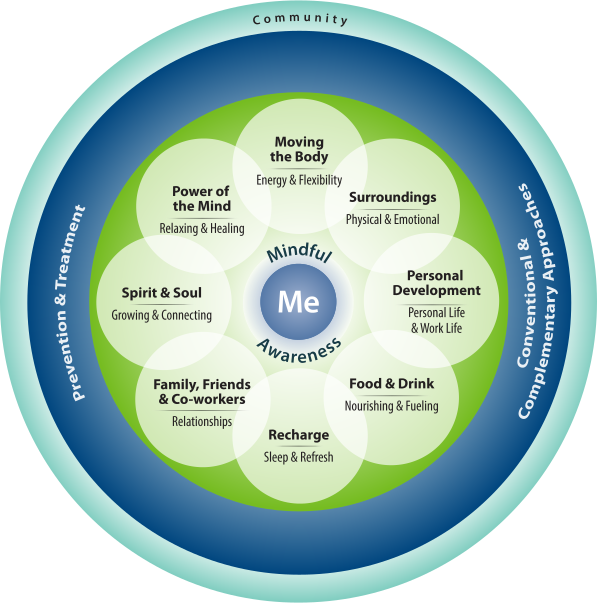
Although the MOVE! program is only available for veterans receiving care at the VA, their website has an abundance of resources freely available to all. Resources include episodes of the Fresh Focus Podcast, which discusses nutrition for veterans; the MOVE!11 Getting Started Questionnaire, which helps summarize one’s current health status; guided recipe videos and cookbooks approved by the VA Nutrition team, and much more. There are also educational resources to learn more about Whole Health’s “Circle of Health” model and testimonies from veterans describing how the MOVE! Program helped guide their weight loss journeys.

Circle of Health

Veteran Testimonials

On the MOVE! program website, people are greeted with hundreds of success stories and testimonials from Veterans that have chosen to share how the program impacted their lives. Dennis Pecorella shared that after years of trying different diet methods, he was matched with a MOVE! program dietician who made nutrition information easier to understand and incorporate into his life. With her help, he was able to create his own sustainable diet plan.

“MOVE! has not only led me to weight loss, but better health overall,” says Pecorella. “I take less medication, try to walk two miles every day, and always eat my vegetables!” 

Peter Johnke’s primary goal in the MOVE! program was to make eating and dieting a more mindful activity. With the help of the MOVE! team, Peter learned to consistently track his food and beverage intake for an entire year and continues to do so. This helped him gain more control over his diet and learn when to best incorporate healthier options. 

“If you are in a place that you need to change…the MOVE! program will help you to help yourself!” says Johnke. “Do your due diligence! Take care of yourself!” 


By Carly Smith, BS, MPH(c) 

This blog is part of our Nutrition newsletter. If you like this content, sign up to receive our monthly newsletter!

So, you want to start meal prepping in 2024? Perhaps this is related to a larger goal to lose weight, eat cleaner, or meet your nutritional goals. To set yourself up for success, you have bought a container for each day of the week and started to plan your week-by-week meals. Maybe you’re planning to make the Sunday morning farmers market and subsequent wash, chop, and prep of your vegetables part of this new-you routine?

Once we begin to break down this resolution, we can see that it is composed of many smaller action steps, which many people may not have the time to do. Busy schedules often do not mix well with New Year’s resolutions that require a lot of time and effort.

Stanford Lifestyle Medicine’s head of the Healthful Nutrition pillar, Marily Oppezzo, PhD, MS shares that you only need to make a few adjustments to your meal prep plans to set you up for success!

“For the New Years’ resolutions, you can have your aspirational goal, but start with the side quests that lead up to that lofty goal in the end,” says Dr. Oppezzo. “Even if your first goal is to eat just one vegetable today, you are learning consistency and making progress. Incorporating one healthy habit a day based on your situation helps you feel successful and see that little accomplishments build up with time.”

3 Meal Prep Tips

“Realistically, not everyone has three hours every Sunday to dedicate to meal prep,” says Dr. Oppezzo, Registered Dietitian with 20+ years of experience in nutritional coaching. “If you have the time, that is great, but I encourage people to always have a back-up plan for when they don’t. Instead of ditching your resolution, rely on pre-cut vegetables, frozen vegetables, and bagged salads and add them wherever you can during the week.”

1. Frozen IS Fresh

Many of us succumb to the belief that frozen fruit and vegetables are not fresh, but oftentimes they are just as fresh, if not more, than those bought in the produce aisle or at the farmer’s market. You may prefer to buy fresh produce, but frozen produce is a great option when trying to make healthy meals in a pinch. Since these fruits and vegetables are frozen and preserved upon harvest, they will still maintain their day-one freshness once cooked.

2. Drawers of Doom

Dr. Oppezzo recommends avoiding the “drawer of doom”, or the drawer in the refrigerator that you toss all your veggies in. It is common to forget about these items once they are discarded into a drawer, especially during a busy morning or when you’re tired after a long day at the office. Instead, Dr. Oppezzo recommends keeping your healthy options on display so that they can help remind you of your nutrition goals. Throw your fruits and veggies into transparent containers and keep them within view on the shelf, rather than the drawer of doom. You can put all your less-than-healthy options in this drawer since you’ll grab for these items anyways.

3. You Know You

Perhaps the most important part of your meal-prep regimen is to be realistic with yourself. You know your schedule, abilities, and preferences the best. Your meal prep practices can adjust to match the time that you have available each week. If you have a free Sunday, you can spend more time preparing your meals for the busy week ahead. If you’re catching up on life on Sunday, perhaps you could opt for making a larger batch of quinoa or brown rice between activities to have on hand throughout the next few days. If you only have time for a quick trip to the grocery store on Sunday, shopping for convenient but still healthy options is just as good of an option if it helps you stick to your nutrition goals.

Dr. Oppezzo recommends grabbing a few microwavable grains and your preferred pre-cut, frozen produce to greatly cut down on cook time. Having these convenient staples can help keep healthy meals a viable option when spending an hour to cook a healthy meal is not realistic. The goal is to make meal prep easy, convenient, and consistent, rather than being overly repetitive or overly strict and giving up by the end of February.

“It is not so much about how psychologically committed you are, but more about what your life is like right now,” says Dr. Oppezzo. “Once you have mapped out your availability, you know how to best adjust your behaviors to keep with your resolutions using the time that you actually have.”


By Carly Smith, BS, MPH(c) 

One of the hardest parts about exercising is finding the motivation to do it. Especially if you’re new to working out, motivation can be fleeting and dependent upon your daily mood or energy level. Even though we know that exercise greatly benefits our health, it may require weeks of effort and dedication before seeing significant results. 

So how do we stay motivated? Stanford Lifestyle Medicine Assistant Director and Exercise Physiology expert, Anne Friedlander, PhD, recommends three ways to incorporate exercise into our daily routine and establish a habit of exercise that remains consistent in the long run. 

Bundle Your Activities

Bundling your activities is a version of multitasking where you combine a pleasurable activity that provides instant gratification with an activity that involves delayed benefits, such as watching your favorite television show or listening to an audiobook on the treadmill. This type of multitasking, also known as “temptation bundling,” is a promising method to create and maintain an exercise habit. When your exercise is combined with a specific tv show, audiobook, or playlist each time, there is the incentive to exercise especially if you only allow yourself to partake in the engaging media while exercising. It creates an association between entertainment and physical activity, which allows you to benefit from exercise in the moment, rather than weeks or months later. 

While this approach may bypass the mind-body connections that exercise can offer, temptation bundling is a great way to create a new exercise habit or get back into a routine. After you’re confident in your ability to maintain your exercise routine, you can let go of the television show and focus on optimizing your mind-body connection while exercising which can enhance the cognitive and mood benefits of exercise. 

Research has been conducted on whether temptation bundling can improve motivation to exercise. In this study, researchers provided free audiobooks during workouts and measured the frequency in which people exercised. The results showed that not only were participants more likely to exercise compared to those not offered the audiobooks, they were more likely to keep up the habit after the study was over. The study also showed that the media needed to be enjoyable to the participants to increase incentive to exercise, meaning when the audiobook covered a topic that was particularly engaging for the participant, their motivation increased. 

So, if you’re having trouble starting or maintaining an exercise program, listen to an interesting audiobook while out on a jog or watch your favorite television show while cycling indoors to get you moving towards your health goals.  

“It is amazing how powerful temptation bundling can be if you find a good story or podcast and you only let yourself listen while doing your physical activity.  You may actually look forward to your next workout!” says Dr. Friedlander. “Eventually physical activity may become its own reward, but in the meantime, lace up your shoes and queue up that mystery thriller.”

Find a Workout Buddy

Working out with a partner, friend, or family member creates a two-way street of accountability and makes you more likely to show up for your goals. While the presence of your workout partner nudges you to stay on your goal, your presence also motivates them to do the same. Skipping a solo workout may require very little thought or work, but skipping a partner workout requires more work and requires you to explain to the other person your reason for skipping. This process helps avoid the fleeting temptations that would deter you from exercising based on mood or energy levels. 

Having someone to match your level of commitment also introduces a link between social connections and physical activity in the creation of a more healthy lifestyle. The pillars of our lives are interconnected, and strong habits often involve behaviors that embrace multiple aspects of our health. 

A workout buddy can be more than someone that helps you stick to your program. They can also be someone to offer and receive encouragement and support, talk about goals,discuss overcoming obstacles, and form memories and relationships. By making the habit a more involved aspect of your social life, you open yourself to broader potential benefits. 

“I am not a morning person, but I have a puppy who loves his playdates,” says Dr. Friedlander. “Every morning at 7 am I meet friends for a walk and puppy playtime. The group definitely helps me get out the door because I don’t want to disappoint either my human or puppy companions”.  

Choose an Exercise You Enjoy Doing

Just because exercise is something that you should do, doesn’t mean that you cannot enjoy it. There is a certain level of discipline that is required to maintain an exercise routine over time, but you will be more motivated to stick to your routine if you like the type of exercise you are doing. If you enjoy team sports, you may enjoy achieving your exercise goals by joining a pickleball league, swim club, or soccer team. Alternatively, you may enjoy attending dance or yoga classes with friends or carving out a specific time in your schedule to lift weights at the gym. Even moderate-to-low intensity exercises, like going out for a walk every night after dinner, is beneficial for your health. 

The best exercise for you is one that you know you will actually show up for time and time again. An added bonus is that you do not have to spend hours exercising to impact your health. The United States Department of Health and Human Services says that no matter the amount of exercise you are able to achieve, most efforts to overcome sedentary lifestyles have a positive impact on all-cause mortality. This means that even incorporating small bouts of moderate-to-vigorous exercises can increase your relative life expectancy. Thus, shifting your focus to do activities that you enjoy and will do daily or weekly may give yourself the best odds for success in the long-run. 

“If you’re having trouble finding motivation, start small,” says Dr. Friedlander. “Following exercise guidelines is optimal, but doing any level of physical activity is better than nothing and can improve your health and mood, especially if kept consistent.”